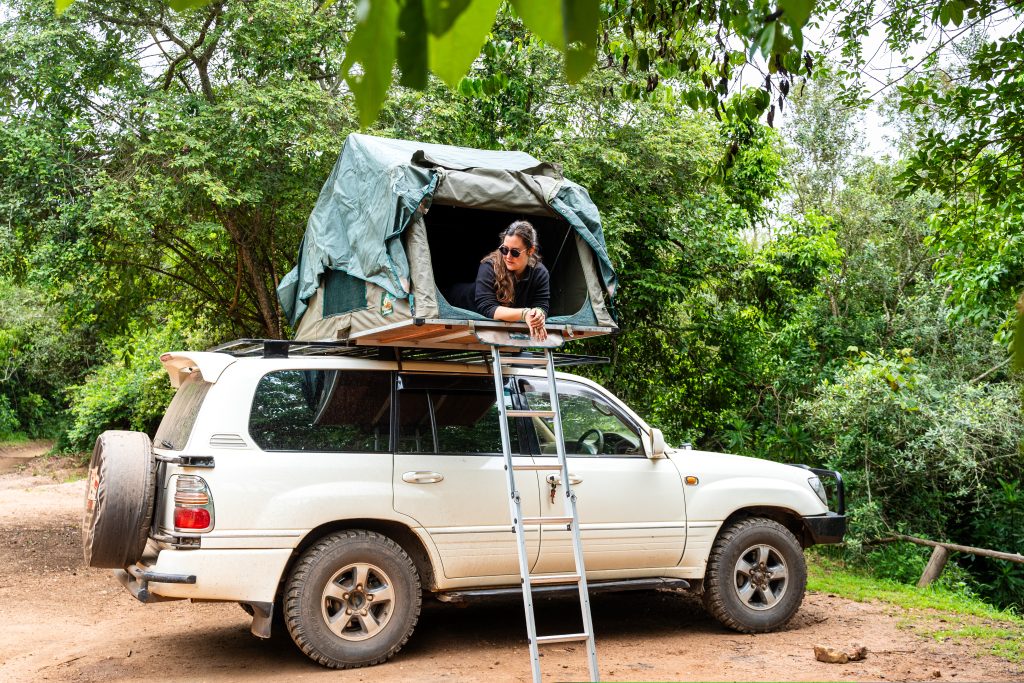
90-Day Self-Drive Safari in East Africa
East Africa is widely considered the world’s premier safari destination, home to the iconic Serengeti, Maasai Mara, Bwindi Impenetrable Forest, and the towering peaks of Mount Kilimanjaro and the Rwenzori Mountains. For the independent traveller with an adventurous spirit, a 90-day self-drive safari across East Africa is not just a trip — it is a life-defining journey that takes you through some of the most spectacular landscapes on earth, brings you face to face with the Big Five and great apes, and immerses you in the warmth of Swahili, Bantu, and Nilotic cultures.
Unlike guided tours, a self-drive safari in East Africa puts you firmly in the driver’s seat — literally and figuratively. You set your own schedule, linger as long as you wish at a lion kill on the Serengeti plains, rise before dawn for gorilla trekking in Uganda’s mist-covered forests, and choose whether to camp under the stars or unwind at a luxurious eco-lodge. A 90-day itinerary allows you to explore four remarkable countries at a pace that honours both the wildlife and your own sense of discovery.
This comprehensive guide covers everything you need to know about planning and executing a 90-day self-drive safari across East Africa: vehicle selection, border crossings, route planning, national park permits, packing lists, safety, budget planning, accommodation options, and detailed day-by-day itineraries. Whether you are a first-time visitor to sub-Saharan Africa or a seasoned overlander, this guide will help you craft the ultimate East Africa road trip.
Overview of the East Africa Self-Drive Safari Route
Countries Covered
A well-planned 90-day East Africa self-drive safari typically encompasses the following four countries:
- Kenya – The heartland of African safari, home to the Maasai Mara, Amboseli, Tsavo, and the Great Rift Valley
- Tanzania – Africa’s largest wildlife sanctuary nation, featuring the Serengeti, Ngorongoro Crater, Selous (Nyerere), and Ruaha
- Uganda – The Pearl of Africa, offering mountain gorilla trekking, chimpanzee tracking, the source of the Nile, and Queen Elizabeth National Park
- Rwanda – The Land of a Thousand Hills, celebrated for gorilla trekking in Volcanoes National Park and the dramatic Virunga landscape
| Pro Tip: Start your journey in Nairobi, Kenya. Kenya’s capital has excellent international flight connections, reputable 4×4 hire companies, and a wealth of overlanding resources. Fly into Jomo Kenyatta International Airport and begin your adventure from there. |
Total Distance and Duration
Across 90 days, a well-paced East Africa self-drive safari will cover approximately 8,000 to 12,000 kilometres of road, depending on your chosen side trips and detours. The itinerary balances driving days with stationary wildlife days to avoid fatigue and maximise game-viewing opportunities.
| Phase | Country | Duration | Key Highlights |
| Phase 1 | Kenya | 28 Days | Maasai Mara, Amboseli, Tsavo, Samburu |
| Phase 2 | Tanzania | 30 Days | Serengeti, Ngorongoro, Tarangire, Zanzibar |
| Phase 3 | Uganda | 20 Days | Gorilla Trekking, Queen Elizabeth NP, Murchison Falls |
| Phase 4 | Rwanda | 12 Days | Volcanoes NP, Nyungwe Forest, Akagera NP |
Best Time for a 90-Day Self-Drive Safari in East Africa
Seasonal Overview
Understanding East Africa’s two dry seasons and two wet seasons is critical for planning a 90-day self-drive safari. The weather patterns vary between countries and altitudes, but the following general guide applies across Kenya, Tanzania, Uganda, and Rwanda.
| Season | Months | Conditions | Safari Verdict |
| Long Dry Season | June – October | Clear skies, low vegetation, excellent visibility | Best for Kenya & Tanzania |
| Short Dry Season | January – February | Warm and dry, calving season in Serengeti | Excellent for all countries |
| Long Rains | March – May | Heavy rainfall, some roads impassable | Budget travel; fewer tourists |
| Short Rains | November – December | Intermittent showers, lush green landscapes | Good birding, discounted rates |
Optimal 90-Day Window
The most popular and highly recommended window for a 90-day East Africa self-drive safari is from late June through September. This period coincides with the peak dry season, the Great Migration in the Serengeti and Maasai Mara (July–October), and excellent road conditions across most destinations. Gorilla trekking in Uganda and Rwanda is possible year-round, but June–August and December–February are considered the most comfortable months.
For travellers willing to experience the green season, the period from November to December offers a visually stunning East Africa with lush landscapes, migratory bird arrivals, and significantly reduced tourist numbers. Road conditions can be challenging in some areas, but a capable 4×4 vehicle will handle most routes.
Vehicle Selection for an East Africa Self-Drive Safari
Why You Need a 4×4
A reliable four-wheel-drive (4×4) vehicle is absolutely non-negotiable for a 90-day self-drive safari across East Africa. While some park roads in Kenya and Tanzania are passable in a 2WD saloon during the dry season, the majority of routes — including forest tracks in Uganda and Rwanda, volcanic slopes, and dry riverbeds — demand high ground clearance, low-range gearboxes, and robust off-road capability.
The most popular self-drive safari vehicles in East Africa are the Toyota Land Cruiser (Series 70, 76, 78, and 79), the Toyota Land Cruiser Prado, and the Toyota Hilux Double Cab. These vehicles are preferred because spare parts are widely available across all four countries, local mechanics are familiar with their mechanics, and they are robust enough for demanding terrain.
Hiring vs. Buying
For a 90-day trip, you have two main options: hiring a vehicle from a reputable 4×4 rental company in Nairobi, or purchasing a secondhand vehicle and reselling it at the end of your journey. Each approach has distinct advantages and disadvantages.
- Hiring: Ideal for most visitors; no ownership hassle, vehicles are usually well-maintained and include roadside assistance; more expensive upfront but lower risk
- Buying: Cost-effective for extended trips over 60 days; gives complete flexibility but requires knowledge of vehicle mechanics, Kenyan registration processes, and resale logistics
- Hiring with driver-guide: Recommended for first-timers; the driver handles logistics while you focus on photography and game-viewing
Essential Vehicle Equipment
Regardless of whether you hire or buy, ensure your safari vehicle is equipped with the following essentials before departing:
- High-lift jack and base plate
- Two full-size spare tyres (not space-saver spares)
- Comprehensive tool kit including tyre repair plugs and puncture kit
- Tow rope and recovery straps
- Jerry cans — minimum 40 litres extra fuel capacity
- Water container — minimum 20 litres potable water
- Roof tent or rooftop camping setup if overlanding
- First aid kit and satellite communication device
- Portable GPS device and updated offline maps (Maps.Me or Gaia GPS)
- Portable compressor for tyre inflation
- Fire extinguisher
| Important: Fuel stations can be scarce in remote parks and border regions. Always refuel at every opportunity. In Uganda’s Bwindi Forest area and Tanzania’s southern circuit parks (Ruaha, Selous), distances between fuel stations can exceed 200 km. |
Required Documents and Permits
International Driving Permit (IDP)
All foreign drivers are required to carry an International Driving Permit (IDP) in addition to their home country driving licence. IDPs are issued by automobile associations in your home country (e.g., AA, RAC, AAA) and are valid for 12 months. Some car hire companies in Nairobi also accept foreign driving licences directly, but an IDP eliminates potential issues at police checkpoints and border crossings.
East Africa Tourist Visa (EAV)
Citizens of many countries can obtain the East Africa Tourist Visa — a single visa valid for entry into Kenya, Uganda, and Rwanda — on arrival or online. This multi-country visa is extremely convenient for self-drive safari travellers and costs USD 100 as of 2025. Tanzania operates a separate visa system; you will need to purchase a Tanzanian visa separately, either in advance online through the e-visa portal or on arrival at land border crossings.
| Country | Visa Type | Cost (USD) | Where to Apply |
| Kenya | EAV or single entry | $50 / $100 (EAV) | evisa.go.ke |
| Uganda | EAV or single entry | $50 / $100 (EAV) | visas.immigration.go.ug |
| Tanzania | Single entry e-Visa | $50 | eservices.immigration.go.tz |
| Rwanda | EAV or visa on arrival | $30 / $100 (EAV) | irembo.gov.rw |
Carnet de Passages en Douane (CPD)
If you are bringing your own vehicle across international borders in East Africa, you will need a Carnet de Passages en Douane — a customs document that guarantees your vehicle will be re-exported from each country you enter. Rental vehicles from established companies typically come with the necessary border documents, often called a Temporary Import Permit (TIP). Confirm with your hire company before departure.
National Park Permits and Fees
National park entry fees in East Africa are paid in US Dollars (or local currency equivalent) and must be paid at each park gate. Most parks now require advance online booking for gorilla and chimpanzee trekking permits. Below is a guide to the most significant permit fees as of 2025.
| Activity/Park | Country | Permit Fee (USD) | Notes |
| Gorilla Trekking | Uganda | $700/person | Advance booking essential |
| Gorilla Trekking | Rwanda | $1,500/person | Volcanoes NP; premium experience |
| Chimpanzee Trekking | Uganda | $200/person | Kibale Forest NP |
| Maasai Mara (non-resident) | Kenya | $80/person/day | Higher rates peak season |
| Serengeti (non-resident) | Tanzania | $82/person/day | Park entry only |
| Ngorongoro Crater | Tanzania | $295/vehicle + $82/person | Crater entry fee |
| Bwindi Impenetrable NP | Uganda | $700/person | Gorilla permit |
| Queen Elizabeth NP | Uganda | $45/person/day | Includes boat cruises |
Detailed 90-Day Itinerary
Phase 1: Kenya — Days 1 to 28
Days 1–3: Nairobi — Acclimatise and Prepare
Nairobi is the logical starting point for your East Africa self-drive safari. Spend the first two to three days acclimatising to the East African timezone, collecting your hire vehicle, stocking up on supplies from Nairobi’s excellent supermarkets (Carrefour, Naivas, and Chandarana), and visiting the Nairobi National Park — the world’s only national park located within a capital city. The park is an easy 7 km from the city centre and offers reliable sightings of lions, rhinos, giraffes, and cape buffalo against the backdrop of Nairobi’s skyline.
Nairobi also serves as the ideal base for obtaining travel insurance, any last-minute camping gear from outdoor shops along Biashara Street, and connecting with the online overlanding community through platforms like Overland Africa Forum and iOverlander for real-time road condition updates.
Days 4–10: Maasai Mara National Reserve
The Maasai Mara requires no introduction. One of the most famous wildlife reserves on earth, the Mara is the Kenyan extension of Tanzania’s Serengeti ecosystem and hosts the greatest wildlife spectacle on the planet — the Great Migration of over 1.5 million wildebeest, zebra, and Thomson’s gazelle. From July through October, the Mara River crossings are among the most dramatic natural events you will ever witness.
Drive southwest from Nairobi on the B3 highway through Narok town (approximately 270 km, 4-5 hours). The reserve has multiple entry gates; the Sekenani Gate is the most commonly used for self-drivers. Inside the reserve, the terrain is open savanna grassland and riverine forest along the Mara and Talek rivers. Key areas to explore include the Triangle (for migration crossings), Musiara Marsh (for hippos and big cats), and the central plains for cheetah sightings.
- Accommodation: Sekenani Camp, Mara Bush Camp, or Talek Budget Campsite for self-catering
- Self-drive highlights: Morning game drives at 6:30 AM; evening golden-hour drives; full-day drives with a packed lunch
- Distance from Nairobi: 270 km via Narok
Days 11–15: Amboseli National Park
Leave the Mara and drive southeast to Amboseli National Park — Kenya’s second most famous reserve and home to the largest free-ranging elephant population in Africa. Located at the foot of Mount Kilimanjaro, Amboseli offers extraordinary photographic opportunities: massive bull elephants with snowy Kilimanjaro as a backdrop on clear mornings.
The route from Maasai Mara to Amboseli takes you through the scenic Rift Valley and past Lake Magadi (approximately 5 hours). Amboseli’s Observation Hill provides the best panoramic views of the swamps, wildlife corridors, and — on clear days — Kilimanjaro. Key wildlife includes elephant (the largest tuskers in Kenya), lion, cheetah, hyena, buffalo, and over 600 bird species.
Days 16–20: Tsavo West and Tsavo East National Parks
The twin Tsavo parks together form the largest national park ecosystem in Kenya, covering over 20,000 square kilometres. Tsavo West features the famous Mzima Springs — crystal-clear springs fed by volcanic rock where you can watch hippos and crocodiles through an underwater viewing tank — as well as the Shetani Lava Flow and Ngulia Rhino Sanctuary. Tsavo East is characterised by the red dust of the Yatta Plateau and the Galana River, where large herds of dust-red elephants are iconic sights.
Days 21–28: Samburu National Reserve and Laikipia Plateau
Drive north from Nairobi towards Samburu National Reserve — a drier, semi-arid landscape that supports endemic species found nowhere else in Kenya. These include the Grevy’s zebra, reticulated giraffe, Beisa oryx, Somali ostrich, and the gerenuk. The Ewaso Nyiro River runs through the reserve, attracting extraordinary concentrations of wildlife to its banks.
From Samburu, the Laikipia Plateau to the west is one of Africa’s most important conservation landscapes, home to the highest density of lions and wild dogs outside Tanzania. Private conservancies such as Ol Pejeta, Lewa Wildlife Conservancy, and Borana offer premium self-drive experiences with rhino sightings guaranteed.
Phase 2: Tanzania — Days 29 to 58
Days 29–32: Crossing Into Tanzania — Namanga Border
The Namanga border crossing between Kenya and Tanzania is the most frequently used by self-drive safari travellers. It is located approximately 165 km south of Nairobi and is generally efficient, typically processing vehicles within 1–3 hours. Ensure your vehicle documentation, Tanzanian e-visa, and temporary import permit are in order before arrival.
From Namanga, drive south to Arusha — the gateway city to Tanzania’s Northern Circuit. Arusha is a vibrant and well-stocked town where you can restock supplies, change currency, and arrange any final permits for Serengeti and Ngorongoro. The Mount Meru Hotel and Arusha Coffee Lodge are excellent overnight options.
Days 33–40: Serengeti National Park
The Serengeti is the crown jewel of African safari destinations — a vast, ancient ecosystem of 14,750 square kilometres of seemingly endless plains. The name ‘Serengeti’ derives from the Maasai word ‘Siringet’, meaning ‘the place where the land moves on forever’, and as you stand on the Seronera plains watching a pride of 20 lions against a fiery sunset, you will understand exactly why.
Self-driving in the Serengeti requires careful navigation using paper maps and offline GPS. The roads are divided into primary (well-graded murram tracks) and secondary (rougher game tracks) roads. The Seronera Valley in the central Serengeti is the most accessible and productive area for year-round wildlife. The western corridor is best from May to July during the migration. The northern Serengeti (Kogatende and Lamai) is prime territory from August to October for Mara River crossings.
- Must-see zones: Seronera Valley (year-round cats), Western Corridor (migration river crossings, May–July), Northern Serengeti (Mara River crossings, Aug–Oct)
- Recommended nights: 5–8 nights minimum
- Self-drive camping: Seronera Public Campsite, Lobo Public Campsite, Kogatende Campsite
Days 41–45: Ngorongoro Conservation Area
The Ngorongoro Crater is the world’s largest intact volcanic caldera and arguably the most wildlife-dense ecosystem on earth. Descend the 600-metre crater wall into a 260-square-kilometre sanctuary where black rhinoceros, elephant, leopard, lion, spotted hyena, cape buffalo, hippos, flamingos, and wildebeest roam in extraordinary concentrations. A full crater day — entering at 6 AM and exiting by 6 PM — is among the greatest wildlife experiences anywhere on earth.
The Ngorongoro Conservation Area also includes the Olduvai Gorge — the ‘Cradle of Mankind’ — where the Leakey family uncovered some of the earliest known Homo habilis fossils, dating back 1.8 million years. A visit to the Olduvai Museum is a profound and humbling experience that perfectly complements the wildlife spectacle.
Days 46–52: Tarangire National Park and Lake Manyara
Tarangire National Park is one of Tanzania’s most underrated destinations, offering massive herds of elephants (numbers exceeding 3,000 during the dry season), ancient baobab trees estimated at over 1,000 years old, and exceptional birdlife including the yellow-collared lovebird and Ashy starling. The Tarangire River acts as a magnet for wildlife during the dry months, making game drives along the riverbanks consistently spectacular.
Lake Manyara National Park, though small at just 330 square kilometres, packs an extraordinary diversity of habitats into a compact area: alkaline lake with flamingo flocks numbering in the thousands, groundwater forest, acacia woodland, and open floodplains. Manyara is famous for its tree-climbing lions — a behaviour observed nowhere else in East Africa at this consistency.
Days 53–58: Zanzibar and Coastal Tanzania
After three weeks of intensive game driving, reward yourself with a transit to Zanzibar — the spice island jewel of the Indian Ocean. Zanzibar is accessible from Dar es Salaam by fast ferry (approximately 2 hours) or from Arusha and other mainland cities by short-haul flight. Park your vehicle securely in Dar es Salaam or Arusha while you explore the island.
Stone Town, Zanzibar’s UNESCO World Heritage-listed historic centre, is a maze of narrow coral stone alleyways, carved Swahili doors, Arab trading houses, and colourful markets. The northern beaches — particularly Nungwi and Kendwa — offer powder-white sand, transparent turquoise water, and excellent snorkelling over coral reefs.
Phase 3: Uganda — Days 59 to 78
Days 59–62: Crossing Into Uganda — Malaba or Busia Border
Re-enter Kenya from Tanzania via the Namanga border and drive north and west towards Uganda. The two main border crossings into Uganda are Malaba (on the A104 road from Nairobi) and Busia (slightly south). Both crossings are generally manageable for self-drive safari travellers, though Malaba can be busy with truck traffic. Aim to cross borders during business hours (8 AM – 5 PM) for smoother processing.
From the border, it is approximately 350 km to Kampala — Uganda’s chaotic, vibrant, and endlessly fascinating capital. Spend one to two nights in Kampala, explore the Kasubi Tombs (a UNESCO World Heritage Site and burial ground of Buganda kings), and stock up on Ugandan Shillings, park permits, and supplies before heading south-west into the heart of Uganda.
Days 63–67: Queen Elizabeth National Park
Queen Elizabeth National Park is Uganda’s most popular safari destination and a superb introduction to Uganda’s extraordinary biodiversity. The park straddles the Equator and encompasses savanna grassland, crater lakes, rainforest fragments, and the shores of Lake Edward and Lake George. Wildlife includes lion, leopard, elephant, buffalo, hippo, giant forest hog, and over 600 bird species — making it one of Africa’s top birding destinations.
The Kazinga Channel boat cruise is an unmissable highlight: a three-hour afternoon cruise along a natural channel connecting Lakes George and Edward, past enormous hippopotamus pods, Nile crocodiles, and thousands of water birds including African skimmer, goliath heron, and pink-backed pelican. The Ishasha sector in the south of the park is world-famous for tree-climbing lions, a mesmerising sight unique to this region and the Serengeti.
Days 68–72: Bwindi Impenetrable Forest — Mountain Gorilla Trekking
Few wildlife experiences on earth can rival the profound, deeply moving encounter of sitting metres away from a habituated family of mountain gorillas in Bwindi Impenetrable Forest National Park. One of Africa’s most important biodiversity hotspots, Bwindi is a primeval montane rainforest draped across steep volcanic ridges in south-western Uganda and is home to approximately half of the world’s remaining mountain gorilla population — roughly 460 individuals.
Gorilla treks depart each morning at 8 AM from assigned sector ranger stations (Buhoma, Rushaga, Nkuringo, or Ruhija). The trek can range from 30 minutes to 8 hours depending on the gorillas’ location, through dense forest, steep terrain, and mud — making physical fitness and appropriate clothing essential. Once located, you are granted exactly one hour with the gorilla family, observing their complex social interactions, mother-infant bonds, and the commanding presence of the silverback.
| Booking Gorilla Permits: Uganda Wildlife Authority (UWA) gorilla permits must be booked months in advance, especially for high season (July–September and December–February). Permits cost USD 700 per person and can be booked online at ugandawildlife.org. Do not attempt to visit Bwindi without a confirmed permit. |
Days 73–78: Kibale Forest and Murchison Falls
Kibale National Park is home to the world’s largest population of chimpanzees and offers the best chimp trekking experience in Africa. The Kanyanchu Visitor Centre runs habituation treks and standard tracking experiences twice daily. A half-day trek through Kibale’s lush forest, listening for the distinctive pant-hoot calls of chimpanzees and following researchers as they locate chimp communities, is an extraordinary wildlife experience.
From Kibale, drive north to Murchison Falls National Park — Uganda’s largest national park and home to the most powerful waterfall on the Nile. The Nile squeezes through a 7-metre-wide gap in the rock to create a thunderous, spray-filled plunge of 43 metres. The boat cruise from Paraa up to the base of the falls is one of the great river journeys of Africa, passing crocodile-lined banks, elephant herds drinking at the river, and spectacular birdlife.
Phase 4: Rwanda — Days 79 to 90
Days 79–82: Crossing Into Rwanda — Cyanika or Katuna Border
From Uganda’s Kisoro district near Bwindi, the Cyanika border crossing into Rwanda is just 30 km away, making it the most convenient entry point for self-drive travellers completing a gorilla circuit. The crossing is typically smooth and takes 1–2 hours. Alternatively, the Katuna/Gatuna border between Kabale (Uganda) and Gatuna (Rwanda) on the main Kampala–Kigali highway is the most frequently used crossing by road travellers.
From the border, drive south to Kigali — one of Africa’s most organised, clean, and surprisingly modern capital cities. Spend one night exploring the Kigali Genocide Memorial, a haunting and essential visit that provides vital context to Rwanda’s remarkable transformation, and the vibrant Kimironko Market, where local artisans sell colourful imigongo (cow-dung geometric art) and woven baskets.
Days 83–87: Volcanoes National Park — Gorilla and Golden Monkey Trekking
Rwanda’s Volcanoes National Park offers arguably the most celebrated mountain gorilla trekking experience in the world. The park protects the Virunga Massif — a chain of six dormant volcanoes (Karisimbi, Bisoke, Sabyinyo, Gahinga, Muhabura, and Mikeno) straddling the borders of Rwanda, Uganda, and the DRC — and is the ancestral ground where primatologist Dian Fossey lived, researched, and was ultimately killed while protecting gorillas from poachers.
Rwanda’s gorilla trekking permits are priced at USD 1,500 per person — the highest in the region — and this pricing strategy is deliberately designed to limit visitor numbers and maximise conservation revenue. The experience is justifiably considered one of the world’s premier wildlife encounters. In addition to gorillas, the park offers golden monkey trekking at the base of Mount Bisoke, a distinctive and playful primate found only in the Virunga ecosystem.
Days 88–90: Nyungwe Forest and Akagera National Park
Nyungwe Forest National Park in south-western Rwanda is one of Africa’s oldest and most biodiverse tropical rainforests. The park is home to 13 species of primate including chimpanzees and the habituated Angola colobus monkey group — a colony of over 400 individuals that can be tracked on guided canopy walks above the forest. The park’s canopy walkway, suspended over 50 metres above the forest floor, is one of the most thrilling nature walks in Africa.
Conclude your extraordinary 90-day East Africa self-drive safari with a visit to Akagera National Park — Rwanda’s only savanna game reserve, recently restocked with lions and black rhinos with tremendous conservation success. The park borders Tanzania’s Kagera region and features a stunning chain of Rift Valley lakes. A final boat cruise on Lake Ihema, spotting hippos, crocodiles, and thousands of waterbirds, provides a fitting, peaceful conclusion to three months of wildlife adventure.
6. Budget Planning for a 90-Day East Africa Self-Drive Safari
6.1 Overall Budget Estimate
A 90-day self-drive safari across East Africa represents a significant financial commitment but offers unparalleled value compared to guided group tours of equivalent duration. Below is a realistic mid-range budget estimate per person for two travellers sharing a vehicle and camping accommodation.
| Expense Category | Estimated Cost (USD) | Notes |
| Vehicle Hire (4×4 Land Cruiser) | $3,500 – $6,000 | Based on 90-day rental from Nairobi |
| Fuel (approx. 10,000 km at 12L/100km) | $1,500 – $2,500 | Diesel prices vary by country |
| National Park Fees (per person) | $2,000 – $3,500 | Varies significantly by parks visited |
| Gorilla/Chimp Permits (Uganda + Rwanda) | $900 – $2,200 | Per person; Rwanda premium pricing |
| Accommodation (camping to budget lodge) | $800 – $2,500 | Per person over 90 days |
| Food and Groceries | $600 – $1,200 | Mix of self-catering and restaurants |
| Visas (Kenya EAV + Tanzania + Rwanda) | $180 | East Africa Tourist Visa |
| Travel Insurance (90 days) | $300 – $600 | Essential; include medical evacuation |
| Miscellaneous and Emergencies | $500 – $1,000 | Vehicle repairs, tips, souvenirs |
| TOTAL (per person) | $10,280 – $19,680 | Mid-range estimate for two sharing |
| Budget Tip: The single most effective way to reduce costs is to camp as much as possible. Most national parks have public campsites ranging from USD 20 to USD 50 per night. Combining camping with occasional budget lodge nights reduces accommodation costs significantly while maintaining the immersive safari experience. |
Accommodation Options Across East Africa
Types of Accommodation
East Africa offers an extraordinary range of accommodation options, from ultra-luxury tented camps to basic public campsites. For a 90-day self-drive safari, a flexible approach — combining camping with periodic lodge stays — is both practical and enjoyable.
- Public Campsites: The most affordable option; found in most national parks; basic facilities (pit latrines, occasionally shared bathrooms)
- Special Campsites: Private campsites reserved exclusively for your group; often in stunning bush settings; booking required in advance
- Budget Tented Camps: Semi-permanent tented accommodation with beds, en-suite facilities, and meals; USD 80–150 per person per night
- Mid-Range Safari Lodges: Comfortable lodge accommodation with restaurant, bar, and guided activities; USD 150–350 per person per night
- Luxury Tented Camps: Premium canvas suites with private plunge pools, butler service, and gourmet dining; USD 500–1,500 per person per night
- Guesthouses and B&Bs: Excellent value in towns and cities; USD 20–60 per night
Recommended Accommodation by Destination
| Destination | Budget Option | Mid-Range Option |
| Maasai Mara, Kenya | Talek Budget Camp | Mara Ngenche Safari Camp |
| Serengeti, Tanzania | Seronera Public Campsite | Serengeti Serena Safari Lodge |
| Ngorongoro, Tanzania | Simba Campsite (NCA) | Neptune Ngorongoro Lodge |
| Bwindi, Uganda | Buhoma Community Campsite | Buhoma Lodge |
| Queen Elizabeth, Uganda | Mweya Hippo Hill Campsite | Mweya Safari Lodge |
| Volcanoes NP, Rwanda | Mountain Gorilla View Lodge | Sabyinyo Silverback Lodge |
| Akagera, Rwanda | Akagera Campsite | Ruzizi Tented Lodge |
Safety on an East Africa Self-Drive Safari
Road Safety
Road safety is the most significant risk factor for self-drive safari travellers in East Africa. Traffic fatalities are high across the region, particularly on the main highways of Kenya and Tanzania. The following road safety guidelines are essential for all self-drive safari travellers.
- Never drive after dark: Wildlife on roads, unfenced animals, potholes, and other vehicles without functioning lights make night driving extremely dangerous
- Allow generous travel time: Distances on Google Maps consistently underestimate actual driving time on African roads; a 200 km journey may take 4–6 hours
- Slow down for speed bumps: East Africa has thousands of unmarked or poorly lit speed bumps (called ‘sleeping policemen’) in towns and villages
- Hire a local driver-guide for complex routes: Particularly in Uganda’s remote national parks and Rwanda’s mountain roads
- Purchase comprehensive vehicle insurance: Including third-party liability in all countries you enter
Wildlife Safety
Inside national parks, wildlife encounters are managed but the animals remain wild and potentially dangerous. Observe the following rules strictly:
- Never exit your vehicle in open game areas except at designated viewpoints and picnic sites
- Keep a minimum distance of 30 metres from elephants and 20 metres from lions
- Do not feed any wild animals under any circumstances
- Keep windows up when photographing predators at close range
- During gorilla and chimpanzee treks, follow ranger instructions precisely
Health Precautions
Consult a travel medicine specialist or tropical disease specialist at least 6–8 weeks before departure. Essential health precautions for East Africa include:
- Malaria prophylaxis: Consult your doctor for appropriate prescription (Malarone, Doxycycline, or Lariam)
- Yellow Fever vaccination: Mandatory for entry into Uganda and recommended for all four countries
- Travel vaccinations: Hepatitis A and B, Typhoid, Tetanus, Meningococcal
- Comprehensive travel insurance: Including medical evacuation coverage of at least USD 500,000
- Altitude awareness: Volcanoes NP (Rwanda) and Bwindi (Uganda) are above 2,000 m; acclimatise before gorilla treks
Essential Packing List for 90 Days in East Africa
Clothing
- Neutral-coloured clothing (khaki, olive, beige, brown): Bright colours disturb wildlife and attract tsetse flies
- 3–4 lightweight long-sleeved shirts and 2–3 short-sleeved shirts
- 2–3 pairs of lightweight convertible trousers (zip-off style)
- 1 pair of smart casual clothes for city stays and lodges
- Warm fleece and windproof jacket: Essential for early morning game drives and mountain treks
- Rain poncho or lightweight waterproof jacket
- Wide-brimmed hat and UV-protective buff/neck gaiter
- Good-quality hiking boots (broken in): Essential for gorilla and chimpanzee trekking
- Comfortable camp sandals
- 3–4 pairs of quality merino wool hiking socks
- Lightweight gaiters: For protection during gorilla treks in Bwindi and Volcanoes NP
Photography Equipment
- DSLR or mirrorless camera with a telephoto lens (minimum 400mm equivalent for wildlife)
- Wide-angle lens for landscapes and night photography
- Minimum 2 camera bodies if possible (dust and humidity are challenging)
- Multiple high-capacity memory cards
- Camera cleaning kit and silica gel desiccant pouches
- Bean bag for vehicle window photography — superior to tripods for safari vehicles
- External hard drives for image backup
- Solar charger and power bank — essential in remote areas without reliable electricity
- GoPro or action camera for in-vehicle footage
Cultural Etiquette and Responsible Safari Tourism
Respecting Local Communities
A self-drive safari across East Africa is also a profound cultural journey. The countries you traverse are home to hundreds of distinct ethnic groups, languages, and traditions — from the Maasai pastoralists of Kenya and Tanzania, to the Batwa forest-dwelling communities of Uganda and Rwanda, to the Bantu-speaking farmers of the Great Lakes region. Approaching every interaction with cultural humility, respect, and genuine curiosity will enrich your experience immeasurably.
- Learn basic greetings in Swahili (widely spoken in Kenya, Tanzania, and Uganda), Kinyarwanda (Rwanda), and Luganda (Uganda central region). Even simple phrases like ‘Habari?’ (Swahili for ‘How are you?’) or ‘Muraho’ (Kinyarwanda) generate genuine warmth.
- Ask permission before photographing individuals; offer a genuine gesture of appreciation rather than a transactional payment
- Support community-run tourism enterprises: community campsites, cultural village tours, and craft cooperatives
- Avoid purchasing wildlife products (ivory, tortoiseshell, live animals) under any circumstances
Environmental Responsibility
The extraordinary wildlife you will encounter during your 90-day safari depends on healthy ecosystems maintained through responsible tourism. Adhere to the following environmental principles throughout your journey.
- Leave No Trace: Pack out all waste; never leave food, plastic, or non-biodegradable items in parks or in the bush
- Stay on designated tracks: Off-road driving damages fragile ecosystems and disturbs wildlife
- Minimise plastic: Bring reusable water bottles and filter systems (LifeStraw, Sawyer Squeeze) to reduce plastic bottle waste
- Support conservation-linked lodges and camps: Organisations affiliated with AWF, WCS, or WWF partner lodges channel tourism revenue directly to wildlife conservation
- Carbon offset your trip: East Africa’s declining forest cover makes carbon offsetting particularly meaningful here
Connectivity, Navigation, and Communication
SIM Cards and Mobile Data
Mobile connectivity has improved dramatically across East Africa. In Kenya, Tanzania, and Uganda, purchase local SIM cards from the major networks upon arrival. Safaricom (Kenya), Airtel (Tanzania, Uganda, Rwanda), and MTN (Uganda, Rwanda) provide the best rural coverage. Data bundles are affordable and fast in urban areas but coverage can be patchy in remote national parks.
Purchase a SIM card in each country you enter, as roaming charges are prohibitive. In Rwanda, Rwanda’s network infrastructure is particularly impressive, with 4G coverage reaching many rural areas. Budget approximately USD 20–30 per country for a local SIM with a generous data bundle.
Offline Navigation
Do not rely on a live internet connection for in-park navigation. Download offline maps for all four countries before departure using Maps.Me, Gaia GPS, or OsmAnd. The iOverlander app provides invaluable crowdsourced data on campsites, border crossings, fuel stations, and road conditions contributed by fellow overlanders in real time.
Satellite Communication
For extended remote travel — particularly in Tanzania’s southern circuit parks, Uganda’s Kidepo Valley, or Rwanda’s Nyungwe Forest — a satellite communicator provides critical backup communications. The Garmin inReach Mini 2 allows two-way text messaging via satellite and SOS activation anywhere on earth and is highly recommended for 90-day East Africa self-drive safari travellers.
Border Crossings: A Practical Guide
Key Land Border Crossings
| Border Crossing | Countries | Hours | Notes |
| Namanga | Kenya – Tanzania | 24 hours | Busiest crossing; efficient; USD cash recommended |
| Isebania/Sirare | Kenya – Tanzania | 7 AM – 6 PM | Western corridor crossing to Mwanza |
| Malaba | Kenya – Uganda | 24 hours | Busy truck crossing; allow 2–3 hours |
| Busia | Kenya – Uganda | 24 hours | Quieter alternative to Malaba |
| Mutukula | Uganda – Tanzania | 8 AM – 5 PM | Used for Lake Victoria circuits |
| Cyanika | Uganda – Rwanda | 7 AM – 6 PM | Best for Bwindi–Volcanoes NP circuit |
| Katuna/Gatuna | Uganda – Rwanda | 24 hours | Main highway crossing; fastest |
Tips for Smooth Border Crossings
- Carry sufficient USD cash: Border fees, temporary import permits, and road taxes are often payable in USD cash only
- Have all documents in a single organised folder: Passport, IDP, vehicle documents, insurance, CPD or TIP
- Cross during daylight hours: Morning crossings (8 AM – 11 AM) are generally fastest, before truck queues build up
- Be patient and courteous: African borders operate at their own pace; frustration achieves nothing
- Pre-complete forms: Many border crossings have downloadable arrival/departure forms; completing these in advance saves significant time
- Avoid unofficial ‘helpers’ who approach vehicles at border crossings and offer to expedite paperwork for a fee — they are rarely necessary and sometimes dishonest
Conclusion: The Journey of a Lifetime Awaits
A 90-day self-drive safari across East Africa is more than a holiday — it is a profound, transformative encounter with the natural world at its most spectacular, with ancient cultures that have coexisted with wildlife for millennia, and with landscapes that will alter your sense of what is possible on this extraordinary planet.
From the thundering wildebeest crossings of the Maasai Mara and Serengeti, to the quiet, humbling intimacy of sitting with mountain gorillas in Bwindi’s mist-wrapped forest; from the crater floor of Ngorongoro teeming with life, to the red volcanic soil roads of Rwanda’s Virunga volcanoes — every single day of your three-month journey will offer something you have never seen, felt, or imagined before.
The logistics are manageable with thorough preparation, the roads are navigable with the right vehicle and mindset, the wildlife is astonishing beyond description, and the people of Kenya, Tanzania, Uganda, and Rwanda are among the most welcoming and warm-hearted you will encounter anywhere on earth.
Plan carefully, drive safely, book permits early, travel with curiosity and respect — and prepare for the greatest adventure of your life.