
60-Day Self-Drive Safari Itinerary Uganda, Rwanda, Tanzania & Kenya
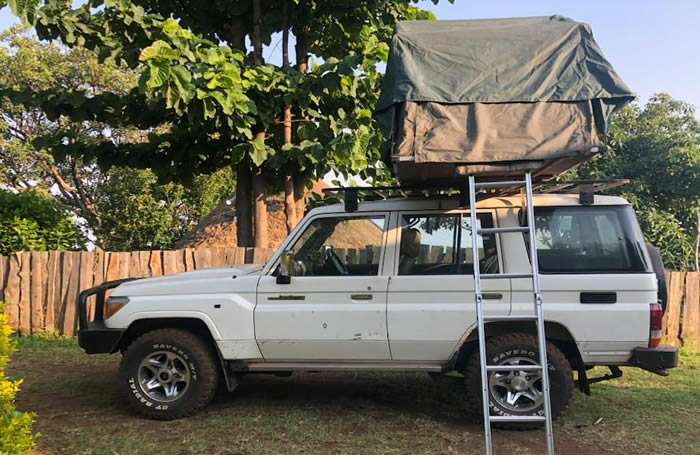
This 60-Day Self-Drive Safari Itinerary Uganda, Rwanda, Tanzania & Kenya is one of the most ambitious and rewarding road trips in Africa, covering the four crown-jewel safari nations of East Africa: Uganda, Rwanda, Tanzania, and Kenya. Starting and ending in Kampala/Entebbe, this circular route is designed to be driven in your own 4WD vehicle — ideally a high-clearance SUV or Land Cruiser with a rooftop tent for flexibility.
The itinerary is carefully sequenced to follow logical driving routes, minimize backtracking, hit the best wildlife seasons, and balance adventure with rest. You will witness mountain gorillas in the misty jungles, the thundering Murchison Falls, the dense savannah of the Serengeti, the pink flamingo lakes of the Great Rift Valley, and the iconic wildebeest migration — all while driving yourself through landscapes that few tourists ever truly explore.
| Key Safari Statistics |
| Total Distance: Approximately 6,500–7,500 km of driving |
| Countries Visited: Uganda, Rwanda, Tanzania, Kenya |
| National Parks: 20+ parks and reserves |
| Primate Trekking: Mountain gorillas, golden monkeys, chimpanzees |
| Big 5 Opportunities: Multiple parks in Tanzania and Kenya |
| Best Time: June–October (dry season, best wildlife, migration peak) |
| Vehicle Required: 4WD high-clearance with spare tyre, tools, rooftop tent optional |
60-Day Route Summary
The table below provides a complete overview of all 60 days, including locations, key highlights, driving durations, and country:
| Days | Location | Highlights | Drive (hrs) | Country |
| 1–4 | Kampala & Entebbe | Arrival, city tour, Uganda Museum, Ngamba Island, Mabamba Wetland (Shoebill) | City | Uganda |
| 5–7 | Ziwa Rhino Sanctuary & Murchison Falls | Rhino tracking, Budongo Forest, Murchison Falls hike, boat to falls | 4–5 hrs | Uganda |
| 8–10 | Murchison Falls NP | Game drives (lion, elephant, giraffe), Nile boat cruise, fishing | In park | Uganda |
| 11–12 | Kibale Forest NP | Chimpanzee trekking, forest walk, primate diversity | 5–6 hrs | Uganda |
| 13–14 | Queen Elizabeth NP (North) | Kazinga Channel boat cruise, tree-climbing lions, elephant | 2–3 hrs | Uganda |
| 15–16 | Bwindi Impenetrable NP | Mountain gorilla trekking (permit required), Batwa cultural experience | 3–4 hrs | Uganda |
| 17–18 | Lake Bunyonyi | Scenic lake paddling, cultural villages, relaxation, birdwatching | 1–2 hrs | Uganda |
| 19–20 | Volcanoes NP, Rwanda | Golden monkey trekking, Dian Fossey tomb hike, gorilla families | 2–3 hrs | Rwanda |
| 21–22 | Kigali, Rwanda | Genocide Memorial, Kigali Art Museum, vibrant city culture, Inema Arts Center | 2–3 hrs | Rwanda |
| 23–24 | Nyungwe Forest NP | Chimpanzee trekking, canopy walk, colobus monkeys, birdwatching | 3–4 hrs | Rwanda |
| 25–27 | Akagera NP | Big 5 game drives, boat cruise on Lake Ihema, Rwanda’s only savannah park | 3–4 hrs | Rwanda |
| 28–30 | Arusha & Mt. Kilimanjaro | Arusha NP, Kilimanjaro base tour, coffee farm, cultural market | 4–5 hrs | Tanzania |
| 31–33 | Serengeti NP (North) | Big 5, wildebeest migration (season-dependent), balloon safari option | 5–6 hrs | Tanzania |
| 34–35 | Ngorongoro Crater | Self-drive crater descent, dense wildlife, flamingos at Lake Magadi | 3–4 hrs | Tanzania |
| 36–37 | Tarangire NP | Massive elephant herds, ancient baobab trees, diverse birdlife | 3 hrs | Tanzania |
| 38–39 | Lake Manyara NP | Tree-climbing lions, flamingos, hippo pools, lush groundwater forest | 1.5 hrs | Tanzania |
| 40–41 | Serengeti (Central & South) | Kopjes, cheetah sightings, extended game drives, Moru Kopjes | 3–4 hrs | Tanzania |
| 42–43 | Zanzibar (Optional) | Stone Town UNESCO site, spice tours, turquoise beaches, snorkeling | Ferry/flight | Tanzania |
| 44–46 | Amboseli NP, Kenya | Kilimanjaro views, massive elephant herds, Maasai cultural visits | 5–6 hrs | Kenya |
| 47–49 | Tsavo West & East NP | Mzima Springs, red elephants, Lugard Falls, Yatta Plateau (world’s longest lava flow) | 3–4 hrs | Kenya |
| 50–52 | Maasai Mara NP | Big 5, great wildebeest migration crossing (Jul–Oct), Maasai village | 4–5 hrs | Kenya |
| 53–54 | Lake Nakuru NP | Flamingos, rhino sanctuary, leopard, Colobus monkeys, Menengai Crater | 4 hrs | Kenya |
| 55–56 | Lake Naivasha & Hell’s Gate | Cycling in Hell’s Gate, hippos on Naivasha, Crescent Island walk | 1 hr | Kenya |
| 57–58 | Nairobi, Kenya | Giraffe Centre, David Sheldrick Elephant Orphanage, Karen Blixen Museum, Nairobi NP | 2 hrs | Kenya |
| 59–60 | Return to Kampala/Entebbe | Border crossing, Busia or Malaba, scenic Lake Victoria drive, departure | 8–9 hrs | Uganda |
Essential Pre-Trip Planning
Vehicle Requirements
A self-drive safari across East Africa demands a reliable, properly equipped 4WD vehicle. Do not attempt this route in a 2WD sedan.
- Toyota Land Cruiser 70/80/200 Series or Prado — most recommended
- Toyota Hilux or Mitsubishi Pajero — good alternatives
- Roof rack for luggage and optional rooftop tent
- 2 full-size spare tyres (rough roads cause punctures frequently)
- High-lift jack, traction boards (e.g. MaxTrax), shovel, tow rope
- Jerry cans for extra fuel (some parks have no stations)
- Basic mechanical toolkit and spare belts/fuses
- GPS device or downloaded offline maps (Maps.me, OsmAnd, iOverlander)
Permits & Bookings (Book Well in Advance)
Permits for primates sell out months in advance. Book these as soon as your dates are confirmed:
- Mountain Gorilla Permit — Uganda (Bwindi): USD $800/person — book via UWA (Uganda Wildlife Authority)
- Mountain Gorilla Permit — Rwanda (Volcanoes NP): USD $1,500/person — book via RDB (Rwanda Development Board)
- Golden Monkey Permit — Rwanda: USD $100/person
- Chimpanzee Trekking — Uganda (Kibale): USD $200/person — book via UWA
- Chimpanzee Trekking — Rwanda (Nyungwe): USD $90/person
- Gorilla Families are limited to 8 visitors per group per day — book at least 3–6 months ahead
Visas & Border Crossings
- East Africa Tourist Visa (USD $100): covers Uganda, Rwanda, Kenya — single purchase, apply online
- Tanzania requires a separate visa (USD $50 on arrival or e-visa online)
- Border crossings used: Uganda–Rwanda (Cyanika or Gatuna), Rwanda–Tanzania (Rusomo), Tanzania–Kenya (Namanga or Lunga Lunga), Kenya–Uganda (Busia or Malaba)
- Carnet de Passage or Temporary Import Permit required for your vehicle at each border
- Allow 2–4 hours at each border crossing; keep documents (passport, vehicle papers, insurance, carnet) readily accessible
Insurance & Safety
- Comprehensive vehicle insurance valid in all four countries (COMESA Yellow Card recommended)
- Travel medical insurance with evacuation cover — essential for remote areas
- Register with embassies in each country if staying for extended periods
- Share your itinerary with a trusted contact and check in regularly
- Emergency contacts: AMREF Flying Doctors (+254 20 699 2000), country-specific rescue services
Health & Vaccinations
- Yellow Fever vaccination certificate — mandatory entry requirement for all four countries
- Malaria prophylaxis — consult your doctor (Malarone or Doxycycline commonly prescribed)
- Routine vaccinations: Hepatitis A/B, Typhoid, Tetanus, Rabies
- Carry a first aid kit: antiseptic, bandages, rehydration salts, antihistamines, pain relief
- Water purification tablets or portable filter (Sawyer Squeeze or LifeStraw)
Money & Costs
- Carry USD cash (clean, post-2009 notes preferred) — widely accepted across all countries
- Budget range: USD $150–$250/day excluding primate permits (budget camping) to USD $400–$600/day (mid-range lodges)
- ATMs available in major cities but unreliable in rural areas — carry sufficient cash
- Park entry fees vary: most Tanzanian and Kenyan parks now use electronic payment (credit card or mobile money)
PHASE 1: UGANDA — Days 1–18
Uganda, the ‘Pearl of Africa’, is the perfect starting point. It combines world-class primate trekking, dramatic waterfalls, and exceptional diversity of habitats — from tropical rainforests to open savannah. Uganda has some of the most spectacular and least crowded safari experiences on the continent.
Days 1–4: Kampala & Entebbe
Day 1 — Arrival in Entebbe
- Arrive at Entebbe International Airport — collect your pre-arranged vehicle
- Transfer to Entebbe (30 min from airport), settle into your accommodation
- Evening walk along Lake Victoria shoreline, sunset views
- Recommended stay: Acacia Guesthouse or Papyrus Guesthouse, Entebbe
Day 2 — Entebbe & Ngamba Island
- Morning: Ngamba Island Chimpanzee Sanctuary (30-min boat ride) — observe rescued chimps at feeding time
- Afternoon: Mabamba Wetland boat trip — the best place in Uganda to see the prehistoric Shoebill Stork
- Evening: Fresh Nile perch dinner at a lakeside restaurant
Day 3 — Drive to Kampala / City Exploration
- Uganda Museum — fascinating ethnographic and natural history exhibits
- Kasubi Tombs (UNESCO World Heritage Site) — royal Buganda tombs
- Owino Market — vibrant local market, great for supplies
- Wandegeya Street food tour in the evening
- Recommended stay: Mestil Hotel or Hotel Equatoria, Kampala
Day 4 — Kampala / Rest & Preparation Day
- Stock up on supplies: snacks, water, cooking fuel, medical kit top-ups
- Vehicle check: tyres, oil, water, spare parts
- Equator monument at Kayabwe (30 min south of Kampala) — photo opportunity
- Optional: Ndere Cultural Centre evening performance
| Kampala to Murchison Falls: Route Info |
| Distance: ~305 km | Drive Time: 4–5 hours |
| Route: Kampala → Gulu Highway (A109) → Masindi → Kichumbanyobo Gate |
| Stop en route: Ziwa Rhino Sanctuary (mandatory rhino tracking) |
| Road Condition: Paved to Masindi, then murram (gravel) to park gate |
| Fuel: Fill up in Masindi — limited availability in the park |
Days 5–10: Ziwa Rhino Sanctuary & Murchison Falls NP
Day 5 — Drive North: Ziwa Rhino Sanctuary
- Depart Kampala early (6:00 AM) heading north on the Gulu Highway
- Stop at Ziwa Rhino Sanctuary (~3 hrs from Kampala) — Uganda’s only wild white rhino population
- Guided walking safari with armed ranger — the only way to approach rhinos on foot in Uganda
- Rhino tracking typically 1–2 hours; proceed to Murchison Falls area for overnight
- Option: camp at Paraa campsite or stay at Pakuba Safari Lodge
Days 6–7 — Murchison Falls: The Falls & Nile Cruise
- Morning hike to the top of Murchison Falls — where the Victoria Nile squeezes through a 7-metre gorge
- Afternoon: Nile boat cruise from Paraa to the base of the falls (3 hrs) — hippos, crocodiles, elephants drinking
- Birdwatching: African fish eagle, goliath heron, pied kingfisher, saddle-billed stork
- Optional: Sport fishing for Nile perch on the Victoria Nile
- Sunrise game drive on the southern bank — excellent for lion, leopard, and kob antelope
Days 8–10 — Murchison Falls: Game Drives
- Full days of game drives on the north bank (Buligi Circuit, Albert Delta)
- Wildlife: Rothschild’s giraffe (endemic to Uganda), elephant, buffalo, lion, leopard, warthog
- The Albert Delta area has huge concentrations of elephants and hippos
- Late afternoon drives often produce lions and leopards
- Chimpanzee tracking in Budongo Forest available as a full-day excursion
| Murchison Falls to Kibale: Route Info |
| Distance: ~250 km | Drive Time: 5–6 hours |
| Route: Paraa Ferry → Masindi → Fort Portal → Kibale NP (Kanyanchu) |
| Road Condition: Mix of paved and gravel — allow extra time |
| Highlights en route: Fort Portal town, Amabere Caves, crater lakes viewpoint |
| Fuel: Fill up in Fort Portal |
Days 11–12: Kibale Forest National Park
Chimpanzee Trekking Capital of the World
- Kibale Forest has the highest density of primates in East Africa — 13 primate species
- Day 11: Habituation experience or regular chimpanzee trekking (book via UWA, USD $200/person)
- Trek through dense tropical forest following habituated chimp communities
- Other primates: red-tailed monkeys, L’Hoest’s monkeys, olive baboons, black-and-white colobus
- Day 12: ‘Primate Safari’ walk — guided 3-hour walk through forest, excellent for birds
- Bigodi Wetland Sanctuary walk — community-run, superb birdwatching, cheaper alternative
Days 13–14: Queen Elizabeth National Park (North)
Kazinga Channel & Tree-Climbing Lions
- Drive south from Kibale (~2.5 hrs) to Queen Elizabeth NP (QENP), Uganda’s most popular park
- Kazinga Channel boat cruise (2 hrs) — one of Africa’s best wildlife boat experiences
- Hippos, Nile crocodiles, elephants, buffalos at water’s edge; 600+ bird species recorded
- Kasenyi Plains game drives: lions, spotted hyena, Uganda kob, topi, warthog
- Ishasha sector (south): famous tree-climbing lions rest in fig trees — unique behaviour
- Recommended camp: Enjojo Lodge or Mweya Safari Lodge (on the Kazinga Channel)
Days 15–16: Bwindi Impenetrable Forest NP
Mountain Gorilla Trekking — The Highlight of Uganda
- Drive from QENP to Bwindi (~3–4 hrs) through dramatic highland scenery
- Day 15: Mountain gorilla trekking (permit: USD $800) — the most profound wildlife experience on earth
- Treks range from 30 minutes to 6+ hours depending on gorilla family location
- Spend one magical hour with a gorilla family (regulation limit) — transformative experience
- Day 16: Batwa Pygmy cultural experience — the original forest inhabitants, fascinating and poignant
- Optional: Second gorilla trek with a different family for a contrasting experience
Days 17–18: Lake Bunyonyi
Uganda’s Most Beautiful Lake
- Drive 1–2 hrs from Bwindi to the serene, island-studded Lake Bunyonyi
- Kayak or dugout canoe between 29 islands — explore at leisure
- Birdwatching: African green broadbill (endemic to Albertine Rift), papyrus gonoleks
- Cultural village walk to local communities, traditional craft markets
- Rest, relax, and prepare for the Rwanda border crossing
- Recommended stay: Byoona Amagara Island Retreat or Birds Nest Resort
PHASE 2: RWANDA — Days 19–27
Rwanda, the ‘Land of a Thousand Hills’, punches far above its size in wildlife and experiences. This tiny nation is one of Africa’s most progressive and safest countries, offering outstanding gorilla and golden monkey trekking, a compelling genocide memorial, a vibrant capital, and the underrated Akagera National Park.
| Uganda to Rwanda Border Crossing |
| Border: Cyanika Gate (near Kisoro, Uganda → Musanze, Rwanda) — recommended |
| Alternative: Katuna/Gatuna Gate (closer to Kigali) |
| Opening Hours: 6:00 AM – 10:00 PM |
| Documents needed: Passport, vehicle papers, carnet, insurance (COMESA Yellow Card) |
| Currency: Ugandan Shillings → Rwandan Francs (RWF) — exchange at border or Kigali |
| Drive time: Lake Bunyonyi to Volcanoes NP: ~2–3 hours via Cyanika |
Days 19–20: Volcanoes National Park
Golden Monkeys & Gorilla Country
- Volcanoes NP is home to some of Africa’s last mountain gorillas — shared with Uganda’s Bwindi
- Day 19: Golden monkey trekking (USD $100) — playful, acrobatic primates endemic to the Virungas
- Day 20: Dian Fossey Tomb hike — visit the grave of the legendary gorilla researcher on Mt. Karisimbi
- The hike is 3–4 hours round-trip through stunning Afromontane vegetation
- Optional: Mountain gorilla trekking (USD $1,500) — compare with Uganda’s experience
- Recommended stay: Sabyinyo Silverback Lodge or Mountain Gorilla View Lodge
Days 21–22: Kigali
Africa’s Cleanest, Most Ordered Capital
- Drive ~2–3 hrs from Musanze to Rwanda’s capital, Kigali
- Kigali Genocide Memorial — deeply moving; essential for understanding Rwanda’s history
- Inema Arts Centre — vibrant gallery showcasing contemporary Rwandan art
- Kimironko Market — largest local market, fresh produce, crafts, fabrics
- Kigali’s restaurant scene: excellent dining at Repub Lounge, Meze Fresh, Heaven Restaurant
- Evening moto-taxi ride (regulated and safe) through the city’s luminous hills
Days 23–24: Nyungwe Forest National Park
Ancient Rainforest & Canopy Walks
- Drive south from Kigali (~3–4 hrs) to Nyungwe, one of Africa’s oldest rainforests
- Canopy walkway (70 metres above the forest floor) — thrilling and scenic
- Chimpanzee trekking (USD $90) through dense Afromontane rainforest
- Angola colobus monkey troop tracking — 400+ individuals in the world’s largest arboreal primate troop
- Birdwatching: 310+ species including 29 Albertine Rift endemics
- Recommended stay: Nyungwe House or Gisakura Guesthouse
Days 25–27: Akagera National Park
Rwanda’s Hidden Big 5 Safari
- Drive northeast from Nyungwe (~5 hrs) to Rwanda’s only savannah national park
- Akagera was successfully rewilded — lions reintroduced 2015, rhinos 2017, now has full Big 5
- Game drives: elephant, buffalo, giraffe, zebra, hippo, crocodile, lion, leopard, rhino
- Boat cruise on Lake Ihema — huge hippo pods, massive Nile crocodiles, outstanding birdlife
- Night game drives available (exclusive to Ruzizi Tented Lodge)
- Recommended stay: Magashi Camp (luxury) or Akagera Bush Camp (mid-range)
PHASE 3: TANZANIA — Days 28–43
Tanzania is the beating heart of African safari. Home to the Serengeti, Ngorongoro Crater, Kilimanjaro, and some of the world’s greatest concentrations of wildlife, Tanzania is the destination that most people picture when they think of Africa. Self-driving in Tanzania requires careful planning — Serengeti roads can be very rough during rains, and all fees must be paid electronically.
| Rwanda to Tanzania Border Crossing |
| Border: Rusumo Falls crossing (Rwanda → Tanzania, Kagera Region) |
| Alternative: Ruhwa border point (south, less common) |
| Drive: Akagera NP → Rusumo: ~2 hrs | Rusumo → Arusha: ~8–9 hrs (long day) |
| Recommended: Split this into two days, overnight in Musoma or Mwanza on Lake Victoria |
| Tanzania e-Visa: Apply online at www.immigration.go.tz before arrival |
| Carnet de Passage required for Tanzania — verify in advance |
Days 28–30: Arusha & Kilimanjaro Region
Gateway to the Northern Circuit
- Arrive in Arusha — Tanzania’s safari capital and northern circuit hub
- Arusha National Park: walking safaris, canoeing, giraffe, zebra, colobus, flamingos on Momella Lakes
- Mount Kilimanjaro base visit: Marangu or Machame gate, walk through cloud forest zones
- Shanga River House cultural workshop and café (disability-inclusive craft enterprise)
- Coffee and banana plantation tours on Kilimanjaro’s lower slopes
- Maasai market in Arusha town — excellent crafts, beadwork, jewellery
- Recommended stay: Arusha Coffee Lodge or Mount Meru Hotel
Days 31–33: Serengeti National Park (Northern Serengeti)
The Greatest Wildlife Show on Earth
- Drive from Arusha via Ngorongoro gate and through crater highlands to Serengeti (~5–6 hrs)
- Enter via Naabi Hill Gate (central) or Klein’s Gate (north)
- Northern Serengeti (Lamai, Kogatende): best for river crossings Jul–Oct
- Wildebeest river crossing at Mara River — one of the most dramatic wildlife events on the planet
- Even outside migration season, northern Serengeti has exceptional year-round lion, cheetah, leopard
- Optional: Balloon safari at dawn over the Serengeti plains (USD $550–600)
- Self-drive all circuits: Seronera Valley, Lobo, Kogatende — carry detailed TATO maps
- Recommended camp: Kogatende Serengeti Camp or Lamai Serengeti
Days 34–35: Ngorongoro Crater
The World’s Largest Intact Volcanic Caldera
- Drive from Serengeti to Ngorongoro Crater (~3–4 hrs via Olduvai Gorge
- Olduvai Gorge stop: birthplace of humanity, 3.6-million-year-old hominid footprints
- Ngorongoro descent gate: self-drive permitted — descend the 600-metre crater wall
- Crater floor: dense populations of black rhino, lion, elephant, hippo, wildebeest, zebra in 260 km²
- Lake Magadi: pink flamingos, hyena den, cheetah sightings
- Maximum 6 hours allowed inside the crater — depart before 6:00 PM
- Recommended stay: Ngorongoro Sopa Lodge or Ngorongoro Farm House (crater rim)
Days 36–37: Tarangire National Park
Elephants & Baobabs
- Drive north from Ngorongoro to Tarangire (~3 hrs)
- Tarangire has the highest elephant density in Tanzania — herds of 300+ in the dry season
- Ancient baobab trees: some over 1,000 years old, iconic landscape
- Tarangire River: wildlife congregation point in dry season — remarkable predator action
- Night game drives permitted in private conservancies adjacent to the park
- Outstanding birdlife: 550+ species, including yellow-collared lovebird (endemic)
- Recommended stay: Tarangire Treetops or Oliver’s Camp
Days 38–39: Lake Manyara National Park
Flamingos, Forest Elephants & Tree-Climbing Lions
- Drive from Tarangire to Lake Manyara (~1.5 hrs)
- Compact park with extraordinary density: 200+ bird species, resident hippos, big herds of elephant
- Tree-climbing lions: a learned behaviour seen in Manyara and QENP — scan Acacia trees carefully
- Alkaline Lake Manyara: flamingos, pelicans, storks; numbers vary with rainfall
- Groundwater forest at park entrance: lush, cathedral-like, with baboons and blue monkeys
- Recommended stay: Lake Manyara Serena Safari Lodge or Manyara Wildlife Camp
Days 40–41: Serengeti (Central) — Seronera Valley
Predator Capital of Africa
- Return to the Serengeti, now exploring the central Seronera Valley
- Seronera is renowned for resident leopards — often seen draped in sausage trees
- Kopjes (granite rock outcrops): lion prides, cheetah lookout points, mongoose colonies
- Moru Kopjes: black rhino territory, cave paintings, wildebeest calving ground (Jan–Mar)
- Gol Kopjes and Maasai Kopjes circuits — excellent for cheetah and wild dog
- Recommended camp: Seronera Campsite (public, budget) or Serengeti Pioneer Camp
Days 42–43: Optional — Zanzibar
Spice Island & Indian Ocean Beaches
- Optional extension: fly or ferry to Zanzibar from Dar es Salaam (leave vehicle in Arusha)
- Stone Town: UNESCO World Heritage Site, labyrinthine alleys, Arab, Persian and Swahili culture
- Spice tour: cloves, vanilla, nutmeg, cardamom on working plantation
- North Coast beaches (Nungwi, Kendwa): turquoise water, white sand, snorkeling, diving
- Swim with whale sharks (Oct–Feb) at Mnemba Atoll
- Recommended stay: Zanzibar Serena Hotel (Stone Town) or Essque Zalu (Nungwi)
- NOTE: If skipping Zanzibar, use Days 42–43 for extra Serengeti time or rest in Arusha
PHASE 4: KENYA — Days 44–58
Kenya is where the African safari was born. From the iconic Maasai Mara to the lunar landscapes of Amboseli beneath Kilimanjaro, Kenya offers world-class wildlife experiences with excellent infrastructure. The country’s rift valley lakes, elephant orphanages, and Maasai culture add layers of richness to any itinerary.
| Tanzania to Kenya Border Crossing |
| Border: Namanga Gate — most common for Arusha → Amboseli route |
| Alternative: Taveta/Holili Gate (eastern approach) |
| Drive: Arusha → Namanga: ~2 hrs | Namanga → Amboseli: ~1.5 hrs |
| Kenya e-Visa: Apply at www.etakenya.go.ke — USD $30 single entry |
| Note: East Africa Tourist Visa (Uganda/Rwanda/Kenya) valid here if purchased |
| Currency: Tanzanian Shillings → Kenyan Shillings (KES) — exchange at border |
Days 44–46: Amboseli National Park
Elephants Against Kilimanjaro
- Cross Namanga border, drive directly to Amboseli NP (~1.5 hrs from Namanga)
- Amboseli offers the most iconic African image: massive elephant bulls with Kilimanjaro behind
- Elephant herd sizes are exceptional — multi-generational families of 40–50+ individuals
- Observation Hill: 360° views of the park, lake beds, and swamps, Kilimanjaro on clear mornings
- Maasai cultural village visit: genuine community-led experience, traditional dancing and crafts
- Swamp areas: buffalos, hippos, waterbuck, pelicans; superb photography at golden hour
- Recommended stay: Tortilis Camp or Amboseli Serena Safari Lodge
Days 47–49: Tsavo West & East National Parks
Kenya’s Largest Park System
- Drive from Amboseli into Tsavo West NP (~2 hrs) — Kenya’s largest park complex
- Mzima Springs: crystal-clear water bubbling from lava rock; underwater viewing window (hippos!)
- Shetani Lava Flow: 200-year-old lava field, striking alien landscape
- Red elephants: dust-bathing in red volcanic soil gives Tsavo’s elephants their distinctive colour
- Cross into Tsavo East NP via Manyani Gate: vast, flat, open landscape
- Lugard Falls on the Galana River: dramatic rock formations, crocodile pools
- Yatta Plateau: the world’s longest lava flow (290 km), visible from the park road
- Recommended stay: Finch Hattons (West) or Voi Safari Lodge (East)
Days 50–52: Maasai Mara National Reserve
Africa’s Most Famous Safari Destination
- Drive from Tsavo to the Maasai Mara (~4–5 hrs) via Nairobi bypass
- The Mara is an extension of the Serengeti ecosystem — one continuous wildlife area
- Wildebeest great migration crossing (peak: July–October) at Mara and Talek Rivers
- Year-round Big 5: lion, leopard, elephant, buffalo, rhino (black rhino, occasional sightings)
- Cheetah sightings excellent year-round on the open plains
- Maasai Mara conservancies (Mara North, Naboisho, Olare Motorogi): fewer vehicles, wilder experience
- Maasai village visit: authentic cultural interaction with warrior-pastoralist community
- Hot air balloon safari over the Mara at dawn (USD $450–500) — highly recommended
- Recommended camp: Angama Mara or Elephant Pepper Camp (conservancy)
Days 53–54: Lake Nakuru National Park
Flamingo Lake & Rhino Sanctuary
- Drive from Mara to Lake Nakuru (~4 hrs) through the Great Rift Valley escarpment
- Lake Nakuru is one of Africa’s great bird spectacles — millions of lesser flamingos (numbers vary by algae levels)
- Nakuru is a fenced rhino sanctuary — both black and white rhino present
- Lion, leopard, Rothschild’s giraffe, Cape buffalo, Colobus monkeys in forest margins
- Menengai Crater view (outside the park): second largest volcanic caldera in Africa
- Recommended stay: Sarova Lion Hill Lodge or Lake Nakuru Lodge
Days 55–56: Lake Naivasha & Hell’s Gate NP
Cycling Through Wildlife
- Drive ~1 hr from Nakuru to Lake Naivasha, a freshwater Rift Valley lake
- Hell’s Gate National Park: the only Kenyan park where you cycle or walk freely among wildlife
- Cycle alongside zebra, buffalo, giraffe, Thomson’s gazelle — extraordinary and surreal
- Gorge walk: dramatic 100-metre red cliffs, geothermal steam vents, Fischer’s Tower
- Boat trip on Lake Naivasha: hippos, 400+ bird species, fish eagles performing aerial catches
- Crescent Island: walking island game reserve — walk with giraffe, zebra, wildebeest
- Recommended stay: Crayfish Camp or Olerai House (exclusive lake access)
Days 57–58: Nairobi
Kenya’s Vibrant Capital City
- Drive ~2 hrs from Naivasha to Nairobi — check in and explore
- Nairobi National Park: game drives with CBD skyscrapers as backdrop — unique urban safari
- David Sheldrick Wildlife Trust: orphaned elephant feeding at 11:00 AM — heartwarming experience
- Giraffe Centre: hand-feed Rothschild’s giraffes nose-to-nose
- Karen Blixen Museum: home of ‘Out of Africa’ author, colonial history
- Karura Forest: urban forest walk or cycle, waterfalls, caves
- Village Market or Westgate Mall for final shopping; Carnivore Restaurant for dinner
- Recommended stay: Tribe Hotel Nairobi or Hemingways Nairobi
PHASE 5: RETURN TO UGANDA — Days 59–60
| Kenya to Uganda Border Crossing |
| Border: Busia Gate (most common) or Malaba Gate |
| Drive: Nairobi → Busia: ~7 hrs via Nakuru or A104 highway |
| Drive: Busia → Kampala: ~3.5 hrs | Busia → Entebbe: ~4.5 hrs |
| Opening Hours: Busia 24 hours | Malaba 24 hours |
| Recommended: Depart Nairobi by 5:00 AM to reach Entebbe same evening |
| Alternatively: Overnight in Busia or Jinja, explore source of the Nile on Day 60 |
Day 59 — Long Drive: Nairobi to Busia/Jinja
- Early departure from Nairobi (~5:00 AM) to beat Nairobi traffic
- Drive west on A104 through the Rift Valley, Nakuru, Kericho tea estates (spectacular views)
- Optional stop: Kakamega Forest (2 hrs) — Uganda’s rainforest extends here, superb birding
- Cross Busia border into Uganda mid-afternoon
- Overnight in Jinja (‘Adventure Capital of Africa’) or continue towards Kampala
- Jinja: source of the White Nile, white water rafting, bungee jumping, sunset Nile cruise
Day 60 — Final Day: Jinja / Entebbe / Departure
- Morning: White water rafting on the Nile at Jinja (Grade 5 rapids — thrilling finale to the safari)
- Or: Relaxed boat cruise to the official source of the Nile, Rippon Falls marker
- Drive to Entebbe (~2.5 hrs) for vehicle return and final airport departure
- Uganda Equator monument stop at Kayabwe for final photos
- Arrive Entebbe International Airport for onward flights
Practical Safari Tips & Best Practices
Driving in East Africa
- Drive on the LEFT in Uganda, Tanzania, Kenya and Rwanda
- Speed limits: 50 km/h urban, 80–100 km/h rural — police use speed cameras frequently
- Avoid driving after dark wherever possible — livestock, pedestrians, potholes are serious hazards
- Carry a physical road atlas alongside digital maps — mobile data is unreliable in parks
- Report to gate rangers on arrival at every park — they track vehicles for safety
- Never leave the vehicle in parks without a ranger (unless specified self-drive safe zones)
- Always yield to animals on game drive roads — never rev engine or honk to move wildlife
Wildlife Viewing Etiquette
- Stay at least 25 metres from most wildlife; 7 metres from gorillas (maintain distance)
- Do not feed wildlife — it creates dependency and changes natural behaviour
- Morning (6:00–10:00 AM) and late afternoon (4:00–7:00 PM) are peak activity times
- Turn off engine near predators — it reduces disturbance and improves your observation
- Photography: do not use flash near animals; respect other vehicles at sightings
- Maintain silence near gorillas and chimpanzees to ensure you hear vocalisations
Camping & Accommodation Tips
- Public campsites are available in most parks — basic facilities, low cost (USD $20–50/night)
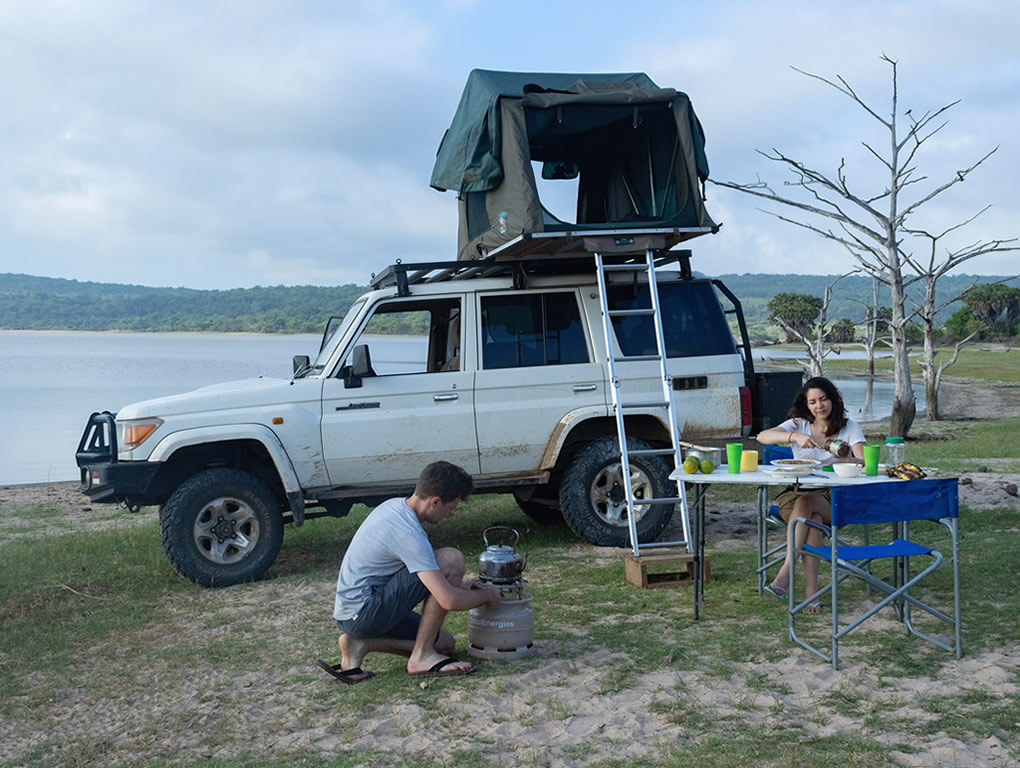
- Bush camping with rooftop tent is possible in many areas — check park regulations first
- Book mid-range and luxury lodges well in advance for peak season (Jul–Oct)
- Always store food in vehicle or bear-proof container — hyenas, baboons, and elephants raid camps
- Solar chargers are invaluable — many campsites have limited power
Seasonal Considerations
| Season | Months | Conditions | Best For |
| Dry Season | June – October | Best roads, clear skies, thinning vegetation | Wildlife viewing, migration, photography |
| Short Rains | November | Intermittent rain, some muddy roads | Birdlife, green landscapes, fewer tourists |
| Dry Spell | December – February | Mostly dry, hot in lowlands | Calving season, Serengeti, Amboseli |
| Long Rains | March – May | Heavy rain, some parks closed, muddy roads | Budget travel, lush green, fewer visitors |
Book 4×4 Landcruiser and drive across East afric a
The following estimates are per person (solo driver) for the full 60 days. Adjust based on travel style:
| Category | Budget (USD) | Mid-Range (USD) | Luxury (USD) |
| Accommodation (60 nights) | $1,800–2,400 | $4,500–7,500 | $15,000–30,000 |
| Park Entry Fees (all parks) | $1,200–1,500 | $1,200–1,500 | $1,200–1,500 |
| Gorilla Permits (2x) | $800 (Uganda only) | $1,600 (both) | $2,300 (both+luxury) |
| Chimpanzee & Primate Permits | $490 | $490 | $490 |
| Fuel (~7,000 km average) | $700–900 | $700–900 | $700–900 |
| Food & Meals (60 days) | $1,200–1,800 | $2,400–4,200 | $6,000–12,000 |
| Activities & Extras | $500–800 | $1,000–2,000 | $3,000–6,000 |
| Visa & Border Fees | $280 | $280 | $280 |
| Vehicle Rental (if renting) | $4,500–6,000 | $6,000–9,000 | $9,000–15,000 |
| TOTAL (excluding vehicle) | ~$6,500–8,000 | ~$12,000–18,000 | ~$30,000–55,000 |