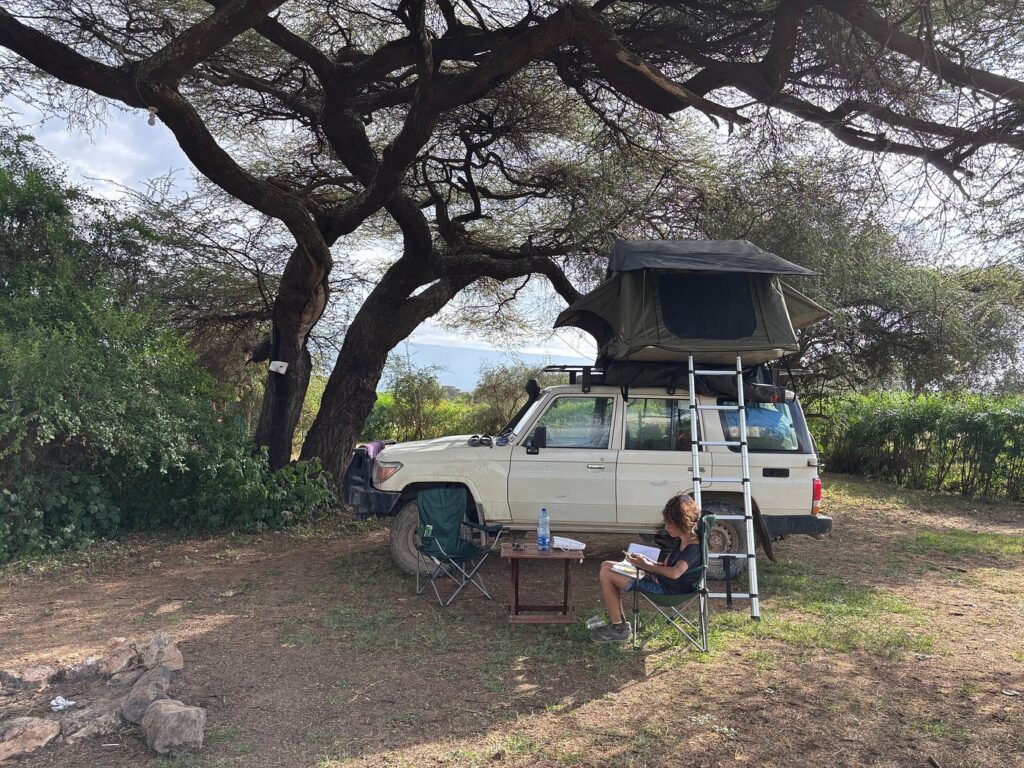
15-Day 4×4 Car Rental with Rooftop Tent and Camping in Uganda
15-Day 4×4 Car Rental with Rooftop Tent and Camping in Uganda, Uganda, the “Pearl of Africa,” is one of East Africa’s most underrated self-drive safari destinations. Packed into a landlocked country barely the size of the United Kingdom, Uganda offers remarkable diversity — towering volcanoes, vast savannahs, lush tropical forests, and the mighty Nile River — all teeming with extraordinary wildlife. From habituating mountain gorillas in Bwindi Impenetrable Forest to witnessing the Nile’s thunderous plunge at Murchison Falls, Uganda delivers world-class safari experiences at a fraction of the cost of Kenya or Tanzania.
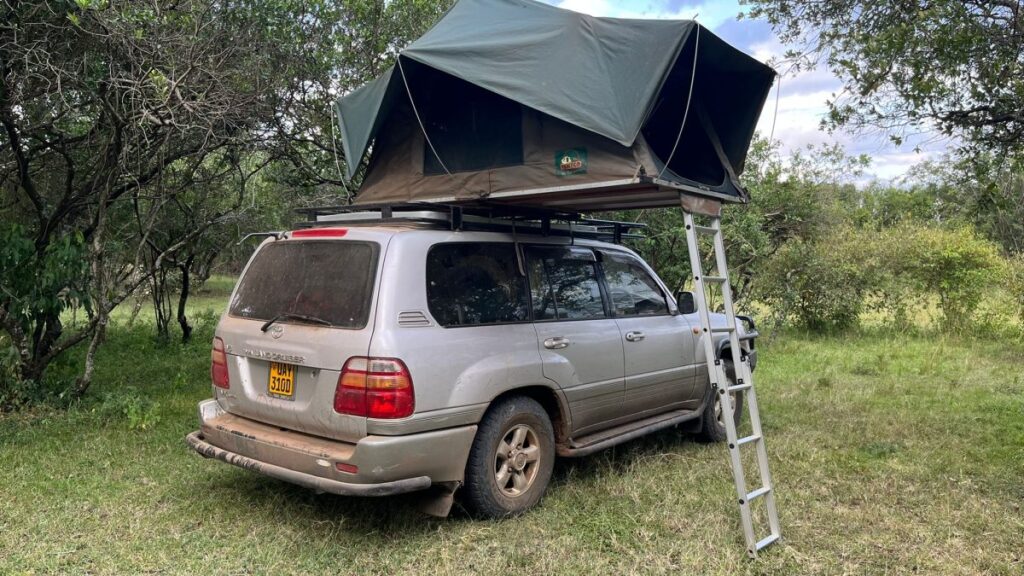
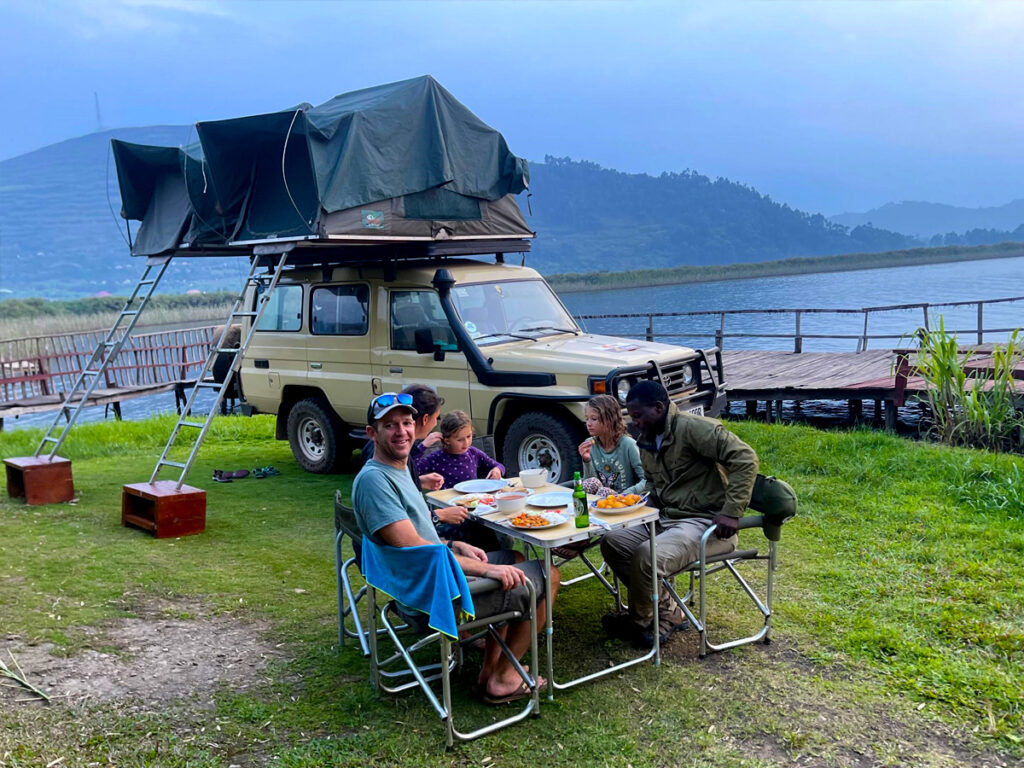
A 15-day car rental with rooftop tent is the ideal way to explore Uganda at your own pace. Sleeping elevated above your 4×4 gives you unbeatable proximity to wildlife, dramatic sunrises over national parks, and the freedom to camp inside park boundaries where game activity peaks at dawn and dusk. This comprehensive guide covers every aspect of planning a self-drive rooftop tent safari in Uganda — from choosing the right vehicle and the best parks to daily itinerary breakdowns, camping fees, gear checklists, and practical tips.
| 💡 TIP | This 15-day itinerary is designed as a flexible loop from Kampala/Entebbe, covering Uganda’s four major safari parks plus the breathtaking Kidepo Valley. It can be shortened to 10 days by skipping Kidepo or extended to 18 days by adding Kibale Forest for chimpanzee tracking. |
Why Choose a Car Rental with Rooftop Tent in Uganda?
Rooftop tent camping transforms your Uganda safari from a passive tour into an immersive wilderness experience. Here’s why overlanders consistently rate it as the best way to explore Uganda’s national parks:
Freedom & Flexibility
- Wake up inside the park at first light — no driving from a distant lodge
- Change your itinerary spontaneously based on wildlife sightings and road conditions
- Access remote campsites and fly-camping zones inaccessible to standard vehicles
- Stay longer in productive wildlife areas without worrying about check-in times
Cost Savings vs. Lodges
- Budget rooftop tent camping: USD 15–30 per night per person (public campsites)
- Luxury tented lodges in Uganda: USD 300–800+ per person per night
- A 15-day lodge safari for two easily costs USD 12,000–18,000
- A 15-day rooftop tent self-drive for two can be done for USD 3,500–5,500 all-in
Wildlife Immersion
- Elephants, buffaloes, and hippos regularly visit campsites at night
- Dawn game drives begin the moment you unzip your rooftop tent
- Birdsong and night sounds create an authentic African wilderness soundtrack
- No lodge walls between you and the ecosystem
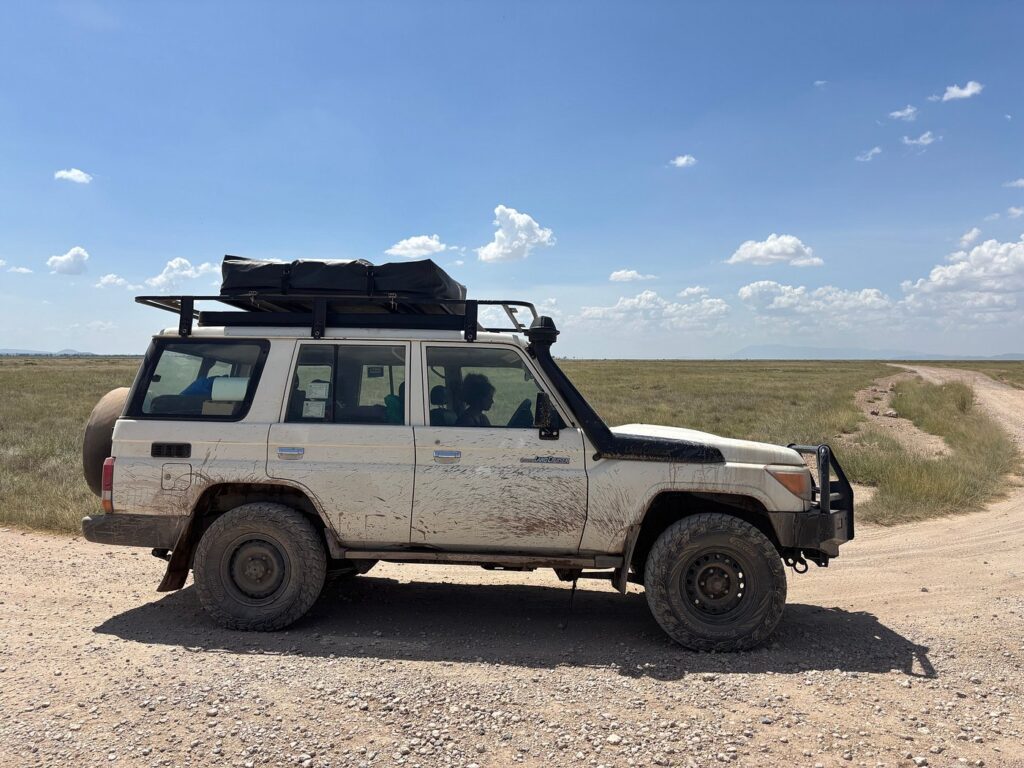
Best Vehicles for Rooftop Tent Camping in Uganda
Uganda’s national parks range from flat savannah tracks in Murchison Falls to steep, red-murram mountain roads in Kidepo and Bwindi. Vehicle choice is critical — especially in the rainy season (March–May and October–November) when tracks become treacherous.
Top Recommended Vehicles
| Vehicle | Engine | Ground Clearance | Tent Capacity | Best For | Daily Rate (USD) |
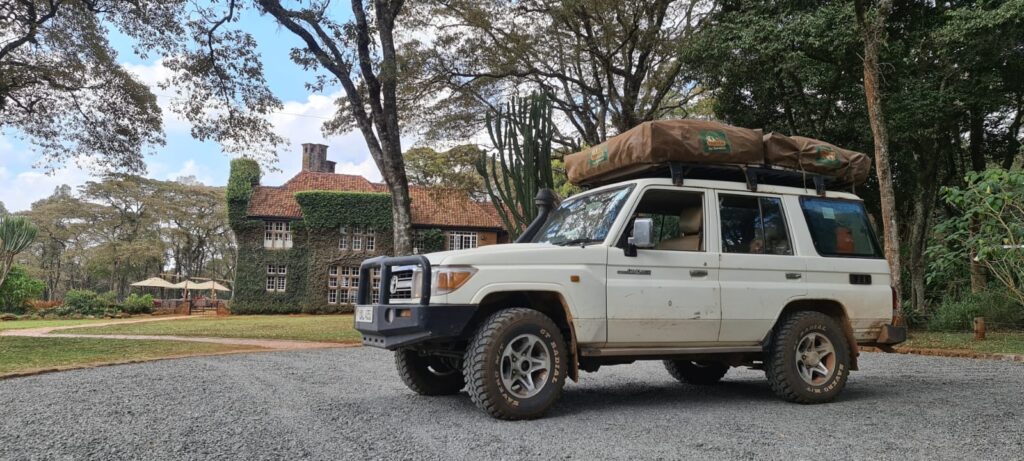
| Toyota Land Cruiser 78 Series | 4.2L Diesel | 230 mm | 2–3 Adults | All parks, Kidepo | $130–$180 |
| Toyota Land Cruiser 76 Series | 4.5L V8 Diesel | 210 mm | 2–3 Adults | All parks | $120–$170 |
| Toyota Land Cruiser Prado 150 | 3.0L Diesel | 200 mm | 2 Adults | Savannah parks | $100–$140 |
| Toyota HiLux Double Cab | 3.0L Diesel | 220 mm | 2 Adults | Budget overlanding | $80–$110 |
| Mitsubishi Pajero Sport | 2.4L Diesel | 205 mm | 2 Adults | Shorter trips | $75–$100 |
| Toyota RAV4 (2.5L AWD) | 2.5L Petrol | 185 mm | 2 Adults (light tent) | Dry season only | $60–$85 |
| ⚠️ NOTE | For Kidepo Valley National Park, a Land Cruiser 70 Series (78 or 76) is strongly recommended. The 240 km road from Gulu to Kidepo involves river crossings and deeply corrugated tracks that will damage lesser vehicles. Always hire a 4×4 with a high-lift jack, two spare tyres, and a recovery rope. |
Rooftop Tent Types Available in Uganda
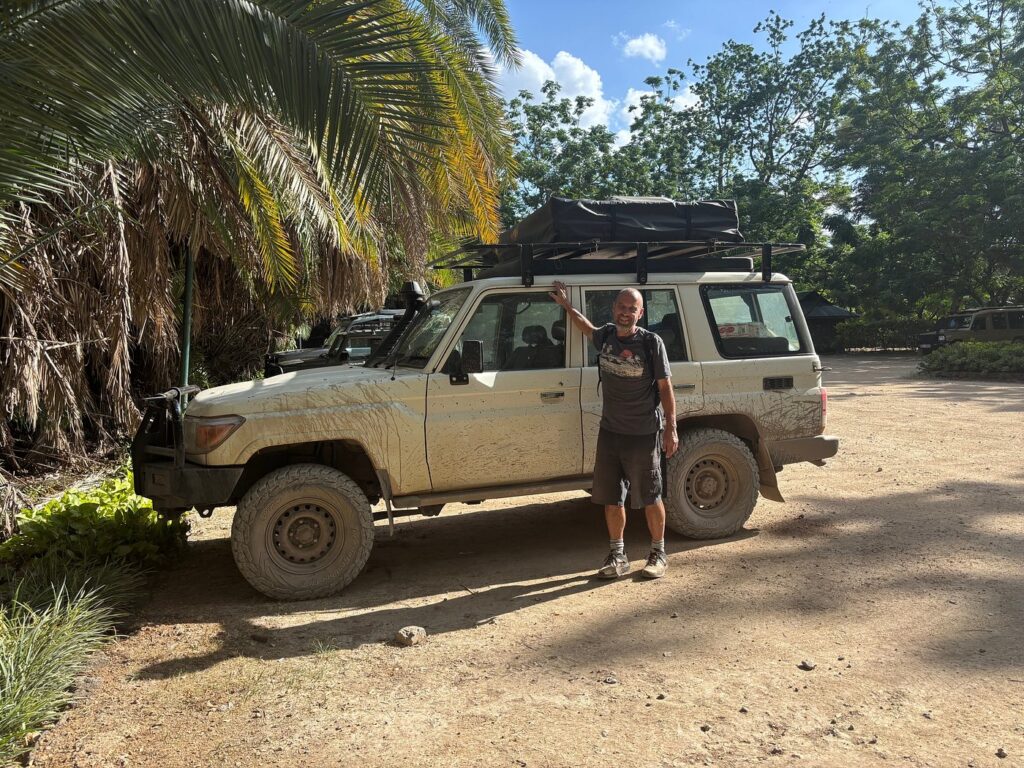
- Hard-shell rooftop tents (ARB, iKamper, Thule): Open in 30 seconds, superior aerodynamics — USD 20–30/day extra
- Soft-shell fold-out tents (Autohome, Tepui): More space, better ventilation, lower profile — USD 15–25/day extra
- Ground tents (included with some vehicles): No extra charge but lose the elevation advantage
Best Time to Visit Uganda for a Rooftop Tent Camping Safari
| Season | Months | Conditions | Wildlife Viewing | Camping Rating |
| Dry Season (Peak) | June – August | Sunny, cool nights, roads firm | Excellent — animals at waterholes | ⭐⭐⭐⭐⭐ |
| Short Dry Season | Dec – Feb | Warm, mostly dry, good visibility | Very good — vegetation thinner | ⭐⭐⭐⭐ |
| Long Rains | March – May | Heavy rain, muddy tracks | Good but difficult access | ⭐⭐ |
| Short Rains | Oct – Nov | Intermittent showers, green scenery | Good birding season | ⭐⭐⭐ |
15-Day Uganda Rooftop Tent Camping Itinerary Overview
| Day | Route | Distance | Key Activity | Campsite |
| Day 1 | Entebbe / Kampala → Ziwa Rhino Sanctuary | ~160 km | Rhino tracking on foot | Ziwa Campsite |
| Day 2 | Ziwa → Murchison Falls NP (South) | ~130 km | Arrive, evening game drive | Red Chilli Campsite |
| Day 3 | Murchison Falls NP | 60–80 km | Full-day game drive, falls hike | Red Chilli Campsite |
| Day 4 | Murchison Falls — Nile boat cruise | Boat trip | Nile boat cruise to falls base | Red Chilli Campsite |
| Day 5 | Murchison Falls → Fort Portal | ~290 km | Transfer, Kibale option | Crater Lakes Campsite |
| Day 6 | Fort Portal → Queen Elizabeth NP | ~100 km | Katunguru sector game drive | Mweya Campsite |
| Day 7 | Queen Elizabeth NP | 60–80 km | Kazinga Channel boat cruise | Mweya Campsite |
| Day 8 | Queen Elizabeth → Ishasha (South) | ~80 km | Tree-climbing lion search | Ishasha Campsite |
| Day 9 | Ishasha → Bwindi (Buhoma) | ~90 km | Arrive Bwindi, rest day | Buhoma Community Campsite |
| Day 10 | Bwindi — Gorilla Trekking | Trek 2–6 hrs | Mountain gorilla habituation | Buhoma Community Campsite |
| Day 11 | Bwindi → Lake Mburo NP | ~230 km | Zebra & impala game drive | Rwonyo Campsite |
| Day 12 | Lake Mburo → Kampala → Gulu | ~380 km | Transfer day north | Gulu Town Hotel/Camp |
| Day 13 | Gulu → Kidepo Valley NP | ~240 km | Arrive Kidepo, evening drive | Apoka Campsite |
| Day 14 | Kidepo Valley NP | 40–60 km | Cheetah, eland, ostrich drive | Apoka Campsite |
| Day 15 | Kidepo → Kampala / Entebbe | ~560 km | Drive out, depart or overnight | Kampala |
Detailed Day-by-Day Itinerary
Day 1: Entebbe/Kampala to Ziwa Rhino Sanctuary (160 km)
Pick up your 4×4 with rooftop tent from your Kampala or Entebbe car rental agency early morning. Allow 30–45 minutes to inspect the vehicle, load gear, test the rooftop tent deployment, and confirm all recovery equipment is on board. Depart northward on the Kampala–Gulu highway.
Ziwa Rhino Sanctuary, located near Nakitoma in Nakasongola District, is Uganda’s only place to see white rhinos in the wild. The sanctuary protects Uganda’s entire rhino population — around 36 animals — all descendants of rhinos brought from Kenya and the USA. A guided bush walk (USD 40 per person) takes you on foot through the acacia woodland to find the rhinos at close range, a genuinely thrilling experience.
Set up your rooftop tent at the on-site campsite and listen to the savannah come alive as night falls.
Key Highlights & Practical Notes
- White rhino tracking on foot
- Shoebill stork boat excursion (optional)
- Overnight: Ziwa Campsite — USD 10–15 per person
Day 2–4: Murchison Falls National Park (3 Nights)
Uganda’s largest and most visited national park, Murchison Falls protects 3,840 km² of savannah, riverine forest, and wetlands along the Victoria Nile. The park is famous for its dramatic waterfall where the Nile squeezes through a 7-metre gorge with tremendous force, as well as outstanding concentrations of elephants, hippos, crocodiles, Rothschild’s giraffes, lions, and over 450 bird species.
Day 2: Drive to the park’s south entrance at Kichumbanyobo. Cross the Nile on the Victoria Nile ferry (free for vehicles, runs 7am–7pm) and settle into Red Chilli Campsite on the north bank. Evening game drive along the Buligi Circuit — excellent for lions, Jackson’s hartebeest, and oribi.
Day 3: Full-day game drive on the north bank circuits (Buligi, Albert Delta, Top of the Falls). The 45-minute hike to the top of the falls via the southern bank is mandatory — the view of the Nile exploding through the gorge is one of Uganda’s most iconic sights.
Day 4: Morning Nile boat cruise from Paraa jetty (USD 30 per person, 3 hours). The boat drifts upstream past hundreds of hippos, Nile crocodiles, elephants drinking at the bank, and extraordinary birdlife — African fish eagles, goliath herons, malachite kingfishers — before stopping below the thundering base of Murchison Falls itself.
Key Highlights & Practical Notes
- Murchison Falls — the world’s most powerful waterfall
- Rothschild’s giraffe — one of the world’s rarest giraffe subspecies
- Nile boat cruise past hippos and crocodiles
- Buligi Circuit — best for lions and elephants
- Overnight: Red Chilli Campsite, Paraa — USD 12–20 per person
Day 5: Murchison Falls to Fort Portal (290 km)
Depart Murchison early to make the most of this scenic drive south. The road passes through Masindi town and then climbs into the lush Rwenzori foothills as you approach Fort Portal — Uganda’s “tourism city” set at the foot of the Mountains of the Moon.
Optional stop: Bigodi Wetland Sanctuary (1.5 hours) near Kibale National Park for a guided walk spotting red-tailed monkeys, l’Hoest’s monkeys, and outstanding birding. Fort Portal’s crater lakes district offers stunning viewpoints over volcanic craters filled with emerald water.
Camp overnight at one of the excellent campsites around Fort Portal’s crater lakes — Ndali Lodge Campsite or Rwenzori View Guesthouse Campsite both offer spectacular views.
Key Highlights & Practical Notes
- Crater Lakes scenic drive
- Bigodi Wetland birding (optional)
- Rwenzori Mountain views
- Overnight: Crater Lakes area — USD 10–15 per person
Day 6–7: Queen Elizabeth National Park (2 Nights)
Queen Elizabeth National Park is Uganda’s most biologically diverse protected area — 1,978 km² of savannah, wetlands, forests, and lakes supporting over 95 mammal species and 600 bird species. The park sits astride the Equator and is bisected by the Kazinga Channel, a 40-km natural waterway connecting Lake George and Lake Edward.
Day 6: Drive into the park via Katunguru gate. The Kasenyi Plains in the northern sector are the top lion-sighting area in Uganda. Check-in at Mweya Campsite — arguably the most spectacular campsite in East Africa, set on a peninsula with views over Lake Edward, the Kazinga Channel, and the Rwenzori Mountains.
Day 7: Morning game drive on the Kasenyi Plains searching for lion prides and leopards. Afternoon: 2-hour Kazinga Channel boat cruise (USD 30 per person) — the highest density of hippos and crocodiles anywhere in East Africa, plus elephants wading in the shallows and an astonishing variety of waterbirds.
Key Highlights & Practical Notes
- Kazinga Channel boat cruise — highest hippo density in East Africa
- Lions of Kasenyi Plains
- Mweya Peninsula — stunning Equatorial campsite
- 600+ bird species including Shoebill stork (Ishasha Flats)
- Overnight: Mweya Campsite — USD 15–25 per person
Day 8: Ishasha Sector — Tree-Climbing Lions (80 km)
Drive south through the park to the Ishasha sector, Queen Elizabeth’s remote southern extension bordering the DRC. Ishasha is world-famous as one of only two places on Earth where lions habitually climb trees — a behavior thought to have developed to escape biting insects and to gain better vantage points over the flat savannah.
Spend the morning scanning the large fig trees along the Ishasha River for resting lions. The sight of a pride draped across fig tree branches 6 metres above the ground is one of Africa’s most unusual wildlife spectacles. The Ishasha plains also support large herds of Uganda kob and topi.
Key Highlights & Practical Notes
- Tree-climbing lions — a globally unique spectacle
- Uganda kob and topi herds
- Remote, authentic wilderness atmosphere
- Overnight: Ishasha Campsite — USD 10–15 per person
Day 9–10: Bwindi Impenetrable Forest — Mountain Gorilla Trekking
The drive from Ishasha to Bwindi’s Buhoma sector (90 km) winds through terraced hillside tea plantations and banana groves with views back toward the Virunga volcanoes on the DRC border. Bwindi Impenetrable National Park is a UNESCO World Heritage Site protecting approximately half the world’s remaining mountain gorilla population — around 500 individuals in 21 habituated groups across four trekking sectors.
Day 9: Arrive Bwindi, rest and acclimatize. Bwindi sits at 1,160–2,607 m altitude — noticeably cooler and damper than the savannah parks. The Buhoma Community Campsite is beautifully situated overlooking the forest, with access to excellent community walks and local cultural experiences.
Day 10: Gorilla trekking day. Treks depart at 08:00 from the Uganda Wildlife Authority briefing point. Groups of eight people are guided by UWA rangers through the dense montane forest — the terrain is steep and muddy, with treks lasting 2–6 hours depending on gorilla group location. Upon finding the group, you spend exactly 60 minutes in close observation of these extraordinary primates.
Key Highlights & Practical Notes
- Mountain gorilla trekking permit: USD 700 per person (must be booked months in advance)
- World’s rarest ape — only ~1,000 mountain gorillas exist globally
- Buhoma community walk and cultural experiences
- Birding: African green broadbill, Grauer’s rush warbler (Albertine Rift endemics)
- Overnight: Buhoma Community Campsite — USD 10–15 per person
Day 11: Lake Mburo National Park (230 km)
Lake Mburo National Park is Uganda’s smallest and most accessible savannah park — just 370 km² but packing in exceptional wildlife including Uganda’s only wild zebra population, impala (found nowhere else in Uganda), eland, topi, warthog, hyena, and leopard. The park’s five lakes attract hippos and the rare shoebill stork.
Unlike most Ugandan parks, Lake Mburo allows walking safaris and horseback safaris alongside game drives — a welcome change after days in the vehicle. The Rwonyo Campsite sits beside one of the park’s lakes and regularly receives hippo and buffalo visits at night.
Key Highlights & Practical Notes
- Uganda’s only wild zebras
- Walking safari in the park (USD 25 per person)
- Horseback safari (USD 35 per person/hour)
- Shoebill stork spotting on the lakes
- Overnight: Rwonyo Campsite — USD 15 per person
Day 12: Transit to Northern Uganda (Gulu)
Today is a long driving day — approximately 380 km from Lake Mburo through Kampala and north to Gulu, Uganda’s second city. This drive connects the southern safari circuit to the remote northern frontier. Gulu has good fuel stations, supermarkets, and overnight accommodation — stock up on supplies for the remote Kidepo drive ahead.
Alternatively, some travellers fly from Entebbe to Kidepo (charter flights available, ~1 hour) and drive back, but road access via Gulu is entirely feasible with a Land Cruiser and rewarding in its own right.
Key Highlights & Practical Notes
- Top up fuel, provisions, and water in Gulu
- Optional: Visit Gulu town market
- Overnight: Gulu — hotel or Boma Hotel campsite
Day 13–14: Kidepo Valley National Park (2 Nights)
Kidepo Valley National Park is Uganda’s wildest and most remote protected area — a 1,442 km² wilderness in the Karamoja region bordering South Sudan. Many safari veterans rate Kidepo as one of Africa’s greatest parks: vast open valley floors ringed by rugged mountains, starkly beautiful semi-arid scenery, and wildlife found nowhere else in Uganda.
The 240 km drive from Gulu to Kidepo (4–5 hours in good conditions, 6–8 hours in wet season) passes through the traditional Karamojong pastoral homeland — one of Uganda’s most culturally distinct peoples, still living largely by cattle-herding. The road’s final 50 km into the park can be severely rutted — a Land Cruiser is essential.
Day 13: Arrive Kidepo, afternoon game drive in the Narus Valley. Kidepo’s iconic species include cheetah, striped hyena, Burchell’s zebra, greater kudu, eland, Beisa oryx, roan antelope, ostriches (Uganda’s only population), and bat-eared foxes.
Day 14: Full day in Kidepo. Morning game drive in the Namus Valley (seasonal — requires 4WD). The dry Narus riverbed attracts large elephant herds and is a reliable spot for lions. An Ik cultural village visit (the Ik are among Africa’s smallest ethnic groups, living on Mount Morungole) offers a remarkable cultural encounter unlike anywhere else in East Africa.
Key Highlights & Practical Notes
- Cheetahs — Uganda’s only wild cheetah population
- Ostriches, greater kudu, and Beisa oryx — unique to this park in Uganda
- Narus Valley game drive — the most concentrated wildlife in the north
- Ik cultural village visit on Mount Morungole
- Overnight: Apoka Campsite — USD 10–15 per person
Day 15: Kidepo to Kampala/Entebbe (560 km — Long Drive)
The return journey from Kidepo to Kampala is approximately 560 km and takes 8–10 hours including stops. Depart at first light (5:00–5:30 AM) to reach Kampala before dark. The Gulu–Kampala highway is well-surfaced and the journey from Gulu takes about 4 hours.
Return the vehicle to your car rental agency in Kampala or Entebbe by agreed drop-off time. If your flight departs the next morning, Entebbe has excellent guesthouses and airport hotels within 10 minutes of the terminal.
Key Highlights & Practical Notes
- Depart Kidepo 5:00–5:30 AM
- Fuel in Kitgum town (last major stop)
- Optional lunch stop in Gulu
- Return vehicle in Kampala or Entebbe
Uganda National Park Camping Fees & Entry Costs (2026–2027)
| Park / Site | Entry Fee (Foreign Non-Resident) | Campsite Fee/Person/Night | Vehicle Fee/Day | Notes |
| Murchison Falls NP | USD 40/day | USD 15 (public site) | USD 10 | Ferry crossing included |
| Queen Elizabeth NP | USD 40/day | USD 20 (Mweya) | USD 10 | Ishasha: USD 10/night |
| Bwindi Impenetrable NP | USD 40/day | USD 10–20 | USD 10 | Gorilla permit: USD 700 |
| Kidepo Valley NP | USD 40/day | USD 15 (Apoka) | USD 10 | Remote — fuel in Gulu |
| Lake Mburo NP | USD 40/day | USD 15 (Rwonyo) | USD 10 | Walking safari extra |
| Ziwa Rhino Sanctuary | USD 20/person | USD 10–15 | Free | Rhino tracking: USD 40 |
| 💰 BUDGET | For a 15-day trip for two people: Park entry fees ≈ USD 1,120 | Camping fees ≈ USD 360 | Gorilla permits ≈ USD 1,400 | Vehicle rental ≈ USD 1,800–2,700 | Fuel ≈ USD 400–600 | Food & misc ≈ USD 500 | Total ≈ USD 5,580–6,680 (excl. flights & gear) |
Rooftop Tent Camping Gear Checklist for Uganda
Sleeping & Camp Comfort
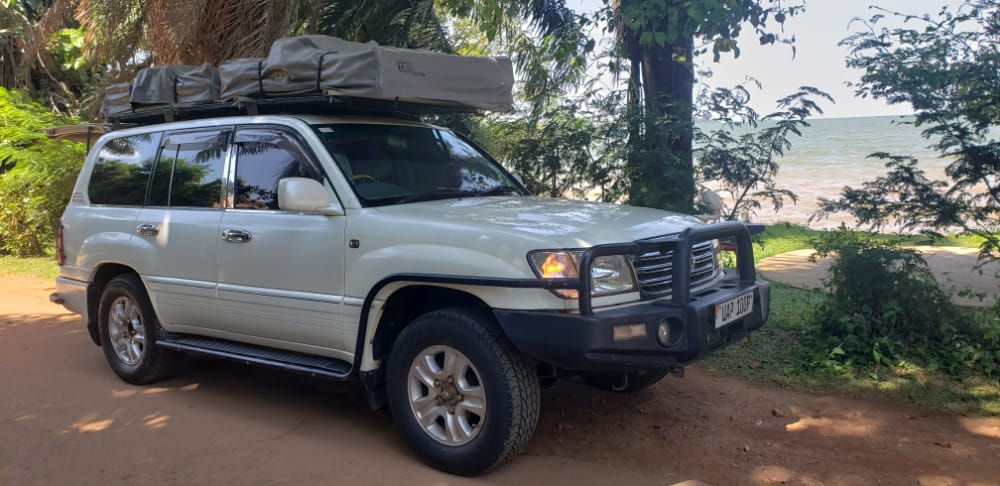
- Rooftop tent (provided with vehicle — confirm model and capacity with rental agency)
- Sleeping bag rated to +5°C (Bwindi and Kidepo nights can drop to 10°C)
- Sleeping mat or self-inflating pad (back-up comfort layer)
- Pillow, sheets, or liner
- Headlamp + spare batteries
- Camp chair and small folding table
Cooking & Food
- Two-burner gas camping stove + spare gas canisters (gas refills available in Kampala and Fort Portal)
- Cooking pot set, frying pan
- Plates, cups, cutlery (reusable)
- 20-litre water jerry can × 2
- Portable water filter or purification tablets
- 7-day dry/non-perishable food supply (supplement with fresh produce from local markets)
- Cooler/ice box + ice (replace ice in major towns)
Vehicle & Safety
- Two spare tyres (confirm with rental agency — one is standard; request two for Kidepo)
- High-lift jack + base plate
- Recovery strap (kinetic), shackles × 2
- Tyre repair kit + air compressor
- Basic tool kit (spanners, zip ties, duct tape)
- Jerry can: 20L diesel reserve
- GPS tracker / offline maps (Maps.me or Gaia GPS with Uganda maps downloaded)
Health & Safety
- Malaria prophylaxis (consult GP — Malarone or Doxycycline recommended)
- First aid kit: antiseptic, bandages, rehydration sachets, antihistamines, painkillers
- Yellow fever vaccination card (mandatory for Uganda entry)
- DEET insect repellent (50%+ concentration)
- Permethrin-treated clothing
- Sunscreen SPF 50+
- Personal medications + extra supply
Practical Tips for a Uganda Rooftop Tent Safari
Gorilla Trekking Permits
Bwindi gorilla trekking permits (USD 700 per person) must be booked months in advance — ideally 4–6 months before travel for peak season (June–August, December). Book directly through the Uganda Wildlife Authority (UWA) or a licensed car rental/tour agency. The permit includes the guided trek but not park entry (charged separately).
Fuel & Fuel Strategy
Uganda has reliable fuel stations in all major towns. Fill up fully in Kampala before departing, and again in Masindi (before Murchison), Fort Portal (before Queen Elizabeth), Kasese (before Bwindi), Mbarara (before Lake Mburo), Gulu (before Kidepo), and Kitgum (last fuel before Kidepo). Carry a 20-litre reserve jerry can for Kidepo — fuel within the park is not available.
Road Conditions
- Murchison Falls: Mostly murram/gravel, good 4×4 tracks inside the park
- Fort Portal → Queen Elizabeth: Tarmac highway, good condition
- Ishasha → Bwindi: Steep, potholed murram — drive slowly after rain
- Lake Mburo: Mixed tarmac and murram — manageable in dry season with 2WD high clearance
- Gulu → Kidepo: First 180 km tarmac, final 60 km badly corrugated murram — rocky in places
Wildlife Safety at Camp
Rooftop tents protect you from ground-level predators but you must remain vigilant when descending at night. Never leave food or scented items accessible in the tent or vehicle. If you need to descend from your tent after dark, scan the ground with a torch before climbing down. In Murchison and Queen Elizabeth, hippos regularly walk through campsites at night — remain in the vehicle or tent if you hear them approach.
| 🔒 SAFETY | Always lock your vehicle when sleeping or away from camp. Keep valuables (passports, cash, electronics) in a lockbox or hidden compartment in the vehicle. Most campsite staff are trustworthy, but maintain basic security habits throughout the trip. |
Mobile Connectivity
Uganda’s MTN and Airtel networks provide reasonable 4G coverage in towns and along major highways. Coverage inside national parks is limited or non-existent. Download offline maps (Maps.me), a first-aid reference app, and park guides before entering. A satellite communicator (Garmin inReach) is strongly recommended for the Kidepo leg.
Visa & Entry Requirements
Most nationalities require a Uganda visa — apply online via the Uganda e-Visa portal (www.visas.immigration.go.ug) at least 14 days before travel. Cost: USD 50 for a single-entry visa (30 days) or USD 100 for the East Africa Tourist Visa (Uganda + Kenya + Rwanda). Yellow fever vaccination is mandatory for entry.
Choosing a Car Rental Agency in Uganda: What to Look For
Not all Uganda car rental agencies offer rooftop tents as standard equipment. When selecting your rental provider, confirm the following before booking:
- Rooftop tent type, age, and condition — request photos before confirming
- Whether a driver/guide is included or available (self-drive vs. driver-guide options)
- Insurance coverage — basic third-party is standard; request comprehensive coverage for backcountry driving
- What recovery equipment is supplied (spare tyres, hi-lift jack, tow strap)
- 24/7 emergency contact and breakdown support availability
- Whether the agency has operated the Kidepo route before — some restrict their vehicles from the far north
- Fuel policy — full-to-full is standard; confirm there are no drop charges for one-way rentals
| Rental Tier | What You Get | Typical Daily Rate | Best For |
| Budget | Older Land Cruiser/HiLux, basic tent, min. extras | USD 80–100/day | Experienced overlanders on a budget |
| Mid-Range | Well-maintained LC Prado/HiLux, quality tent, full kit | USD 110–140/day | Most independent travellers |
| Premium | Land Cruiser 78/79 Series, hard-shell tent, full recovery kit | USD 150–200/day | Families, Kidepo-route travellers |
Conclusion: Why Uganda is East Africa’s Best Rooftop Tent Safari Destination
A 15-day rooftop tent camping safari in Uganda offers an extraordinary depth of experience that few other African destinations can match within a single trip. In just two weeks, you will have tracked mountain gorillas on foot through ancient rainforest, watched the Nile squeeze through a 7-metre gorge at Murchison Falls, searched for tree-climbing lions in Ishasha, encountered cheetahs in the remote Kidepo wilderness, and woken each morning to birdsong inside the world’s finest national parks.
Uganda remains one of Africa’s last genuine frontiers — where tourism infrastructure is developing but overcrowding is not yet a problem, where wildlife encounters feel raw and unscripted, and where your rooftop tent campsite is as likely to host visiting elephants as it is to host other overlanders. The cost advantage over Kenya and Tanzania is significant, and the gorilla trekking experience is arguably the most profound wildlife encounter available anywhere on Earth.
Whether you’re an experienced overlander or taking your first self-drive African safari, Uganda’s rooftop tent camping circuit is a journey that will stay with you for life. Book your permits early, choose your vehicle wisely, and let the Pearl of Africa reveal itself at your own pace.
| 📞 READY TO BOOK? | Contact Us a reputable Uganda car rental agency specializing in rooftop tent safaris at least 3 months before your departure date, especially if your trip includes Bwindi gorilla trekking. Confirm availability of your preferred vehicle, rooftop tent model, and all recovery equipment before making any park bookings. |