70 days self-drive safari itinerary Uganda, Rwanda, Tanzania, Kenya
| Duration
70 Days |
Countries
4 Nations |
Est. Distance
~6,500 km |
Parks & Reserves
20+ |
| Uganda → Rwanda → Tanzania → Kenya → Uganda
Kampala departure & return — self-drive 4WD circuit |
A fully optimized self-drive safari itinerary with park-by-park detail, driving routes, border crossings, and essential tips
This 70 days self-drive safari itinerary takes you through four of East Africa’s most extraordinary countries — Uganda, Rwanda, Tanzania, and Kenya — before returning to your starting point in Kampala. The route is carefully optimized to minimize backtracking, align with seasonal wildlife events, and balance remote wilderness areas with accessible infrastructure.
Covering approximately 6,500 km of driving, you will track mountain gorillas in misty rainforests, witness the Great Migration on the Serengeti, see the last two northern white rhinos on Earth, explore the world’s largest intact volcanic caldera, and experience the extraordinary diversity of cultures, landscapes, and ecosystems that make East Africa unmatched anywhere on the planet.
This circuit ranks among the finest overland safari routes achievable — a journey that combines primate encounters, the Big 5 across multiple ecosystems, Indian Ocean beaches, active volcanoes, colonial history, and some of Africa’s most forward-thinking conservation success stories.
| KEY PRACTICAL INFORMATION |
Vehicle Requirements
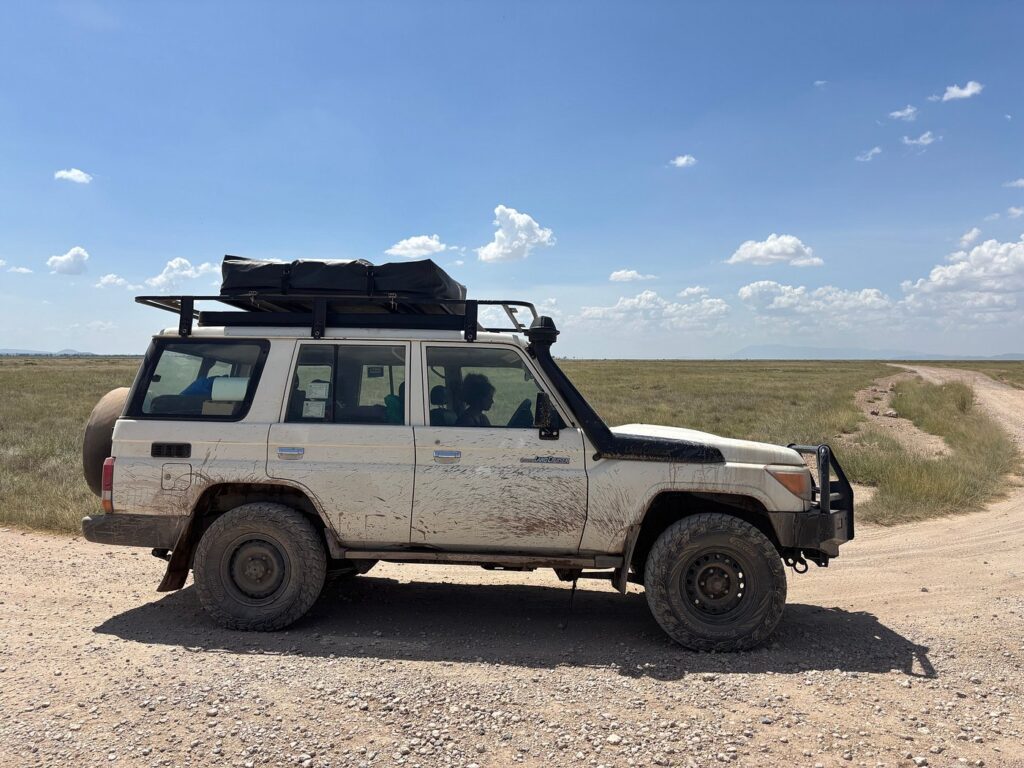
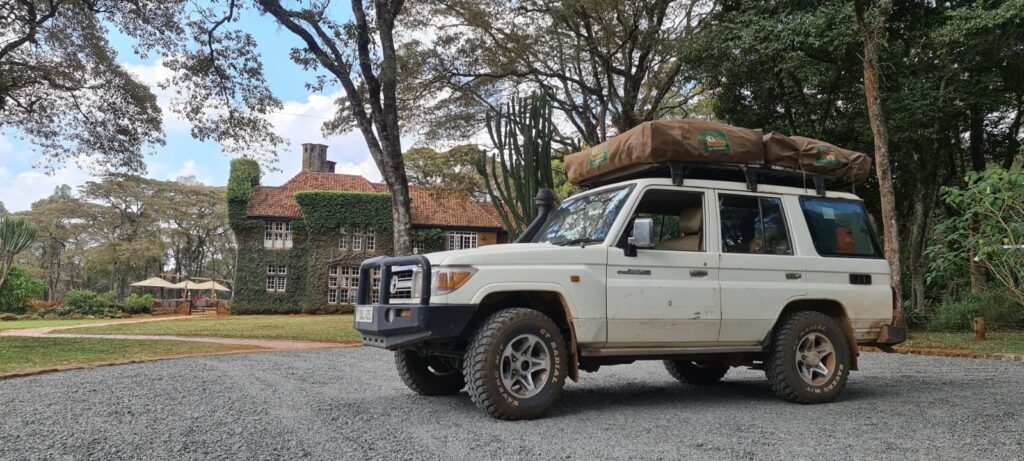
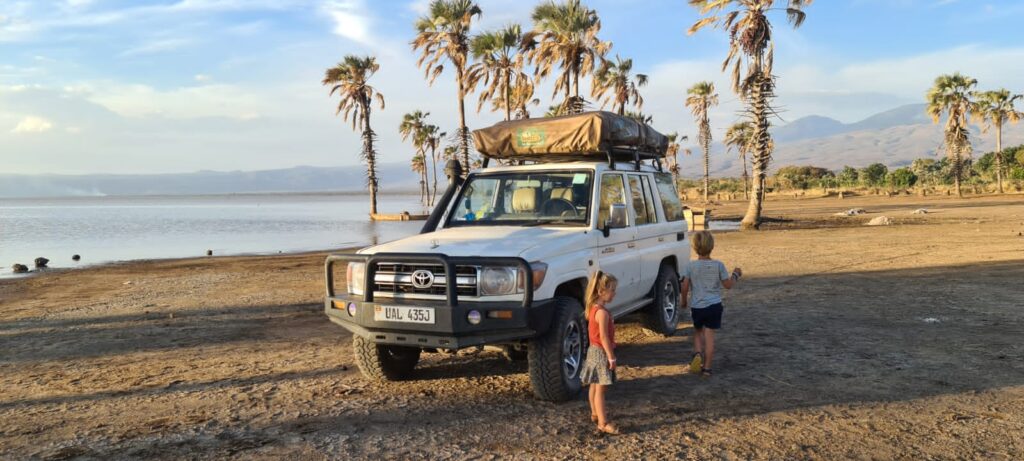
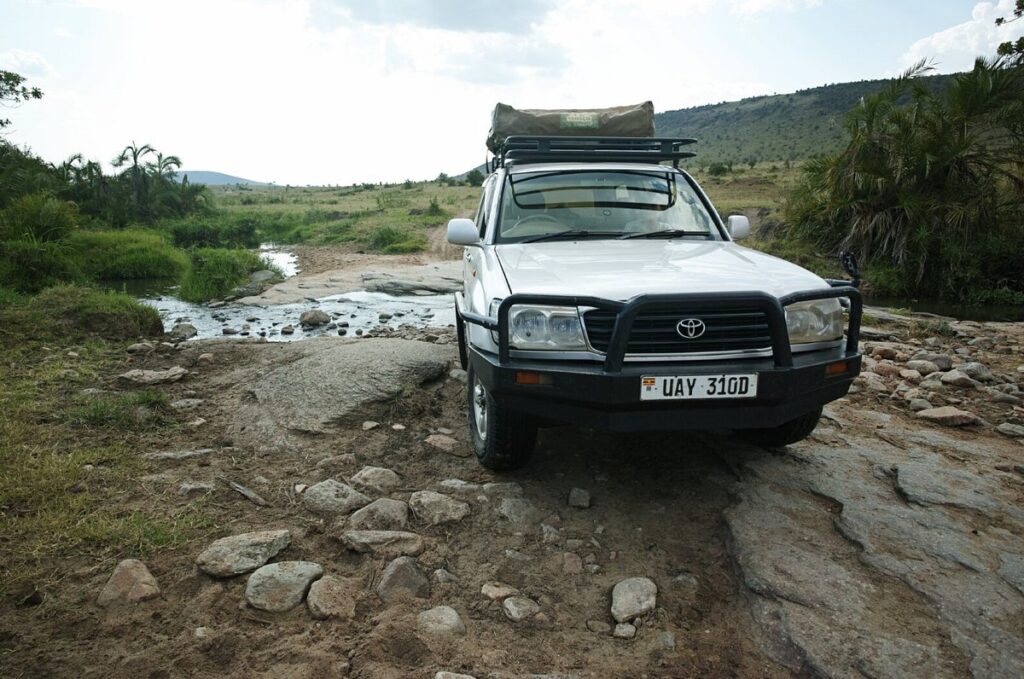
- 4WD vehicle with high clearance is essential: Toyota Land Cruiser (78, 79, or 200 series), Land Cruiser Prado, or equivalent.
- Mandatory: two spare tyres, high-lift jack, tow rope (8-tonne minimum), sand tracks/recovery boards, and a basic tool kit.
- Long-range fuel tank or jerry cans: northern Uganda (Kidepo area) and southern Tanzania (Ruaha–Selous) have fuel gaps exceeding 200 km.
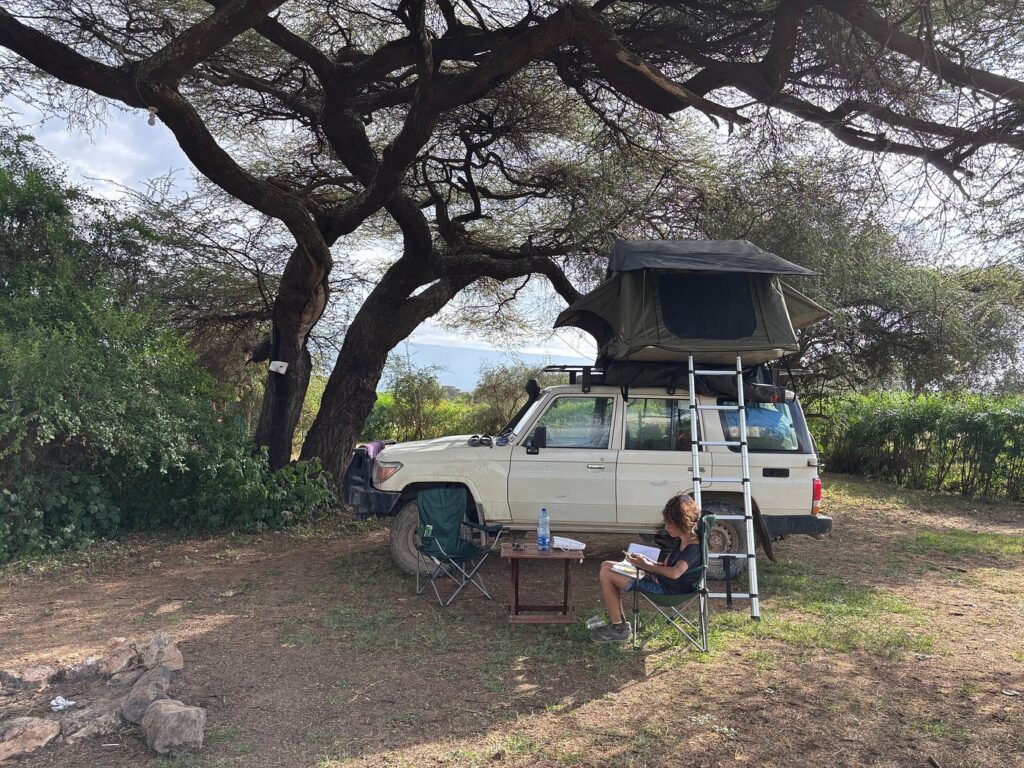
- Rooftop tent option: excellent for Tanzania’s campsites (Serengeti, Ruaha, Nyerere) — saves significantly on accommodation costs.
- Vehicle hire in Kampala: Self Drive Uganda, Car Rental Uganda, Uganda Car Rental Depot — always inspect vehicle comprehensively before departing and photograph all existing damage.
Essential Documents & Permits
| Passport | Valid for 6+ months beyond travel dates, with at least 4 blank pages for stamps |
| East African Tourist Visa | $100 online — covers Uganda, Kenya, and Rwanda simultaneously (recommended). Apply at immigration.go.ug |
| Tanzania Visa | $50 — apply online at immigration.go.tz before arrival, or available at Namanga/Rusomo borders |
| Yellow Fever Certificate | Mandatory for Uganda and Rwanda; strongly recommended for Tanzania and Kenya |
| Vehicle Documents | Logbook, comprehensive insurance, COMESA Yellow Card (regional insurance), temporary import permits per country |
| Gorilla Permits Uganda | $800 per person (UWA) — book 6–12 months in advance at ugandawildlife.org |
| Gorilla Permits Rwanda | $1,500 per person (RDB) — book well in advance at rdb.rw |
| Chimpanzee Permits | Kibale Uganda $200/person; Nyungwe Rwanda $90/person; Budongo Uganda $150/person |
| International Driving Permit | Required alongside home driving licence — obtain from your national motoring association before departure |
| Vehicle Carnet | Tanzania may require a Carnet de Passages or Temporary Import Permit — confirm with your vehicle rental company |
Best Seasons to Visit
| Uganda — Dry Season | January–February and June–September: best for gorilla trekking (trails less muddy) and game drives |
| Rwanda — Dry Season | June–September and December–February: optimal for gorilla trekking and Nyungwe access |
| Tanzania — Migration | Jul–Oct: northern Serengeti and Maasai Mara river crossings. Dec–Mar: calving season in Ndutu/southern Serengeti |
| Kenya — Maasai Mara | July–October: Great Migration crosses the Mara River — peak wildlife spectacle |
| Avoid if Possible | April–May (long rains) — some remote roads become impassable, particularly Kidepo and Ruaha approaches |
Estimated Budget Per Person
| Vehicle Hire (70 days @ $70–100/day) | $4,900 – $7,000 |
| Fuel (~6,500 km at avg $1.50/litre) | $1,200 – $1,500 |
| Gorilla Permits (UG $800 + RW $1,500) | $2,300 per person |
| Park Entry Fees (all parks, 70 days) | $1,500 – $2,200 (varies by nationality) |
| Accommodation (mix budget/mid-range) | $3,500 – $7,000 |
| Meals & Incidentals | $1,500 – $2,500 |
| Activities (rafting, balloon, chimp, etc.) | $800 – $1,500 |
| Visas & Insurance | $300 – $500 |
| TOTAL ESTIMATE (per person, sharing vehicle) | ~$16,000 – $22,500 for 70 days |
COMPLETE ROUTE OVERVIEW
| Days | Destination | Highlight | Country |
| 1 | Kampala, Uganda | Vehicle collection, city exploration | Uganda |
| 2–3 | Jinja / Source of Nile | Rafting, Nile source, bungee | Uganda |
| 4–5 | Sipi Falls / Mt Elgon | Waterfall hike, abseil, coffee tour | Uganda |
| 6–7 | Kidepo Valley NP | Remote safari, cheetah, Karamojong | Uganda |
| 8–10 | Murchison Falls NP | World’s most powerful falls, shoebill | Uganda |
| 11–13 | Kibale Forest NP | Chimp tracking, 13 primate species | Uganda |
| 14–16 | Queen Elizabeth NP | Tree-climbing lions, Kazinga cruise | Uganda |
| 17–19 | Bwindi Impenetrable NP | Mountain gorilla trekking | Uganda |
| 20 | Lake Bunyonyi | Crater lake, canoe, relaxation | Uganda |
| 21–22 | Kigali, Rwanda | Genocide Memorial, arts, dining | Rwanda |
| 23–25 | Volcanoes NP | Gorilla trekking, golden monkey | Rwanda |
| 26–27 | Lake Kivu | Lakeside, ferry, DRC views | Rwanda |
| 28–29 | Nyungwe Forest NP | Canopy walk, chimps, colobus | Rwanda |
| 30 | Akagera NP | Big 5 restored, black rhino, boat | Rwanda |
| 31–33 | Serengeti NP | Great Migration, Big 5, balloon | Tanzania |
| 34–35 | Ngorongoro Crater | World’s greatest wildlife arena | Tanzania |
| 36–38 | Manyara/Tarangire/Arusha | Tree-climbing lions, baobabs | Tanzania |
| 39–40 | Kilimanjaro base / Moshi | Roof of Africa, Chagga culture | Tanzania |
| 41–43 | Zanzibar Island | Stone Town, beaches, spice farms | Tanzania |
| 44–45 | Dar es Salaam & Mikumi | City, ‘Little Serengeti’ | Tanzania |
| 46–47 | Ruaha NP | Wild dog, elephant, wilderness | Tanzania |
| 48–49 | Nyerere NP (Selous) | Rufiji boat safari, wild dog | Tanzania |
| 50–52 | Amboseli NP, Kenya | Elephants & Kilimanjaro backdrop | Kenya |
| 53–55 | Tsavo West & East NP | Red elephants, Mzima Springs | Kenya |
| 56–57 | Nairobi | Elephant orphanage, Giraffe Centre | Kenya |
| 58–60 | Maasai Mara NR | Migration crossings, Big 5 | Kenya |
| 61–62 | Nakuru & Naivasha | Flamingos, rhino, Hell’s Gate | Kenya |
| 63–64 | Samburu NR | Northern Special Five | Kenya |
| 65–66 | Ol Pejeta / Mt Kenya | Last northern white rhinos | Kenya |
| 67–68 | Return Uganda / Jinja | Lake Victoria, Nile reunion | Uganda |
| 69–70 | Entebbe, Uganda | Chimps, gardens, departure | Uganda |
| PHASE 1: UGANDA (Days 1–20) |
Kampala → Jinja → Sipi Falls → Kidepo Valley → Murchison Falls → Kibale → Queen Elizabeth → Bwindi → Lake Bunyonyi
| Day 1
Kampala, Uganda |
Arrival in Kampala — Orientation & Preparations |
| Overnight | Kampala (Protea by Marriott or Speke Hotel) |
| Drive | 0 km — Arrival day |
| Meals | Dinner at hotel |
| Highlight | Vehicle collection, permit check, route briefing |
Activities & Highlights:
- Collect pre-booked 4WD vehicle (Toyota Land Cruiser or similar) with high clearance, two spare tyres, and recovery gear.
- Verify all permits: gorilla permits (UWA), chimpanzee permits, and park entry passes — check expiry dates carefully.
- Stock up on essentials: fuel, snacks, water, first aid kit, offline GPS (Maps.me / Gaia GPS downloaded).
- Visit Kampala city: Kasubi Tombs (UNESCO World Heritage), Namugongo Martyrs Shrine, Owino Market.
- Full route briefing: review the 70-day circuit, border crossing requirements, emergency contacts, and seasonal conditions.
- Purchase East African Tourist Visa if not done online ($100 — covers Uganda, Kenya, Rwanda simultaneously).
| Days 2–3
Jinja, Uganda |
Jinja — Source of the Nile & Adventure Capital |
| Overnight | Nile River Camp or Source of the Nile Gardens |
| Drive | ~82 km, approx. 2 hours (Kampala–Jinja Highway A109) |
| Meals | Self-catered or local restaurants |
| Highlight | White-water rafting, Source of the Nile |
Activities & Highlights:
- Drive east from Kampala on the A109 — flat and well-tarmacked. Enter Jinja, Uganda’s second city.
- Visit the Source of the Nile: boat ride to the exact confluence where Lake Victoria feeds the Nile River.
- White-water rafting on Grade 4–5 rapids with Nalubale Rafting or Adrift — a full-day adrenaline experience.
- Bungee jumping over the Nile at Nile High Bungee (44m drop over rushing rapids).
- Sunset boat cruise with local fishermen, watching the Nile painted gold at dusk.
- Explore Jinja town: colonial-era architecture, Goan temples, riverside market, and craft stalls.
- Optional: kayaking or stand-up paddleboarding on the upper Nile for a gentler experience.
| Days 4–5
Sipi, Eastern Uganda |
Sipi Falls & Mount Elgon National Park |
| Overnight | Sipi River Lodge or Crow’s Nest Camp |
| Drive | ~200 km from Jinja via Mbale, approx. 3–4 hours |
| Meals | Lodge-catered |
| Highlight | Three-tiered waterfall hike, abseil, Arabica coffee farm tour |
Activities & Highlights:
- Drive north-east via Mbale town — well-tarred road with mountain scenery emerging as you approach Elgon.
- Arrive Sipi Falls: three spectacular cascading waterfalls on the slopes of Mount Elgon, the lowest dropping 100m into a gorge.
- Guided hike visiting all three falls with local guide — 3–4 hours of moderate hiking through farmland and forest.
- Abseiling (rappelling) down Sipi Falls face with Sipi River Lodge guides — thrilling vertical drop.
- Coffee farm tour: visit a local Arabica smallholder farm, trace the full bean-to-cup process — picking, pulping, fermenting, drying, roasting, and tasting.
- Optional short hike into Mount Elgon NP to Tutum Cave — explore the elephant cave where animals enter to eat mineral salts.
- Panoramic sunset views from Crow’s Nest across the Elgon caldera and distant plains.
| Days 6–7
Kidepo, N Uganda |
Kidepo Valley National Park — Uganda’s Remote Gem |
| Overnight | Apoka Safari Lodge or Nga’Moru Wilderness Camp |
| Drive | ~350 km from Sipi via Moroto, approx. 6–7 hours on rough roads (4WD essential) |
| Meals | Full board at lodge |
| Highlight | Lion, elephant, cheetah, caracal, Karamojong culture |
Activities & Highlights:
- Long drive north through Moroto and Kotido: stunning semi-arid landscapes, 4WD required for last 80 km. Fuel up in Moroto.
- Kidepo Valley NP: one of Africa’s most remote and least-visited parks — rated by CNN and African wildlife experts as Uganda’s finest wildlife destination.
- Morning game drive in Narus Valley: resident lion prides, large elephant herds, buffalo, Burchell’s zebra, Jackson’s hartebeest, and eland.
- Kidepo is one of very few Uganda parks where you can see cheetah and caracal — the valley’s semi-arid habitat supports these cats.
- Cultural visit to a Karamojong manyatta (village): semi-nomadic pastoralist people — traditional dances, ochre-adorned warriors, cattle culture.
- Night game drive with spotlight: leopard, spotted hyena, genet, African wild cat, and aardvark sightings.
- Visit Kanangorok Hot Springs in the park’s remote north — mineral pools near the South Sudan border.
| Days 8–10
Murchison Falls, NW Uganda |
Murchison Falls National Park |
| Overnight | Paraa Safari Lodge or Red Chilli Rest Camp |
| Drive | ~360 km from Kidepo via Gulu, approx. 7 hours |
| Meals | Full board |
| Highlight | World’s most powerful waterfall, shoebill stork, Big 5 game drives |
Activities & Highlights:
- Drive west across northern Uganda — cross the Nile at Karuma Falls bridge, enter through the park’s northern gate.
- Murchison Falls NP: Uganda’s largest national park at 3,840 km², one of Africa’s most productive wildlife areas.
- Boat cruise on the Nile to the base of Murchison Falls (2.5 hours): hippo pods, Nile crocodile, elephant at the water’s edge, and birds including pied kingfisher and African fish eagle.
- Hike to the top of Murchison Falls: witness the entire Nile River forcing through a 7-metre gorge — raw, thunderous power.
- Morning and afternoon game drives on the north bank: lion, elephant, Rothschild’s giraffe (endangered), buffalo, leopard, and oribi.
- Shoebill stork boat/canoe excursion in the Nile delta marshes — this prehistoric, prehistoric-looking bird is a prized sighting.
- Optional day trip: Budongo Forest for chimpanzee tracking (permit required), 60 km south of Murchison.
| Days 11–13
Kibale, Western Uganda |
Kibale Forest NP — Primate Capital of the World |
| Overnight | Primate Lodge Kibale or Kibale Forest Camp |
| Drive | ~340 km from Murchison via Fort Portal, approx. 5 hours |
| Meals | Full board |
| Highlight | Chimpanzee tracking, 13 primate species, red-tailed monkey |
Activities & Highlights:
- Drive south through Fort Portal — a charming highland town with the Rwenzori Mountains visible on clear days.
- Stop at Amabere Caves near Fort Portal: ancient volcanic caves with stalactites and legends of the Toro Kingdom.
- Kibale Forest NP: highest density of primates in East Africa — 13 species and approximately 1,500 chimpanzees.
- Chimpanzee habituation experience (full day with researchers) or standard chimpanzee tracking (morning, 3–4 hours). Both require pre-booked permits.
- Primate walk through the forest: red-tailed monkey, olive baboon, grey-cheeked mangabey, blue monkey, and black-and-white colobus.
- Bigodi Wetland Sanctuary community walk (2–3 hours): excellent for colobus monkey, various mongoose species, and over 200 bird species.
- Ndali-Kasenda crater lakes drive: dramatic volcanic crater lakes with beautiful lodges — optional overnight at Kyaninga Lodge.
| Days 14–16
QENP, SW Uganda |
Queen Elizabeth National Park |
| Overnight | Mweya Safari Lodge or Enganzi Game Lodge |
| Drive | ~90 km from Kibale, approx. 2 hours |
| Meals | Full board |
| Highlight | Tree-climbing lions in Ishasha, Kazinga Channel cruise, 600+ bird species |
Activities & Highlights:
- Drive south to Queen Elizabeth NP — positioned between the Rwenzori Mountains and Lake Edward, with the Kazinga Channel linking Lakes George and Edward.
- Kazinga Channel boat cruise (2.5 hours): hippo pods, Nile crocodile, elephant and buffalo drinking at the banks, and superb waterbird spectacle including pelicans, kingfishers, and cormorants.
- Kasenyi Plains game drives: large elephant herds, lion, leopard, Uganda kob (the national animal), warthog, spotted hyena, and topi.
- Ishasha sector game drives (45 km south of Mweya): the famous tree-climbing lions of Queen Elizabeth — spotted resting on fig and Acacia trees in the shade of branches. This behavior is unique to Ishasha and Tanzania’s Lake Manyara.
- Maramagambo Forest: chimpanzee trekking, forest elephants, and the extraordinary Nyamasingiri bat caves housing 5 million Egyptian fruit bats.
- Bird watching: 600+ recorded species — African skimmer, shoebill, papyrus gonolek, black-rumped buttonquail.
- Katwe salt extraction community visit: traditional solar evaporation salt mining, one of Africa’s oldest continuously operated salt works.
| Days 17–19
Bwindi, SW Uganda |
Bwindi Impenetrable Forest NP — Mountain Gorillas |
| Overnight | Buhoma Community Lodge or Gorilla Forest Camp |
| Drive | ~120 km from Queen Elizabeth, approx. 3 hours |
| Meals | Full board |
| Highlight | Mountain gorilla trekking — one of Earth’s most profound wildlife encounters |
Activities & Highlights:
- Drive through dramatic highland scenery to Bwindi Impenetrable Forest — a UNESCO World Heritage Site and home to approximately half the world’s mountain gorillas (~459 of the roughly 900 remaining).
- Day 1: Gorilla trekking — UWA ranger-guided trek lasting 2–8 hours depending on gorilla family location. Spend exactly 1 magical hour with a habituated gorilla family at close range.
- Bwindi’s four sectors each offer different habituation groups: Buhoma (most accessible), Ruhija (highest altitude, sometimes silverback males visible from the road), Rushaga (most groups), and Nkuringo (steep terrain, dramatic scenery).
- Day 2: Second gorilla trek with a different family, OR gorilla habituation experience — spend 4 hours instead of 1 hour with a partially habituated group alongside researchers.
- Batwa Trail community experience: the Batwa Pygmy people, original forest dwellers of Bwindi, share their traditional forest knowledge, medicinal plants, and hunting techniques.
- Birding in Bwindi: 350+ species including 23 Albertine Rift endemics — African green broadbill, handsome francolin, Shelley’s crimsonwing.
- Buhoma nature walk with ranger: spot forest elephants, red-tailed monkeys, L’Hoest’s monkeys, and diverse birdlife.
| Day 20
Lake Bunyonyi, SW Uganda |
Lake Bunyonyi — Uganda’s ‘Little Switzerland’ |
| Overnight | Lake Bunyonyi Eco Resort or Arcadia Cottages |
| Drive | ~80 km from Bwindi, approx. 2 hours |
| Meals | Lodge-catered |
| Highlight | Scenic crater lake, 29 islands, dugout canoe, bilharzia-free swimming |
Activities & Highlights:
- Drive through terraced highland hills to Lake Bunyonyi — one of Africa’s deepest lakes at up to 44 metres, dotted with 29 islands and surrounded by steep farmed hillsides.
- Dugout canoe trip to the islands: visit Punishment Island (historically where unmarried pregnant girls were abandoned), Bwama Island (colonial-era leprosy settlement, now a school).
- Swimming in the lake — safe as it is bilharzia (schistosomiasis) free, unlike most other Ugandan water bodies.
- Sunset photography: the terraced hills reflected in still water at golden hour are among Uganda’s most beautiful scenes.
- Final Uganda preparations: ensure passports ready, gorilla permits for Rwanda (if applicable) verified, and vehicle documents checked for Rwanda entry.
- Dinner overlooking the lake: reflect on 20 incredible days in Uganda and prepare for tomorrow’s border crossing.
| PHASE 2: RWANDA (Days 21–30) |
Kigali → Volcanoes NP → Lake Kivu → Nyungwe Forest → Akagera NP
| Days 21–22
Kigali, Rwanda |
Kigali — The Cleanest Capital in Africa |
| Overnight | Kigali Serena Hotel or Hotel des Mille Collines |
| Drive | ~165 km from Lake Bunyonyi via Cyanika border, approx. 3 hours |
| Meals | Various Kigali restaurants |
| Highlight | Genocide Memorial, vibrant arts scene, Africa’s safest city |
Activities & Highlights:
- Cross into Rwanda at Cyanika border post (Kisoro–Cyanika). Open 06:00–18:00. Yellow Fever certificate required for entry.
- Drive to Kigali — Rwanda’s immaculately clean, orderly, and increasingly prosperous capital. Plastic bags banned nationwide.
- Kigali Genocide Memorial: the most important and deeply moving visit of the entire trip. In 1994, over 800,000 Rwandans were killed in 100 days. The memorial honours the victims and documents the genocide with unflinching honesty.
- Inema Arts Centre: vibrant contemporary Rwandan art — paintings, sculptures, and weekly dance performances.
- Nyamirambo neighbourhood tour: authentic Kigali life — mosques, tailors, street food, market energy, and Rwandan Muslim heritage.
- Village Urugwiro Cultural Village: Rwanda’s Presidential Palace grounds with cultural performances (book in advance).
- Dinner at Kigali’s acclaimed restaurant scene: Heaven Restaurant, Repub Lounge, or Poivre Noir for French-Rwandan fusion.
| Days 23–25
Volcanoes NP, NW Rwanda |
Volcanoes National Park — Dian Fossey’s Legacy |
| Overnight | Sabyinyo Silverback Lodge or One&Only Gorilla’s Nest |
| Drive | ~115 km from Kigali, approx. 2 hours |
| Meals | Full board |
| Highlight | Mountain gorilla trekking, golden monkey tracking, Fossey tomb hike |
Activities & Highlights:
- Drive to Volcanoes NP: Rwanda’s most famous park at the base of the Virunga chain — volcanoes Karisimbi (4,507m), Bisoke, Muhabura, Gahinga, and Sabyinyo.
- Rwanda gorilla trekking: $1,500 per permit, the highest price in Africa but funding world-class conservation. Rwanda’s habituated groups include the famous Susa group (Dian Fossey’s original research family).
- Golden monkey tracking: the endangered golden monkey (Cercopithecus kandti) is endemic to the Virunga volcanic area — vibrant orange and golden-yellow primates in bamboo forest.
- Hike to Dian Fossey’s tomb and Karisoke Research Centre on Mount Visoke: 4 hours round trip through dense forest — a pilgrimage for any wildlife lover.
- Climb Mount Bisoke (3,711m): 5–6 hour hike to the crater lake summit — stunning views over the Virungas into DRC and Uganda.
- Twin Lakes (Ruhondo and Burera): scenic drive and optional canoe trip on these beautiful highland lakes in a lush valley.
- Iby’Iwacu Cultural Village: traditional Rwandan community experience — warrior dances, farming demonstrations, medicinal herb tour, and beekeeping.
| Days 26–27
Gisenyi & Kibuye, Rwanda |
Lake Kivu — Rwanda’s Riviera |
| Overnight | Serena Kivu Lake Hotel or La Palme Hotel Gisenyi |
| Drive | ~80 km from Volcanoes NP, approx. 1.5 hours |
| Meals | Hotel and local restaurants |
| Highlight | Great Lake shoreline, beach relaxation, ferry, Congo border views |
Activities & Highlights:
- Drive to Gisenyi (Rubavu) on the northern shore of Lake Kivu — one of Africa’s Great Lakes, bordering DRC.
- Swim, kayak, and paddleboard on Lake Kivu — the lake is safe but contains methane gas dissolved in deep water (fascinating geology).
- Optional ferry journey from Gisenyi to Kibuye (Karongi) on the mid-lake shore — a beautiful 2-hour boat ride through island-studded waters.
- Congo Nile Trail: hike or cycle a section of the 227km trail along Lake Kivu’s eastern shore through tea plantations, fishing villages, and forested hills.
- Observe the DRC border town of Goma across the lake — Nyiragongo active volcano visible steaming beyond on clear evenings.
- Visit a tea estate in the highlands above Kivu: Rwanda produces some of Africa’s finest tea.
- Sunset from the lakefront over the DRC mountains — breathtaking orange and purple reflections on the water.
| Days 28–29
Nyungwe, SW Rwanda |
Nyungwe Forest National Park |
| Overnight | Nyungwe Forest Lodge or One&Only Nyungwe House |
| Drive | ~200 km from Kibuye via southern lake route, approx. 4 hours |
| Meals | Full board |
| Highlight | Canopy walkway, chimpanzees, 400+ Angolan colobus monkeys |
Activities & Highlights:
- Drive south along Lake Kivu’s eastern shore through stunning highland terraces and tea estates.
- Nyungwe Forest NP: one of Africa’s oldest and largest montane rainforests at 1,020 km², a biodiversity hotspot.
- Canopy walkway (Igishigishigi Trail): a 200-metre suspended bridge swaying 50 metres above the forest floor at dawn — extraordinary experience. Mist rises through the canopy; the sounds of the forest surround you.
- Chimpanzee tracking: habituated chimp groups in deep forest — different and complementary experience to Uganda’s Kibale.
- Colobus monkey trail: Nyungwe has the largest Angolan colobus monkey population in East Africa — troops of up to 400 animals.
- Kamiranzovu Wetlands walk (6 km): papyrus swamp, forest edge, and Kamiranzovu Waterfall through montane grassland.
- Birding: 310 recorded species including 29 Albertine Rift endemics — Ruwenzori turaco, grauer’s warbler, and the stunning handsome francolin.
| Day 30
Akagera, E Rwanda |
Akagera National Park — Rwanda’s Big 5 Safari |
| Overnight | Akagera Game Lodge or Magashi Camp |
| Drive | ~300 km from Nyungwe, approx. 5 hours |
| Meals | Full board |
| Highlight | Black rhino, lion, boat safari, Africa’s great conservation comeback story |
Activities & Highlights:
- Long cross-country drive east across Rwanda’s green terraced hills to Akagera NP on the Tanzania border.
- Akagera NP: Rwanda’s only savannah park and one of Africa’s most remarkable conservation turnaround stories — managed by African Parks since 2010.
- Lion reintroduction (2015) and black rhino reintroduction (2017) have restored the Big 5 to Rwanda for the first time in decades.
- Afternoon boat safari on Lake Ihema: hippo pods, Nile crocodile, pelican colonies, African fish eagle — one of Rwanda’s finest wildlife experiences.
- Game drives: elephant, lion, leopard, buffalo, giraffe, zebra, topi, impala, and the rare black rhino.
- Birding: 525+ species recorded — shoebill stork in the papyrus swamps is the star target.
- Prepare for Tanzania crossing tomorrow: confirm e-visa, COMESA yellow card, and vehicle temporary import permit arrangements.
| PHASE 3: TANZANIA (Days 31–49) |
Serengeti → Ngorongoro → Manyara/Tarangire → Kilimanjaro → Zanzibar → Dar es Salaam → Mikumi → Ruaha → Nyerere
| Days 31–33
Serengeti, N Tanzania |
Serengeti National Park — The Great Migration |
| Overnight | Serengeti Sopa Lodge or Kati Kati Tented Camp |
| Drive | ~350 km from Akagera via Rusomo border, approx. 7 hours |
| Meals | Full board |
| Highlight | Great Wildebeest Migration, Big 5 year-round, endless plains |
Activities & Highlights:
- Cross into Tanzania at Rusomo Falls border post — obtain Tanzania visa (best to have e-visa in advance at immigration.go.tz). Vehicle temporary import permit required.
- Drive through Biharamulo to Nata Gate, entering the Serengeti — ‘Siringet’ in Maa (Maasai language), meaning ‘endless plains.’
- Serengeti NP: 14,763 km² of open savannah, home to the planet’s most spectacular wildlife concentrations.
- The Great Migration: 1.5 million wildebeest, 500,000 zebra, and 200,000 Thomson’s gazelle follow rainfall and grass in a continuous annual circuit. Location depends on month visited.
- Big 5 game drives year-round: Serengeti has Africa’s highest lion density, healthy leopard and cheetah populations, elephant, and black rhino in the Moru Kopjes area.
- Hot air balloon safari at dawn over the Serengeti plains — 1 hour floating silently above Africa, followed by champagne bush breakfast (book with Serengeti Balloon Safaris well in advance).
- Seronera area: the park’s wildlife core — kopje (granite outcrop) landscapes with resident prides, cheetah families, and massed wildebeest herds when present.
| Days 34–35
Ngorongoro, N Tanzania |
Ngorongoro Conservation Area & Crater |
| Overnight | Ngorongoro Sopa Lodge or &Beyond Crater Lodge |
| Drive | ~180 km from Seronera, approx. 3 hours |
| Meals | Full board |
| Highlight | World’s largest intact volcanic caldera — densest wildlife on Earth |
Activities & Highlights:
- Drive to Ngorongoro Conservation Area (NCA) — a UNESCO World Heritage Site and Biosphere Reserve covering 8,292 km².
- Full-day drive on the crater floor (7,200 km², 600m deep): 25,000 large animals permanently resident in this natural enclosure.
- Black rhino: Ngorongoro has one of Africa’s last viable black rhino populations — 26+ individuals, regularly spotted in the crater.
- Wildlife highlights: lion (the crater has Africa’s highest density), elephant, hippo, flamingo on Lake Magadi, hyena clans, and cheetah.
- The predator density in the crater is astonishing: on an average day you can expect multiple lion sightings, hyena hunts, and jackal scavenging.
- Olduvai Gorge (en route): cradle of mankind — Laetoli footprints and hominid fossils dating back 3.7 million years. Small but excellent museum.
- Maasai cultural visit: the NCA is co-managed with Maasai pastoralists who graze cattle inside the conservation area — fascinating coexistence.
| Days 36–38
Northern Tanzania Circuit |
Lake Manyara, Tarangire & Arusha |
| Overnight | Tarangire Safari Lodge or Lake Manyara Tree Lodge |
| Drive | ~180 km circuit, approx. 2–3 hours between sites |
| Meals | Full board |
| Highlight | Tree-climbing lions (Manyara), elephant concentration, baobab forests |
Activities & Highlights:
- Lake Manyara NP: tree-climbing lions (same rare behaviour as Ishasha, Uganda), massive elephant herds in the forest, and spectacular flamingo flocks on the soda lake.
- Ground water forest walk in Manyara: colobus monkey, blue monkey, impala, and bushbuck in lush forest fed by underground springs from the Rift escarpment.
- Tarangire NP: Africa’s highest elephant density outside Amboseli (1,500+ elephants), iconic ancient baobab trees, and exceptional birding with 550 species. Far less crowded than Serengeti with equally excellent game.
- Tarangire is often overlooked by visitors focusing on Serengeti — but the elephant concentrations at the Tarangire River (dry season) rival anywhere in Africa.
- Maasai Boma visit near Manyara: traditional lifestyle, jumping adumu dance, beadwork market, and school visit.
- Arusha town: base for Northern Tanzania circuit — Arusha National Park (black and white colobus, flamingo, giraffe, buffalo, Meru crater), Cultural Heritage Centre, and excellent coffee houses.
- Optional: Mount Meru day hike from Arusha (Momella Gate, moorland zone, 3,800m) or full summit attempt (4,566m, 3 nights).
| Days 39–40
Moshi, N Tanzania |
Mount Kilimanjaro — Roof of Africa |
| Overnight | Springlands Hotel or Kilimanjaro Mountain Resort |
| Drive | ~90 km from Arusha, approx. 1.5 hours |
| Meals | Hotel and local restaurants |
| Highlight | Africa’s highest peak (5,895m) — base exploration, coffee farm, Chagga culture |
Activities & Highlights:
- Drive to Moshi — a pleasant, clean town at the foot of Kilimanjaro with volcano views on clear mornings.
- Kilimanjaro rises 5,895m above sea level — the world’s highest free-standing mountain and Africa’s highest peak.
- Full summit climbs take 6–8 days with licensed guides (Lemosho or Machame routes recommended). For this itinerary, explore the base zones.
- Materuni Waterfall trail hike (1,800m — forest zone): 4-hour guided hike through Chagga farmland to a beautiful 70m waterfall. Swimming in the pool at base.
- Materuni Arabica coffee tour: see coffee grown on Kilimanjaro’s fertile lower slopes — picking, wet processing, roasting, and tasting fresh mountain coffee.
- Chagga Underground Tunnels tour: the Chagga people built a system of tunnels through the mountain slopes — historical defensive system against Maasai raids.
- Kilimanjaro photographic viewpoints: Rongai area gives excellent northern views; Amboseli (Kenya) actually gives the best angle of the full mountain.
| Days 41–43
Zanzibar, Tanzania |
Zanzibar Island — Spice Island of the Indian Ocean |
| Overnight | Zanzibar Serena Inn (Stone Town) then East Coast Beach Resort |
| Drive/Ferry | Drive to Dar es Salaam (~430 km, 9 hours) then fast ferry 2 hours. Leave vehicle in secure Dar es Salaam parking. |
| Meals | Hotel and local seafood restaurants |
| Highlight | Stone Town UNESCO site, spice farms, pristine beaches, sea turtles |
Activities & Highlights:
- Option A: Drive Moshi to Dar es Salaam (9 hours, TANZAM Highway) then ferry. Option B: Domestic flight Kilimanjaro–Zanzibar (1.5 hours, saves a full day).
- Leave 4WD in secure parking in Dar es Salaam (Oyster Bay area recommended). Take Azam Marine fast ferry to Zanzibar (2 hours).
- Stone Town: UNESCO World Heritage Site — Arab, Indian, Persian, and African cultural fusion. Slave trade history at the Anglican Cathedral built on the slave market, Freddie Mercury’s birthplace, rooftop restaurants.
- Forodhani Gardens Night Market: seafood grills, Zanzibar pizza, sugarcane juice, and lobster directly from the dhow fishermen.
- Spice farm tour in the island interior: hands-on experience with cloves (Zanzibar produces 80% of the world’s cloves), vanilla, cinnamon, black pepper, and nutmeg.
- Jozani Chwaka Bay NP: the endangered Zanzibar red colobus monkey (endemic to the island), mangrove boardwalk, and pristine forest.
- North coast beaches: Nungwi and Kendwa for swimming, snorkelling, and sailing. Mnemba Atoll: world-class diving and snorkelling — sea turtles, spinner dolphins, and intact coral reefs.
| Days 44–45
Dar es Salaam & Mikumi |
Dar es Salaam & Mikumi National Park |
| Overnight | Southern Sun Dar / Mikumi Wildlife Camp |
| Drive | ~300 km Dar to Mikumi, approx. 5 hours |
| Meals | Hotel and lodge |
| Highlight | Tanzania’s commercial capital, Mikumi Big 5 game drives |
Activities & Highlights:
- Return ferry from Zanzibar to Dar es Salaam, collect vehicle from secure parking.
- Dar es Salaam: National Museum (Zinj skull — 1.75 million year old hominid fossil, colonial history exhibits), Kariakoo Market (huge and vibrant), Village Museum (traditional homesteads from 16 Tanzanian ethnic groups).
- Drive west on the TANZAM Highway to Mikumi NP — the ‘Little Serengeti’ bordering Selous, easily accessible and undervisited.
- Mikumi NP: Big 5 (lion, elephant, leopard, buffalo, and black rhino recorded occasionally), massive buffalo herds, wild dog, Lichtenstein’s hartebeest, giraffe, and zebra.
- Hippo pools at the Mkata floodplain: evening light with dozens of hippos wallowing — excellent photography.
- Mikumi is perfectly positioned for an easy introduction to Tanzania’s southern circuit before the more remote parks.
| Days 46–47
Ruaha, Central Tanzania |
Ruaha National Park — Wild & Untamed Wilderness |
| Overnight | Jongomero Camp or Ruaha River Lodge |
| Drive | ~200 km from Mikumi via Iringa, approx. 4 hours (partly rough road) |
| Meals | Full board |
| Highlight | Tanzania’s largest park, 10,000+ elephants, highest wild dog density |
Activities & Highlights:
- Drive to Ruaha NP — Tanzania’s largest national park at 20,226 km², one of Africa’s last true wilderness areas with very few visitors relative to its size.
- Ruaha has Tanzania’s largest elephant population (10,000+), one of Africa’s highest lion densities, healthy leopard populations, and Africa’s highest concentration of wild dog packs.
- Great Ruaha River game drives: the river is the lifeblood of the park — crocodile, hippo, and all major predators patrol its banks.
- Ruaha uniquely hosts both East African and Southern African species: greater kudu, roan antelope, sable antelope, and eland alongside Maasai giraffe and zebra.
- Night game drives: leopard on rocky escarpments, honey badger, porcupine, genet, aardwolf, and large-spotted genet.
- Guided walking safari with armed professional guide: Ruaha is one of the best parks in Africa for walking — intimate, unhurried, and thrilling.
- Bird watching: 571 species including Ruaha red-billed hornbill, Tanzania’s endemic birdlife, and huge raptors on the sandstone kopjes.
| Days 48–49
Nyerere NP, SE Tanzania |
Nyerere National Park (Selous) — Africa’s Largest Reserve |
| Overnight | Siwandu Camp or Selous Safari Camp |
| Drive | ~430 km from Ruaha, approx. 7 hours |
| Meals | Full board |
| Highlight | Rufiji River boat safari, wild dog, walking safaris, pristine wilderness |
Activities & Highlights:
- Drive east to Nyerere NP (renamed from Selous Game Reserve in 2019 in honour of Julius Nyerere): Africa’s largest game reserve at 50,000 km² — a UNESCO World Heritage Site.
- Rufiji River boat safari: arguably Tanzania’s finest game-viewing experience — crocodile, hippo, elephant drinking, and lions on the banks, all from the water.
- Walking safaris: Nyerere (Selous) is one of only a handful of African reserves where guided foot safaris are a primary game activity — intimate and extraordinary.
- Wild dog: Nyerere has Africa’s largest wild dog (African painted wolf) population — an estimated 1,000+ individuals. Denning season (June–August) offers exceptional sightings.
- Lake Tagalala: scenic fly-camping or picnic lunch at this beautiful seasonal lake, surrounded by wildlife with no other visitors.
- Fly camping option: spend a night sleeping under the stars in the remote bush with a trained armed guide — the ultimate Africa experience.
- Transfer note: many guests fly from Selous airstrip to avoid the long drive; self-drivers can drive back toward Dar or position for Kenya via Namanga.
| PHASE 4: KENYA (Days 50–66) |
Amboseli → Tsavo → Nairobi → Maasai Mara → Nakuru/Naivasha → Samburu → Ol Pejeta/Mt Kenya
| Days 50–52
Amboseli, S Kenya |
Amboseli National Park — Elephants & Kilimanjaro |
| Overnight | Amboseli Serena Safari Lodge or Ol Tukai Lodge |
| Drive | ~520 km from Nyerere via Namanga border, approx. 9 hours |
| Meals | Full board |
| Highlight | Africa’s most iconic elephant photography, largest tuskers, Kilimanjaro backdrop |
Activities & Highlights:
- Long drive north to Kenya, crossing at Namanga border (open 24 hours). Kenya e-visa required (evisa.go.ke). Buy Safaricom SIM at the border or in Nairobi.
- Amboseli NP: the single most iconic wildlife photography location in Africa — large-tusked bull elephants reflected in swamp water with Kilimanjaro’s snow-capped dome floating above the clouds.
- Amboseli has one of Africa’s best-studied elephant populations: the Amboseli Elephant Research Project has tracked individuals since 1972. You may encounter named and documented elephants.
- Observation Hill: a 360-degree panoramic sunset viewpoint over the Amboseli swamps, Mount Kilimanjaro, and the southern Kenya plains — unmissable.
- Lake Amboseli: seasonal lake with thousands of flamingos, pelicans, and waterfowl; the underground water feeds the famous Amboseli swamps.
- Maasai community visit: the Maasai are active conservation partners in the Amboseli ecosystem — their warrior culture and cattle traditions are fascinating.
- Night game drives in the conservancies surrounding Amboseli: serval cat, hyena clan activity, African civet, and leopard on game cameras.
| Days 53–55
Tsavo, SE Kenya |
Tsavo West & Tsavo East National Parks |
| Overnight | Finch Hattons Camp (Tsavo W) or Satao Camp (Tsavo E) |
| Drive | ~240 km from Amboseli, approx. 3–4 hours |
| Meals | Full board |
| Highlight | Red elephants, Mzima Springs hippos, man-eater history, Yatta Plateau |
Activities & Highlights:
- Drive to Tsavo — Kenya’s largest national park complex at 42,000 km² combined. Tsavo West and East are separated by the Nairobi–Mombasa highway and railway.
- Mzima Springs (Tsavo West): 250 million litres of crystal-clear water per day emerge from volcanic rock — hippo and crocodile can be viewed underwater through a glass viewing panel. The springs feed water to Mombasa city.
- Red elephants: Tsavo’s elephants roll in the distinctive red volcanic dust — creating a striking appearance unlike anywhere else. Large bull herds gather at water points.
- Tsavo West: Chaimu Crater lava flows, Ngulia Rhino Sanctuary (30+ black rhino), Ngulia Safari Lodge and birding (hundreds of thousands of Palearctic migrants stop here in November).
- Tsavo East: the largest and more arid of the two parks — Yatta Plateau (world’s longest lava flow at 290 km), Mudanda Rock (large natural water reservoir attracting hundreds of elephants), Galana River.
- Lugard’s Falls on the Galana River: impressive rapids through eroded rock channels, permanent crocodile population, and hippo pools downstream.
- Man-Eaters of Tsavo history: the 1898 construction of the Uganda Railway was halted when two maneless male lions killed and ate 135 railway workers. Visit the site near Tsavo town.
| Days 56–57
Nairobi, Kenya |
Nairobi — East Africa’s Capital City |
| Overnight | Tribe Hotel or House of Waine |
| Drive | ~230 km from Tsavo, approx. 3–4 hours |
| Meals | Various Nairobi restaurants |
| Highlight | Nairobi NP, Giraffe Centre, David Sheldrick Elephant Orphanage |
Activities & Highlights:
- Drive to Nairobi — Africa’s only city with a national park on its doorstep (literally 7 km from the city centre).
- Nairobi National Park: 117 km² wildlife sanctuary visible from the CBD skyline — lion, black rhino (50+), giraffe, buffalo, cheetah, and wildebeest with skyscrapers in the background.
- David Sheldrick Wildlife Trust Elephant Orphanage: watch rescued baby elephants at the 11:00am mud bath feeding — heartwarming and moving. Book tickets online in advance.
- Giraffe Centre (AFEW): hand-feed endangered Rothschild’s giraffe (one of the world’s rarest giraffe subspecies) from a raised platform — also home to warthog and red forest duiker.
- Karen Blixen Museum: the colonial farmhouse of ‘Out of Africa’ author Isak Dinesen — beautifully preserved in the leafy Karen suburb.
- Nairobi National Museum: Kenya’s finest museum — paleontology gallery with hominid fossil collection, natural history, and contemporary Kenyan art.
- Dining: Carnivore Restaurant (iconic safari restaurant serving game meats), Talisman (eclectic fusion), Artcaffe (contemporary Nairobi food culture).
| Days 58–60
Maasai Mara, SW Kenya |
Maasai Mara National Reserve — Kenya’s Crown Jewel |
| Overnight | Mara Serena Safari Lodge or Governors’ Camp |
| Drive | ~260 km from Nairobi, approx. 5 hours |
| Meals | Full board |
| Highlight | Great Migration crossings (Jul–Oct), Big 5, Africa’s highest predator density |
Activities & Highlights:
- Drive southwest via Narok to Maasai Mara NR — Kenya’s most celebrated wildlife reserve, contiguous with Serengeti across the Tanzania border.
- Great Migration (July–October): 1.5 million wildebeest attempt to cross the Mara River where Nile crocodiles over 5m long await. The crossings at Hot Springs Crossing (Crossing 8) are the most reliable.
- Big 5 game drives: resident lion prides (Marsh Pride, Paradise Pride — each with fascinating documented histories), leopard in fig trees along Mara River, cheetah on the open plains, and elephant herds.
- Hot air balloon over the Mara at sunrise with Mara Balloon Safaris — 1 hour floating over hippo pools and crossing wildebeest, ending with a champagne bush breakfast.
- Maasai village visit: experience traditional Moran (warrior) life — red ochre, jumping adumu dance, manyatta homestead, and bead market with genuine community benefit.
- Mara River sunset at the hippo pool: hundreds of hippos packed into pools below rocky banks — extraordinary density and sound.
- Night drives in the Olare Motorogi or Naboisho Conservancies (outside the official reserve): serval, honey badger, leopard kills, and lions on the move after dark.
| Days 61–62
Nakuru & Naivasha, Kenya |
Lake Nakuru & Naivasha — Great Rift Valley Lakes |
| Overnight | Lake Nakuru Lodge or Enashipai Resort Naivasha |
| Drive | ~260 km from Mara, approx. 4–5 hours |
| Meals | Lodge and self-catered |
| Highlight | White rhino sanctuary, flamingo lake, Hell’s Gate cycling, hippo boat |
Activities & Highlights:
- Drive north through the Great Rift Valley — stop at the escarpment viewpoint above Narok for panoramic views of the valley floor.
- Lake Nakuru NP: East Africa’s finest rhino sanctuary with 60+ white rhino and 30+ black rhino. Also lion, leopard, Rothschild’s giraffe, and 450+ bird species.
- Flamingo spectacle: millions of lesser and greater flamingos create a pink shimmering ring around the soda lake — numbers fluctuate depending on water levels and algae.
- Lake Naivasha: freshwater lake with hippo, African fish eagle, and a boat trip among the papyrus to see hippo pods at close range.
- Hell’s Gate National Park: the only Kenyan park where you independently cycle or hike among wildlife — giraffe, zebra, buffalo, and warthog at arm’s length.
- Hell’s Gate Gorge: dramatic volcanic gorge with steam vents, multicoloured rock walls, and the backdrop that inspired Simba’s Pride Lands in The Lion King.
- Crescent Island Game Sanctuary on Lake Naivasha: walk freely among giraffe, zebra, and wildebeest on a small peninsula — no dangerous predators present.
| Days 63–64
Samburu, N Kenya |
Samburu National Reserve — Northern Frontier District |
| Overnight | Samburu Serena Lodge or Elephant Bedroom Camp |
| Drive | ~340 km from Naivasha via Nanyuki, approx. 5 hours |
| Meals | Full board |
| Highlight | Samburu Special Five (unique northern species), elephants, Ewaso Nyiro River |
Activities & Highlights:
- Drive north through Nanyuki — stop at the equator marker for the famous water and Coriolis effect demonstration and equator crossing photo.
- Samburu NR, Buffalo Springs, and Shaba NR: dry northern Kenya at ~900m altitude — completely different ecosystem and species composition from southern Kenya.
- Samburu Special Five: species found only in northern Kenya and Somalia — Grevy’s zebra (world’s largest), reticulated giraffe (distinct geometric pattern), Beisa oryx, gerenuk (long-necked antelope feeding standing upright), and Somali ostrich (blue-legged, very different from common ostrich).
- Ewaso Nyiro River game drives: huge elephant herds drinking and bathing, lion and leopard ambushing at the water’s edge, and crocodile sunning on sandbanks.
- Samburu people: one of Kenya’s most traditionally adorned pastoral communities — warriors with elaborate ochre and beads, strong warrior culture maintaining traditional lifestyle.
- Shaba NR: where naturalist Joy Adamson (Born Free — Elsa the lioness) lived and was murdered in 1980. The landscape is dramatic lava rock and semi-desert.
- Night drives: spotted hyena, African wild cat, porcupine, desert-adapted leopard, and Günther’s dik-dik.
| Days 65–66
Laikipia, C Kenya |
Ol Pejeta Conservancy & Mount Kenya |
| Overnight | Serena Mountain Lodge or Ol Pejeta Sweetwaters Tented Camp |
| Drive | ~130 km from Samburu, approx. 2 hours |
| Meals | Full board |
| Highlight | Last two northern white rhinos on Earth, black rhino sanctuary, chimp rescue centre |
Activities & Highlights:
- Ol Pejeta Conservancy (36,000 ha): East Africa’s largest black rhino sanctuary and one of the most successful private wildlife conservancies in Africa.
- Sudan’s memorial: the last male northern white rhino died at Ol Pejeta on March 19, 2018. Fatu and Najin — his daughter and granddaughter — are the last two northern white rhinos alive anywhere on Earth. Visit their enclosure in this moving and extraordinary conservation encounter.
- Sweetwaters Chimpanzee Sanctuary: Ol Pejeta hosts rescued chimpanzees from West and Central Africa — the only chimps in Kenya.
- Big 5 game drives: resident lion prides, leopard on the acacia woodland edges, huge elephant herds, buffalo, and both black and white rhino.
- Mount Kenya NP: hike on the Sirimon Gate forest zone trails — elephant, buffalo, black-and-white colobus, and the moorland zone plants (giant lobelia, senecio) above 3,000m.
- Naro Moru River Lodge area: trout fishing on the mountain streams, forest bird watching, and colobus monkey sightings.
- Equator crossing ceremony at the Equator monument near Nanyuki — the Ol Pejeta equator line bisects the conservancy.
| RETURN: UGANDA (Days 67–70) |
Malaba Border → Jinja → Lake Victoria → Entebbe → Departure
| Days 67–68
Jinja & Lake Victoria, Uganda |
Return to Uganda — Lake Victoria Circuit |
| Overnight | Jinja Nile Resort or Wildwaters Lodge |
| Drive | ~500 km from Laikipia via Malaba border, approx. 8 hours |
| Meals | Lodge-catered |
| Highlight | Lake Victoria, Ssese Islands option, Nile revisited with 70-day perspective |
Activities & Highlights:
- Cross back into Uganda at Malaba border (Kenya–Uganda) — a busy 24-hour commercial border; allow 1–2 hours.
- Drive west through Busia, Tororo, and Jinja — familiar territory with entirely different eyes after 70 days of African adventure.
- Lake Victoria: Africa’s largest lake at 68,800 km², the world’s largest tropical freshwater lake, and the second-largest freshwater lake on Earth by surface area.
- Optional: Ssese Islands excursion from Entebbe (MV Kalangala ferry, 2 hours) — forested islands with chimpanzees, beautiful beaches, and barely any tourists.
- Return to the Source of the Nile at Jinja: revisit the exact spot where it all began 66 days ago — different season, different perspective, same extraordinary river.
- Kayaking on the Upper Nile: the gentler sections above the rapids are perfect for a relaxed final water adventure after months of game drives.
- Sundowner celebration dinner on the Nile banks: reflect on the incredible journey — 4 countries, 6,500 km, mountain gorillas, the Great Migration, and so much more.
| Days 69–70
Entebbe, Uganda |
Entebbe & Departure — Journey’s End |
| Overnight | Boma Hotel Entebbe or Protea Hotel Entebbe |
| Drive | ~82 km from Jinja, approx. 1.5 hours |
| Meals | Various |
| Highlight | Uganda Wildlife Education Centre, botanical gardens, Ngamba Island chimps, homeward bound |
Activities & Highlights:
- Drive to Entebbe — Uganda’s international airport town on the shores of Lake Victoria, 40 km from Kampala.
- Uganda Wildlife Education Centre (UWEC/Entebbe Zoo): see rescued shoebill storks, lions, chimpanzees, and other Ugandan wildlife in naturalistic enclosures — a fitting farewell to Uganda’s wildlife.
- Entebbe Botanical Gardens: beautiful lakeside gardens used as the filming location for early Tarzan films — walk under vast fig trees where red-tailed monkeys and grey-cheeked mangabeys play.
- Ngamba Island Chimpanzee Sanctuary: a 30-minute boat trip to a forest island where 49 rescued chimpanzees are rehabilitated. Watch the afternoon feeding session from the viewing platform.
- Return vehicle to rental company in Entebbe: final vehicle inspection, fuel-up, paperwork, and debrief with the rental team.
- Celebration dinner at Entebbe’s finest restaurants: 2Friends Beach Hotel (lakefront), Karibu Restaurant, or La Bonita for a final East African feast.
- Depart from Entebbe International Airport (IATA: EBB) — home-bound, carrying 70 days of extraordinary memories across four of the world’s most remarkable countries.
APPENDICES & ESSENTIAL TIPS
Migration Calendar — Where to Be When
| January–March | Calving season in Ndutu/southern Serengeti: thousands of wildebeest born; cheetah and lion hunting peaks. Good general game throughout the circuit. |
| April–May | Long rains: wildebeest move north; some remote roads muddy; fewer tourists; lower prices. Uganda gorilla tracking excellent (fewer visitors). |
| June–July | Wildebeest enter central/western Serengeti; first Mara River crossings begin. Uganda and Rwanda ideal — dry season peak. |
| July–October | Peak migration: Maasai Mara crossings at their most dramatic. Best overall period for the full circuit — all four countries in good condition. |
| November | Short rains begin; wildebeest return south; Mara crossings diminish. Kenya Samburu and Laikipia excellent — less crowded. |
| December | Wildebeest in southern Serengeti and Ndutu. Festive season — Uganda and Rwanda gorilla trekking excellent, Christmas crowd low in parks. |
Border Crossings — Practical Details
| Uganda → Rwanda | Cyanika border post (Kisoro side), Day 20/21. Open 06:00–18:00. Relatively efficient. Yellow Fever certificate checked. |
| Rwanda → Tanzania | Rusomo Falls border post, Day 30/31. Open 07:00–18:00. Tanzania temporary vehicle import permit required. Allow 2–3 hours. |
| Tanzania → Kenya | Namanga border post, Days 49/50. Open 24 hours. The most efficient of the four crossings — allow 1 hour. |
| Kenya → Uganda | Malaba border post, Days 66/67. Open 24 hours. Very busy commercial border — allow 1–2 hours minimum. |
| COMESA Yellow Card | Regional vehicle insurance document covering all 4 countries — purchase before departure or at the first border post. |
| Tip | Keep all vehicle and personal documents in a single organized folder. Border officials will ask for passport, vehicle logbook, insurance, Yellow Fever cert, and driving licence. |
Health & Safety
- Malaria prophylaxis: Malarone (most convenient), Doxycycline, or Lariam — consult a travel health clinic 4–6 weeks before departure.
- Essential vaccinations: Yellow Fever (mandatory for Uganda and Rwanda), Hepatitis A and B, Typhoid, Tetanus, Meningitis. Rabies vaccination strongly recommended for a 70-day trip.
- Travel insurance: comprehensive cover including emergency medical evacuation is essential. AMREF Flying Doctors membership ($30 per person/year) covers evacuation across East Africa.
- AMREF Emergency Contact: +254 20 6000 090. Flying Doctors operate from Nairobi and can reach most East African locations within 1–4 hours.
- Water safety: drink only bottled or filtered water throughout the trip. A Sawyer Squeeze or LifeStraw is invaluable for remote areas.
- Sun protection: UV index is extremely high at altitude — Bwindi (2,100m), Ngorongoro (2,300m), Nyungwe (2,950m), and Mt Kenya (5,200m) require high-SPF sunscreen, long sleeves, and a hat.
- Altitude awareness: ascend gradually above 3,000m. Relevant at Nyungwe, Volcanoes NP, Ngorongoro rim, and any Mt Kenya or Kilimanjaro exploration.
Communication & Connectivity
| Uganda SIM | Airtel Uganda or MTN Uganda — buy at Entebbe Airport. 4G data in cities; 3G in most parks. Kidepo has limited signal. |
| Rwanda SIM | MTN Rwanda or Airtel Rwanda — Rwanda has the finest 4G coverage in Africa, even in Nyungwe and Volcanoes NP. |
| Tanzania SIM | Vodacom Tanzania (best coverage) or Airtel Tanzania — signal variable in remote Ruaha and Nyerere areas. |
| Kenya SIM | Safaricom (best coverage across Kenya, including remote Samburu and Tsavo) — also enables M-Pesa mobile payments. |
| Offline Maps | Download Maps.me or Gaia GPS for all 4 countries before departure. Also download Google Maps offline for major routes. |
| Satellite Communicator | Garmin inReach Mini is highly recommended for Kidepo, Ruaha, and Nyerere where cellular signal is absent — provides two-way messaging and SOS. |
Self-Drive Packing Essentials
- Clothing: neutral safari colours — khaki, olive, beige. Avoid blue (attracts tsetse flies in Uganda/Tanzania). Layers essential for highland mornings.
- Footwear: sturdy hiking boots (waterproof for Bwindi gorilla trek), sandals for camps, and lightweight shoes for town visits.
- Optics: quality 10×42 binoculars are essential for game drives. Camera with 100–400mm telephoto lens. Drone (check regulations per country before use).
- Power: 12V vehicle power adaptor (for charging while driving), 20,000 mAh power bank, universal plug adaptor (UK 3-pin standard in Uganda and Kenya; European 2-pin in Rwanda and Tanzania).
- Navigation: dedicated Garmin GPS unit loaded with maps, paper maps as backup, and compass. Never rely solely on mobile phone navigation in remote areas.
- Vehicle recovery: two spare tyres (not just one), hi-lift jack, tow rope (8-tonne), sand tracks, tyre puncture repair kit, 12V air compressor, and basic spares (fan belt, fuses, engine oil, brake fluid).
- First aid: comprehensive kit including wound closure strips, rehydration salts, blister treatment, antiseptic, Malaria Rapid Diagnostic Test kits, broad-spectrum antibiotics (prescribed by travel doctor), and a snake bite response kit.
- Camping (if using rooftop tent): sleeping bag rated to 0°C for highland areas, camp kitchen, portable gas cooker, water filter or purification tablets.
Top 10 ‘Do Not Miss’ Moments
- Mountain gorilla trekking at Bwindi Impenetrable Forest, Uganda — spending one hour face-to-face with a gorilla family is among the most profound wildlife encounters on Earth.
- Great Migration Mara River crossings in Maasai Mara, Kenya — 1.5 million wildebeest, 5-metre crocodiles, and 5,000 metre vantage points: nature’s greatest drama.
- Ngorongoro Crater full-day drive, Tanzania — 25,000 animals in a 7,200 km² natural enclosure, including Africa’s densest black rhino and lion populations.
- Murchison Falls boat cruise to the base of the falls, Uganda — the entire Nile River forcing through a 7-metre gorge in thunderous, raw power.
- Hot air balloon at dawn over the Serengeti, Tanzania — floating silently above endless plains as the sun rises over Africa, watching wildebeest and elephants below.
- White-water rafting the Grade 5 Nile rapids at Jinja, Uganda — the finest river rafting in Africa and a perfect adventure start to the journey.
- Stone Town night food market, Zanzibar, Tanzania — freshly grilled lobster, Zanzibar pizza, and octopus on the seafront at Forodhani Gardens for a few dollars.
- Visiting Fatu and Najin at Ol Pejeta, Kenya — the last two northern white rhinos on Earth: a moving and urgent conservation encounter unlike any other.
- Kigali Genocide Memorial, Rwanda — a powerful, essential, and deeply moving experience that contextualizes modern Rwanda and contemporary Africa.
- Nyungwe Forest canopy walkway at dawn, Rwanda — a 200-metre suspended bridge swaying 50 metres above the rainforest as mist rises through the tree canopy.