10 days Self drive Car Rental in Uganda
Gorillas • Savannah Wildlife • Rainforests • Queen Elizabeth • Bwindi • Murchison Falls
| Duration
10 Days |
Distance
~1,800 km |
Best Season
Jun – Sep |
Start/End
Kampala |
Why Self-Drive Uganda?
Uganda, rightfully called the Pearl of Africa, is one of the continent’s most rewarding destinations for self-drive adventures. Tucked in the heart of East Africa, this landlocked nation punches far above its weight in terms of biodiversity, landscapes, and authentic experiences. From the mist-draped forests of Bwindi Impenetrable National Park, home to roughly half the world’s remaining mountain gorillas, to the roaring cascades of Murchison Falls and the tree-climbing lions of Queen Elizabeth National Park, Uganda offers a wildlife tapestry that rivals any destination on earth.
A self-drive road trip through Uganda puts you firmly in the driver’s seat of your adventure. You can linger at a watering hole, chase golden-hour light across the savannah, or pull over to watch a family of chimpanzees cross the road without being bound to a group tour itinerary. The freedom to explore at your own pace transforms a holiday into a genuinely personal journey.
This comprehensive 10-day itinerary is designed to showcase Uganda’s very best while keeping driving distances manageable and routes well-optimized. You will explore five major national parks and reserves, track mountain gorillas, cruise the Nile, search for the Big Five, and discover the remarkably warm hospitality of the Ugandan people.
Quick Trip Overview
| Total Duration | 10 days / 9 nights |
| Total Driving Distance | Approximately 1,800 km (1,120 miles) |
| Start Point | Kampala / Entebbe International Airport |
| End Point | Kampala / Entebbe International Airport |
| Parks Covered | Murchison Falls, Kibale Forest, Queen Elizabeth, Bwindi Impenetrable, Lake Mburo |
| Highlight Experiences | Gorilla trekking, chimpanzee tracking, Big Five safari, Nile cruise, boat safari |
| Best Travel Months | June to September (dry season) and December to February |
| Recommended Vehicle | 4WD Toyota Land Cruiser or Toyota RAV4 with high clearance |
| Road Conditions | Mix of tarmac, murram (gravel), and dirt tracks inside parks |
Before You Go: Essential Planning Guide
Choosing the Right Rental Vehicle
The single most important decision for a Uganda self-drive is selecting the correct vehicle. Uganda’s roads range from smooth tarmac on main highways to deeply corrugated gravel tracks inside national parks that can destroy a standard saloon car.
Top Recommended Vehicles
Toyota Land Cruiser V8 (Best Overall): The workhorse of African safaris. Unmatched ground clearance, reliability, and load capacity. Ideal for all terrains including muddy tracks in Bwindi during rainy season. Budget USD 120-180 per day.
Toyota RAV4 4WD (Best Value): More fuel efficient than the Land Cruiser while still offering sufficient clearance for most Uganda tracks. Good choice for dry-season travel. Budget USD 70-110 per day.
Toyota Prado: A comfortable middle ground between the RAV4 and Land Cruiser. Popular with couples and small families. Budget USD 90-140 per day.
Land Rover Defender: Excellent off-road capability but higher maintenance costs and less readily available spare parts in Uganda. Ideal for adventurous travellers.
Rental Requirements and Documents
- Valid driving licence from your home country (International Driving Permit recommended for non-English licences)
- Passport with valid Uganda entry visa
- Minimum age: 23 years (some companies require 25)
- Credit card for security deposit (typically USD 500-2,000)
- Completed rental agreement with full insurance cover
- Emergency contact numbers for the rental company
Insurance and Permits
Always opt for Collision Damage Waiver (CDW) and Theft Protection insurance. Basic third-party insurance is legally mandatory in Uganda. Purchase your gorilla trekking permit well in advance from the Uganda Wildlife Authority (UWA) as slots fill up months ahead. Permits cost USD 800 per person (foreign non-resident). All national park entry fees are payable at park gates in USD or Uganda Shillings.
Navigation and Connectivity
- Download Maps.me and Google Maps offline before departing Kampala
- Purchase a local SIM card (Airtel or MTN) at Entebbe Airport for mobile data
- A handheld GPS device is strongly recommended for remote sections
- WhatsApp works reliably in most areas; phone calls drop in deep national park interiors
- Road signs are generally good on main highways but scarce inside parks
What to Pack in the Vehicle
- First aid kit and snake bite antivenom (available in Kampala pharmacies)
- At least two spare tyres (mandatory, not optional, in Uganda)
- High-lift jack and tow rope
- Jerry can with 20 litres of extra fuel
- Jumper cables and basic toolkit
- Bottled water supply (minimum 5 litres per person)
- Vehicle fire extinguisher
- Reflective triangles and high-visibility vest
The 10-Day Self-Drive Itinerary
| DAY 1
Arrival in Kampala & Orientation Drive Route: Entebbe Airport → Kampala City |
| Drive Distance | ~40 km (Entebbe to Kampala City Centre) |
| Drive Duration | 45 minutes to 1.5 hours depending on traffic |
| Accommodation | Kampala Serena Hotel (luxury) | Protea Hotel by Marriott (mid-range) | Boma Guest House (budget) |
| Meals | Dinner at Aang Sana Restaurant or Khana Khazana Indian restaurant |
Collect your rental vehicle from the airport and orient yourself with Uganda driving norms before heading into the city. Ugandans drive on the left-hand side of the road (British system). Traffic in Kampala can be severe, especially during morning and evening rush hours, so factor this into any timing.
Spend your first afternoon visiting Nakasero Market or the Owino Market to stock up on snacks and fresh produce for the road. The Uganda Museum near Mulago is a worthwhile 2-hour introduction to Uganda’s cultural heritage. In the evening, head to the Nakasero Hill area for dinner and enjoy panoramic city views.
Day 1 Tips
- Fuel up completely in Kampala. Petrol stations inside national parks do not exist.
- Exchange some USD to Uganda Shillings (UGX) for small purchases. Rate: approximately 3,700-3,800 UGX to the dollar in 2025.
- Set your vehicle odometer and test all equipment including spare tyres before leaving Kampala.
| DAY 2
Kampala to Murchison Falls National Park Route: Kampala → Masindi → Murchison Falls |
| Drive Distance | ~305 km |
| Drive Duration | 5.5 to 7 hours |
| Road Type | Tarmac to Masindi; gravel/murram inside the park |
| Accommodation | Paraa Safari Lodge (luxury) | Baker’s Lodge (mid-range) | Red Chilli Rest Camp (budget) |
| Park Entry Fee | USD 40 per person per day + USD 30 per vehicle |
Depart Kampala early (ideally by 6:00 AM) to beat city traffic and make the most of daylight driving. The road to Masindi is a well-maintained highway passing through the Luweero Triangle, offering glimpses of banana plantations and rural Ugandan life. Stop briefly in Masindi town for lunch and to refuel before entering the park.
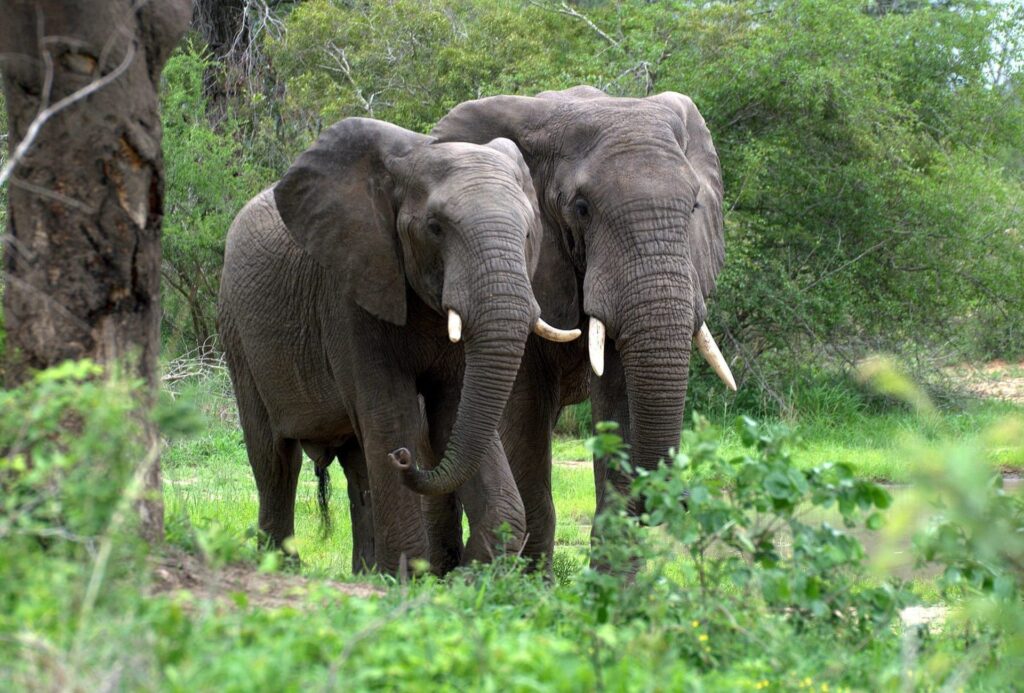
Murchison Falls National Park is Uganda’s largest protected area, covering 3,840 square kilometres along the Albertine Rift Valley. Upon entering through Kichumbanyobo Gate, you will immediately notice the remarkable change in landscape. Acacia woodlands give way to open savannah teeming with Uganda kob, Rothschild’s giraffe, African elephant, and Nile crocodile.
Arrive at your lodge by late afternoon. Enjoy sundowners on the banks of the Victoria Nile as hippos surface in the golden light.
Day 2 Tips
- Use the Nile Bridge crossing route through Pakwach; the ferry alternative can involve long waits.
- Speed limit inside Murchison Falls is strictly 40 km/h. Rangers enforce this vigorously.
- Do NOT drive after dark inside the park. Elephants on the road at night are a serious hazard.
| DAY 3
Full Day in Murchison Falls National Park Route: Game Drives + Nile Boat Cruise |
| Morning Activity | Sunrise game drive on the North Bank (6:00 AM – 9:30 AM) |
| Afternoon Activity | Nile River boat cruise to the base of Murchison Falls (2:00 PM – 5:00 PM) |
| Optional Add-on | Chimpanzee tracking in Kaniyo Pabidi Forest (book ahead, USD 90 per person) |
| Accommodation | Same as Day 2 |
Murchison Falls deserves a full day of exploration. The North Bank circuit is the park’s most productive game-viewing area. Self-drive here with your windows partially down to listen for animal movement in the acacia thickets. The park is home to all of Africa’s Big Five except the rhinoceros, which was poached to extinction but may be reintroduced in coming years.
The afternoon Nile cruise is the single most iconic activity in Murchison Falls. Your boat glides upstream through a corridor of massive Nile crocodiles sunning on mudflats, hundreds of hippos wallowing in pools, and extraordinary birdlife including the prehistoric-looking shoebill stork. The cruise ends at the base of Murchison Falls itself, where the entire force of the Nile is compressed into a 7-metre-wide gorge before crashing 43 metres downward.
Wildlife to Look For
- Lions (particularly the famous tree-climbing lions near Paraa)
- African elephants (herds of 50+ are common)
- Rothschild’s giraffe (Uganda’s tallest residents)
- Jackson’s hartebeest and Uganda kob on open grasslands
- Shoebill stork (one of Africa’s most sought-after birds)
| DAY 4
Murchison Falls to Kibale Forest National Park Route: Murchison → Fort Portal → Kibale |
| Drive Distance | ~280 km |
| Drive Duration | 6 to 7 hours via Fort Portal |
| Road Type | Mix of tarmac and gravel; some sections are winding mountain roads |
| Afternoon Activity | Afternoon walk in Bigodi Wetland Sanctuary |
| Accommodation | Primate Lodge Kibale (luxury) | Kibale Forest Camp (mid-range) | Chimpanzee Forest Guesthouse (budget) |
This is one of the most scenically rewarding drives in Uganda. Leaving the savannah behind, you ascend into Uganda’s Rwenzori foothills, passing through tea estates, crater lakes, and the vibrant market town of Fort Portal. The Rwenzori Mountains, also called the Mountains of the Moon, often emerge from the clouds to the west, their glacier-capped peaks shimmering in the light.
Arrive in the Kibale area by mid-afternoon. The Bigodi Wetland Sanctuary is a community-run conservation project offering guided walks through papyrus swamp and mahogany forest. You are almost guaranteed to spot the rare red colobus monkey and L’Hoest’s monkey here, plus over 200 bird species. This short walk is a perfect afternoon activity after the day’s drive.
Driving Notes
- The road from Masindi toward Fort Portal passes through the Budongo Forest Reserve. Watch for chimpanzee road crossings.
- After Fort Portal, roads become narrower and more winding. Reduce speed and stay alert.
- Fuel up in Fort Portal before proceeding to Kibale; this is the last reliable petrol station.
| DAY 5
Chimpanzee Tracking in Kibale Forest Route: Full Day in Kibale National Park |
| Morning Activity | Chimpanzee tracking (7:00 AM start) |
| Afternoon Activity | Crater Lake tour or Kibale Primate Walk |
| Tracking Permit Cost | USD 250 per person (book through Uganda Wildlife Authority in advance) |
| Chimpanzee Success Rate | Over 90% habituation success in Kibale |
| Accommodation | Same as Day 4 |
Kibale Forest National Park is widely regarded as the premier chimpanzee tracking destination in Africa and arguably the world. The park protects an astonishing 13 species of primates within its 795 square kilometres of tropical rain forest, including the largest confirmed population of East African chimpanzees.
Tracking begins at the park headquarters in Kanyanchu. Rangers guide small groups of maximum eight people into the forest, following the chimps’ vocal calls. When you find them, you are permitted one hour in their presence. Watching a chimpanzee swing 20 metres overhead, crack open a fig with its teeth, or quietly groom a family member is an experience that stays with you for life.
The afternoon crater lake tour by road visits several of the Fort Portal Crater Lakes area, a volcanic landscape dotted with deep blue lakes. Swimming is possible at some lakes; ask your lodge staff for the safest and most scenic options.
Day 5 Tips
- Wear long trousers and closed shoes with grip. The forest floor is wet and the undergrowth is dense.
- Bring a raincoat regardless of morning sunshine. Rain comes quickly inside tropical forest.
- Do not eat, drink, or smoke within 10 metres of chimpanzees. Respiratory viruses can transfer between humans and great apes.
- Leave your camera’s camera flash disabled; it distresses the animals.
| DAY 6
Kibale to Queen Elizabeth National Park Route: Kibale → Kasese → Queen Elizabeth NP |
| Drive Distance | ~100 km |
| Drive Duration | 2 to 3 hours |
| Road Type | Tarmac to Kasese; gravel tracks inside Queen Elizabeth NP |
| Afternoon Activity | Kazinga Channel boat safari |
| Accommodation | Mweya Safari Lodge (luxury) | Bush Lodge (mid-range) | Simba Safari Camp (budget) |
Today is a relatively short drive, giving you the luxury of a relaxed morning in Kibale before departing. The road south passes through the Rwenzori foothills, with stunning views of the Mountain of the Moon range to the west. The approach into Queen Elizabeth National Park across the equator is dramatic, the landscape opening suddenly into vast open grassland bisected by the Kazinga Channel.
The Kazinga Channel, a natural waterway linking Lake George to Lake Edward, is one of Africa’s most spectacular water safari locations. An afternoon boat cruise reveals an extraordinary concentration of hippopotami (reportedly one of the highest densities in Africa), giant Nile crocodiles, African fish eagles, pink-backed pelicans, and if you are fortunate, the rare shoebill stork.
Queen Elizabeth Wildlife Highlights
- African lion (including the famous tree-climbing lions of Ishasha sector)
- African forest elephant (smaller and more secretive than savannah elephant)
- African buffalo in large herds
- Leopard (nocturnal, best spotted on evening game drives)
- 608 bird species recorded in the park
| DAY 7
Full Day in Queen Elizabeth National Park Route: Kasenyi Plains + Ishasha Tree-Climbing Lions |
| Morning Activity | Game drive on Kasenyi and Mweya peninsulas (5:30 AM start) |
| Afternoon Activity | Drive to Ishasha sector to see tree-climbing lions |
| Drive to Ishasha | ~80 km south from Mweya (1.5 hours one way) |
| Return to Lodge | By 6:00 PM at latest |
| Accommodation | Same as Day 6 |
Queen Elizabeth National Park is Uganda’s most diverse ecosystem, straddling the equator between two of Africa’s great lakes. The Kasenyi Plains sector, accessed via the Kasenyi game drive circuit, provides classic savannah game viewing. Early mornings here often yield lion sightings, particularly around the Uganda kob leks (mating arenas) where the kob gather in spectacular numbers.
The Ishasha sector in the park’s far south is world-famous as one of only two places on earth where lions regularly climb fig trees and rest in their branches. This unusual behaviour, which the Ishasha pride has practiced for generations, is thought to be a response to the dense tsetse fly population at ground level. An afternoon drive to Ishasha, although it involves a long return journey, is strongly recommended for any wildlife enthusiast.
Ishasha Tips
- Scan the thick fig trees along the Ishasha River with binoculars; lions often sleep in higher branches.
- The most productive time for tree-climbing lion sightings is late morning (9:00-11:30 AM) when lions have finished hunting.
- The Ishasha road is unpaved red murram; allow extra time during or after rain.
| DAY 8
Queen Elizabeth to Bwindi Impenetrable Forest Route: Queen Elizabeth → Buhoma / Ruhija / Rushaga |
| Drive Distance | ~120-180 km depending on sector |
| Drive Duration | 3.5 to 5 hours |
| Road Type | Gravel mountain roads; 4WD essential |
| Gorilla Trekking Permit | USD 800 per person (book 3-6 months in advance through UWA) |
| Accommodation | Mahogany Springs Lodge (luxury) | Silverback Lodge (mid-range) | Buhoma Community Rest Camp (budget) |
The drive to Bwindi is among the most spectacular in Uganda. The road climbs steadily through tea estates and small highland towns before descending into the Bwindi valley. Bwindi Impenetrable National Park is a UNESCO World Heritage Site and one of the oldest and most biologically diverse forests in Africa. Formed over 25,000 years ago, this ancient montane rain forest shelters over 400 species of plants, 120 mammals, and 350 birds.
Arrive at your lodge by early afternoon and brief yourself with the lodge manager about the following morning’s gorilla trek. Get to bed early; gorilla trekking is physically demanding and begins at first light.
Physical Preparation for Gorilla Trekking
- Treks can last between 1 and 8 hours depending on where the gorilla family has moved.
- Altitude ranges from 1,160 m to 2,607 m above sea level. Fitness matters.
- Porters are available at a recommended fee of USD 10-15 per day; hire one. They carry gear and assist on steep sections.
- Pack a light backpack with water (2 litres minimum), energy snacks, and sun protection.
| DAY 9
Gorilla Trekking in Bwindi Impenetrable Forest Route: The Experience of a Lifetime |
| Briefing Time | 7:00 AM at park headquarters |
| Group Size | Maximum 8 people per gorilla family |
| Time with Gorillas | 1 hour (strictly enforced for gorilla wellbeing) |
| Afternoon Activity | Bwindi community village walk or Batwa cultural experience |
| Accommodation | Same as Day 8 |
Gorilla trekking in Bwindi is the most celebrated wildlife experience in all of Africa. These gentle giants, so closely related to us that they share 98.3% of our DNA, live in family groups led by a dominant silverback. Bwindi currently hosts over 20 habituated gorilla families across four sectors: Buhoma, Ruhija, Rushaga, and Nkuringo, providing a range of trekking experiences from relatively gentle to steeply demanding.
At the ranger briefing, you will be assigned to a specific gorilla family, given a health check (those with fever or respiratory illness are asked to stay behind to protect the gorillas), and issued with trekking instructions. Rangers then lead you into the forest following the gorillas’ last known sleeping location. When trackers radio the sighting, anticipation builds until suddenly the dense bamboo parts and you are face-to-face with a silverback resting serenely on a forest cushion.
That one hour passes in an instant. The silverback may beat his chest, a sub-adult may tumble playfully past your feet, a mother nurses her infant. Whatever happens, the experience is deeply moving. Many travellers report it as the single greatest wildlife encounter of their lives.
Gorilla Trekking Etiquette
- Maintain a minimum 7-metre distance from gorillas at all times.
- Never make direct eye contact with the silverback; it can be interpreted as aggression.
- Move slowly and quietly. Sudden movements frighten the family and may provoke the silverback.
- Flash photography is strictly prohibited.
- If the silverback charges, stand still, look down, and do not run. Rangers are trained to manage this.
| DAY 10
Bwindi to Lake Mburo National Park and Return to Kampala Route: Bwindi → Lake Mburo → Kampala |
| Drive Distance | ~415 km total |
| Drive Duration | 7 to 9 hours with stops |
| Midpoint Stop | Lake Mburo National Park (2-3 hour visit) |
| Accommodation | Return to Kampala or overnight at Arcadia Cottages, Lake Mburo |
| Meals | Lunch at Lake Mburo; dinner in Kampala |
The final day is a long drive, but breaking it up with a mid-journey stop at Lake Mburo National Park makes it entirely manageable and adds another remarkable ecosystem to your safari portfolio. Depart Bwindi at dawn to give yourself maximum time.
Lake Mburo National Park is Uganda’s smallest savannah national park but what it lacks in size it makes up in density and diversity. It is the only park in Uganda where you can walk unescorted with a ranger among the wildlife. Zebra, impala, African buffalo, hippopotamus, and the rare eland are frequently spotted. The park’s four lakes are breeding grounds for the enormous Nile crocodile.
After your Lake Mburo experience, continue northeast toward Kampala on the busy but fast Masaka highway. Aim to arrive in Kampala before nightfall. Return your rental vehicle to the agreed drop-off point and celebrate a remarkable 10-day journey through the Pearl of Africa.
Kampala Evening Celebration Suggestions
- Dinner at Gatto Matto or Khana Khazana for excellent cuisine
- Sunset drinks at the Sky Lounge, Garden City for Kampala panoramic views
- Craft souvenirs shopping at Uganda Crafts 2000 Ltd on Buganda Road
Budget Planning: Estimated Costs
The following table provides estimated costs for a single traveller on a 10-day self-drive trip. Costs scale with group size as vehicle rental and park fees are largely fixed regardless of whether one or four people travel.
| Expense Category | Budget USD | Mid-Range USD | Luxury USD |
| Car Rental (10 days) | $700 | $1,100 | $1,800 |
| Fuel (est. 1,800 km @ avg fuel cost) | $180 | $180 | $180 |
| National Park Entry Fees | $320 | $320 | $320 |
| Gorilla Trekking Permit (1 trek) | $800 | $800 | $800 |
| Chimp Tracking Permit (1 track) | $250 | $250 | $250 |
| Accommodation (9 nights) | $360 | $900 | $3,600 |
| Boat Cruises (Nile + Kazinga) | $60 | $80 | $100 |
| Meals (10 days, self-catering some) | $150 | $400 | $800 |
| Miscellaneous & Emergency Fund | $150 | $200 | $300 |
| TOTAL (Per Person, Solo Driver) | $2,970 | $4,230 | $8,150 |
Note: Costs are approximate 2025 estimates. Gorilla permit prices are set by the Uganda Wildlife Authority and subject to change. Splitting costs with 2-4 passengers significantly reduces per-person expenditure on vehicle and fuel.
Practical Driving & Safety Tips
Road Rules and Driving Etiquette
- Uganda drives on the LEFT side of the road.
- Speed limits: 50 km/h in towns, 80 km/h on open roads, 40 km/h inside national parks.
- Police checkpoints (roadblocks) are common. Always carry your driving licence and vehicle documents.
- Pedestrians and cyclists often use the road with no lights after dark. Avoid night driving outside of towns.
- Matatu minibuses drive aggressively. Give them wide berth and never tailgate.
- Pothole avoidance is a survival skill in Uganda. Scan the road 50-100 metres ahead.
- Honk before blind corners on mountain roads to warn oncoming traffic.
Health and Safety
- Malaria is endemic in Uganda. Take prophylaxis prescribed by your doctor before departure.
- Yellow fever vaccination is mandatory for Uganda entry. Carry your yellow card.
- Drink only bottled or treated water throughout the trip.
- Sun protection is important even in highland areas where temperatures feel moderate.
- Travel insurance with medical evacuation cover is strongly recommended.
- Emergency services are limited in remote areas. Know the number of your lodge and rental company at all times.
- The Kampala emergency number is 999 (police) or 112 (general emergency).
Best Time to Visit Uganda
Uganda’s climate is broadly equatorial with two dry seasons and two wet seasons annually.
| June to September | Long dry season. Best for all game viewing and gorilla trekking. Busy period; book well in advance. |
| December to February | Short dry season. Excellent wildlife viewing with fewer tourists. Great value period. |
| March to May | Long rains. Muddy tracks; some lodges close. Lush green scenery and lower prices for those who do travel. |
| October to November | Short rains. Generally manageable; some disruption to park tracks is possible. |
Final Words: The Pearl of Africa Awaits
A 10-day self-drive through Uganda is not just a holiday. It is a journey into the heart of what remains wild and magnificent on our planet. In no other single trip can you watch a 200-kilogram silverback gorilla settle his family for the night in an ancient rain forest, see a lion 10 metres above the ground in a fig tree, listen to the Nile thunder through a 7-metre crack in the earth, and then return to a comfortable lodge for a cold Nile Special beer as the equatorial sun melts into Lake Edward.
Uganda’s people are its greatest treasure. From the ranger who spots a distant elephant with naked eyes to the community guide who teaches you the name of every bird by its song, from the lodge chef who prepares your matoke with the same pride as any five-star kitchen to the roadside vendor who waves cheerfully at your passing vehicle, you will encounter a warmth that makes every kilometre of the drive worthwhile.
Plan carefully, drive responsibly, respect the wildlife and communities you encounter, and Uganda will reward you with memories that last a lifetime.