
What Is Comprehensive Insurance in Car Hire Uganda?
If you are planning to rent a car in Uganda — whether a rugged self-drive 4×4 for Murchison Falls and Bwindi, or a chauffeur-driven Land Cruiser for a business trip in Kampala — one term will come up in every rental agreement you sign: comprehensive insurance. Understanding exactly what this cover includes, what it excludes, and how it differs from basic third-party or collision damage waiver (CDW) cover can save you thousands of dollars, and a great deal of stress, if something goes wrong on Uganda’s roads.
This guide breaks down comprehensive car hire insurance in Uganda in plain language, so you can rent with confidence and choose the right cover for your trip.
What Comprehensive Insurance Actually Means
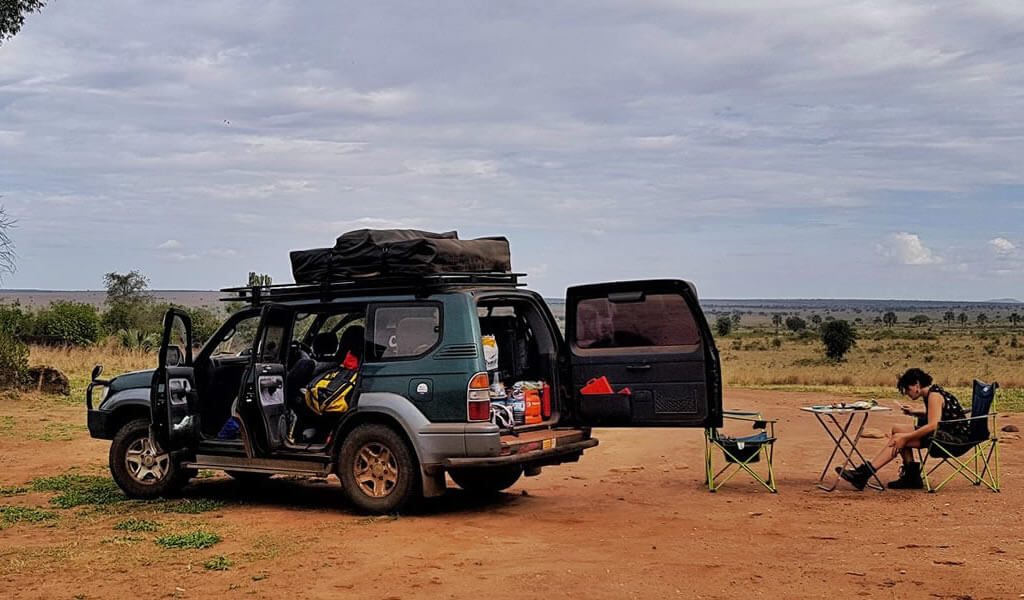
Comprehensive insurance is the broadest level of protection a car rental company in Uganda can offer. Rather than covering only damage the rented vehicle causes to other people or property (as third-party insurance does), comprehensive cover also protects the rented vehicle itself against accidental damage, and in most policies extends to theft, fire, windscreen damage, and weather-related incidents such as flooding or falling trees.
In practical terms, comprehensive insurance is what allows you to drive Uganda’s unpredictable roads — from tarmac in Kampala to the murram tracks of Kidepo Valley and the steep, rutted routes around Bwindi — without facing the full replacement cost of the vehicle if it is damaged, written off, or stolen during your rental period.
| Quick Definition
Comprehensive insurance in Ugandan car hire covers damage to the rental vehicle itself, damage or injury caused to third parties, and (depending on the provider) theft, fire, and natural-event damage — all combined into a single policy that comes bundled with, or added to, your rental agreement. |
What Comprehensive Cover Typically Includes
Coverage details vary between rental companies, so always request the policy schedule in writing. However, most comprehensive packages offered by Uganda self-drive and chauffeur rental companies include the following:
- Own-damage cover — repair or replacement costs for damage to the rented vehicle from a collision, rollover, or single-vehicle accident.
- Third-party liability — injury, death, or property damage caused to other people as a result of an accident involving the rental vehicle.
- Theft protection — cover if the vehicle is stolen during the rental period, subject to reporting requirements.
- Fire and natural-event damage — cover for fire, flooding, falling debris, or storm damage.
- Windscreen and glass cover — often included, sometimes capped at a set number of claims.
- Roadside breakdown support — many comprehensive packages bundle basic recovery or towing assistance.
What Comprehensive Insurance Usually Excludes
No comprehensive policy in Uganda is unconditional. Renters are commonly caught out by exclusions rather than by the cover itself, so read this section closely before you sign.
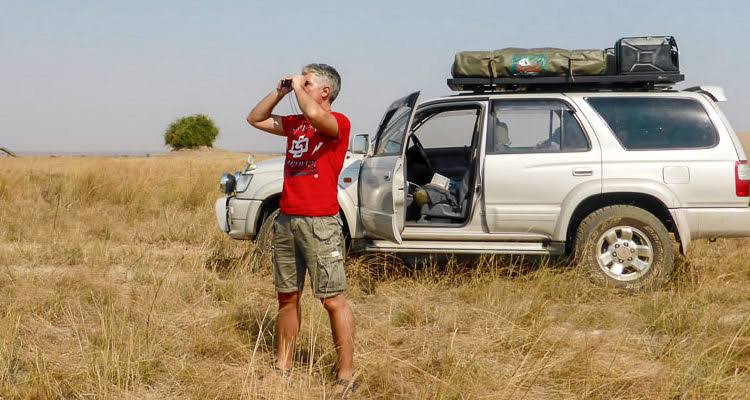
- Driving off approved routes — many policies exclude off-road damage unless you have specifically booked a 4×4 with off-road cover for parks such as Kidepo or Karamoja.
- Damage to the vehicle’s underside, tyres, and windscreen from murram or pothole roads — some providers cap or exclude this separately.
- Driving under the influence of alcohol or drugs.
- Unauthorised drivers — only named drivers on the rental agreement are covered.
- Driving outside permitted borders — cross-border trips into Rwanda, Kenya, Tanzania, or DRC without prior written authorisation and the correct COMESA yellow card.
- Negligence — leaving the vehicle unlocked, ignoring warning lights, or failing to report an incident within the required timeframe (usually 24–48 hours).
- Personal belongings — items stolen from or damaged inside the vehicle are rarely covered; travel insurance is needed separately.
| Uganda-Specific Tip
Uganda’s national parks include sections of unpaved, seasonally rough terrain. Confirm with your rental company, in writing, that your comprehensive policy covers the specific parks and routes on your itinerary — particularly Kidepo Valley, Murchison Falls’ northern circuit, and the Ishasha sector of Queen Elizabeth National Park. |
Comprehensive Insurance vs. Collision Damage Waiver (CDW)
These two terms are often used loosely, and sometimes interchangeably, by rental companies — but they are not identical, and understanding the difference matters when comparing quotes.
| Feature | Comprehensive Insurance | CDW Only |
| Covers rental vehicle damage | Yes | Yes, up to excess |
| Covers third-party injury/property | Yes | Usually separate policy |
| Covers theft of vehicle | Often included | Rarely included |
| Covers fire/weather damage | Often included | Rarely included |
| Typical excess (deductible) | Lower | Higher |
| Extra daily cost | Higher | Lower |
CDW reduces your financial liability for damage to the vehicle but usually leaves a significant excess payable out of pocket, and it does not always include theft or third-party liability. Comprehensive cover is the more complete option and is strongly recommended for longer self-drive itineraries, remote parks, and first-time drivers in Uganda.
Why Comprehensive Insurance Matters for Self-Drive Trips in Uganda
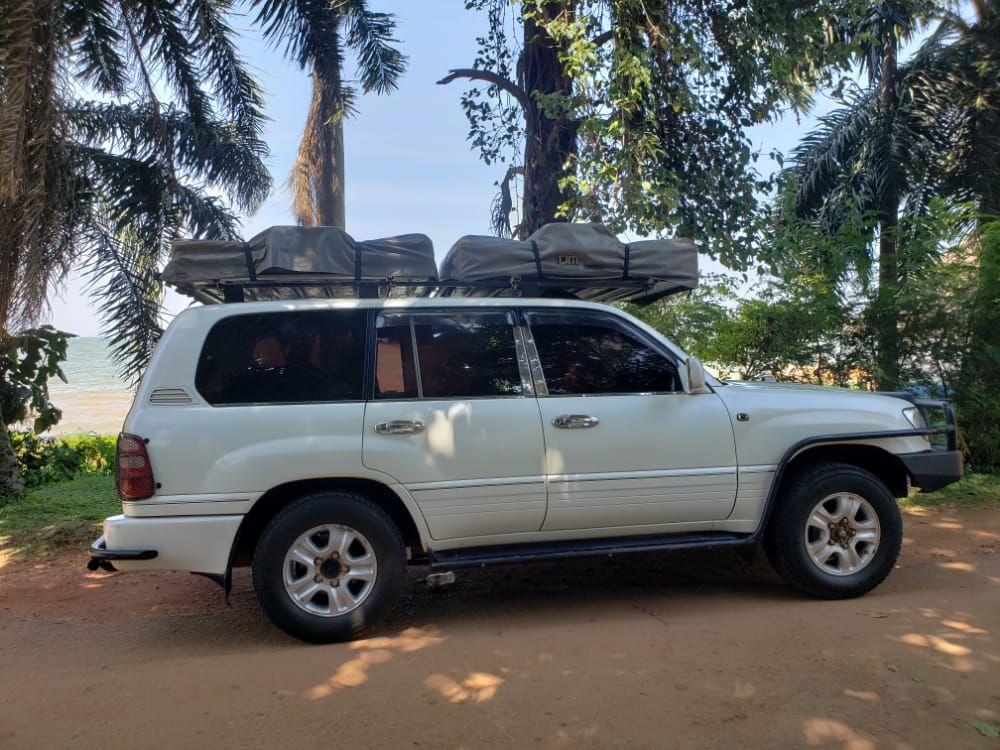
Uganda’s appeal for self-drive travellers — gorilla trekking in Bwindi, tree-climbing lions in Ishasha, boat safaris on the Nile at Murchison Falls — comes with genuine driving challenges: unmarked speed bumps, boda-boda motorcycles weaving through traffic, sudden rain that turns murram roads slick, and long stretches without mobile network coverage.
- Repair and towing costs in remote areas can be disproportionately high due to distance from service centres.
- Wildlife encounters on park roads carry a real risk of animal-related collisions, particularly at dusk.
- Rental fleets in Uganda are predominantly 4×4 vehicles (Land Cruisers, RAV4s, and similar), which are costly to repair without cover.
- Comprehensive cover gives peace of mind that a single incident will not derail the rest of a multi-week itinerary financially.
Typical Costs of Comprehensive Insurance in Uganda
Pricing varies by vehicle class, rental duration, and provider, but as a general guide, comprehensive cover in Uganda is usually charged as a daily add-on or bundled into the total rental rate, with an excess (deductible) payable in the event of a claim.
| Vehicle Type | Typical Daily Insurance Add-On | Typical Excess |
| Compact (Toyota Vitz, RAV4) | USD 10 – 20 | USD 300 – 500 |
| Mid-size 4×4 (Land Cruiser Prado) | USD 20 – 35 | USD 500 – 1,000 |
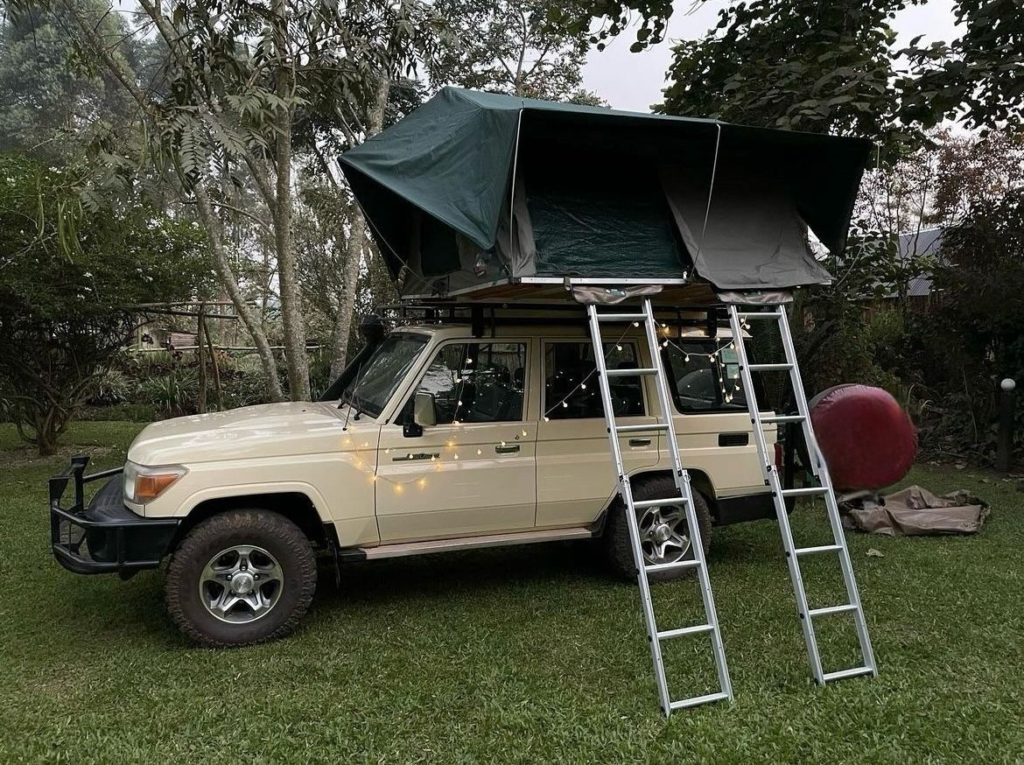
| Rooftop-tent 4×4 (Land Cruiser 76/79) | USD 25 – 40 | USD 700 – 1,200 |
Many established rental companies now include a base level of comprehensive cover in their standard daily rate, with an option to purchase a reduced-excess or zero-excess upgrade for an additional fee. Always ask for this breakdown before booking, rather than assuming insurance is included.
How to Choose the Right Cover Before You Book
- Request the insurance policy document, not just a verbal summary, before paying a deposit.
- Confirm the excess amount and whether it can be reduced with an optional upgrade.
- Ask specifically whether off-road, park, and murram-road driving is covered.
- Check if cross-border travel is permitted and what documentation (COMESA yellow card) is required.
- Clarify the claims process and reporting window in case of an accident or theft.
- Photograph the vehicle’s condition at pick-up and drop-off to avoid disputed damage claims.
| Before You Sign
Always match your itinerary to your insurance cover. A comprehensive policy that excludes national park roads offers little protection on a gorilla-trekking or Kidepo self-drive trip. Confirm route coverage in writing with your rental provider. |
Frequently Asked Questions
Is comprehensive insurance mandatory when hiring a car in Uganda?
It is not a legal requirement in the same way third-party insurance is, but almost all reputable rental companies require renters to take at least comprehensive or CDW cover as a condition of the rental agreement, given the road conditions renters typically encounter.
Does comprehensive insurance cover gorilla trekking and national park roads?
Only if the policy explicitly states it does. Many standard policies exclude off-road and unpaved park driving unless you book a package designed for self-drive safaris. Always confirm this in writing before setting off.
What happens if I have an accident and I am not covered for that road?
You would typically be liable for the full repair or replacement cost of the vehicle, in addition to any third-party claims. This is why matching your route to your policy’s terms is essential.
Can I reduce my excess on a comprehensive policy?
Many providers offer a reduced-excess or zero-excess add-on for an additional daily fee. This is worth considering for longer trips or first-time visitors driving unfamiliar roads.
Final Thoughts
Comprehensive insurance is the foundation of a stress-free self-drive or chauffeur-driven car hire experience in Uganda. It protects you financially against the realities of driving in a country with varied terrain, unpredictable weather, and long distances between service points. Before you book, take the time to read the policy in full, ask direct questions about route and off-road cover, and confirm your excess — a few minutes of diligence upfront can prevent a costly dispute later in your trip.