
Self-Drive in Queen Elizabeth National Park
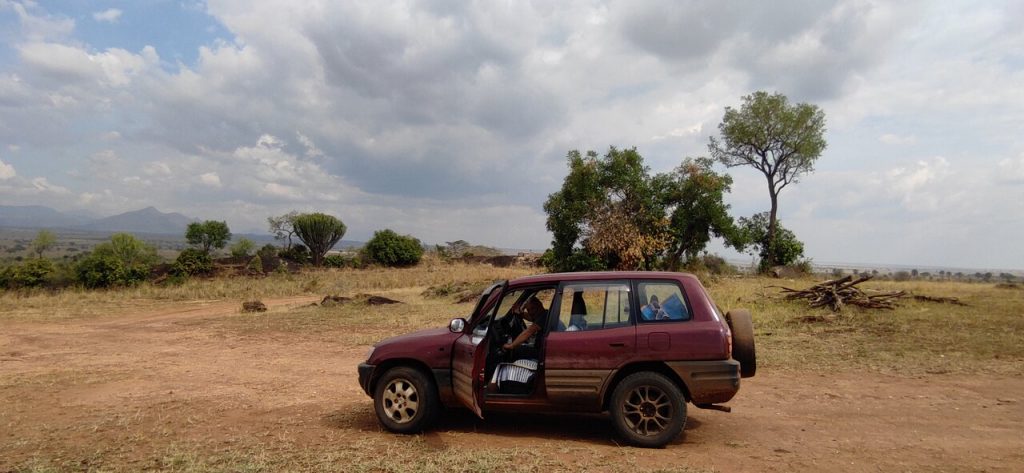
Self-Drive in Queen Elizabeth National Park, Queen Elizabeth National Park (QENP) is Uganda’s most visited savannah park, and it is also the most rewarding park in the country to explore behind your own wheel. Straddling the Kasese, Rubirizi, Rukungiri and Kamwenge districts in western Uganda, the park’s flat, well-graded murram tracks, short driving distances between game-viewing circuits, and dramatic backdrop of the Rwenzori Mountains make it genuinely accessible for a self-drive 4×4 rental — no professional driver-guide required. This guide covers exactly how to plan, budget for, and drive a self-guided safari through Queen Elizabeth National Park in 2026, from entrance fees and road conditions to the best circuits for lions, elephants and the famous tree-climbing lions of Ishasha.
Why Self-Drive Queen Elizabeth National Park?
Self-driving QENP gives you full control over your pace: linger at a lion sighting on the Kasenyi plains, stop for as many Kazinga Channel elephant crossings as you like, or push on to Ishasha without waiting on a group itinerary. The park’s road network is compact compared with Murchison Falls or Serengeti, distances between the main circuits are short (most game tracks are 10–40 km), and fuel, lodges and fresh supplies are available inside and around the park at Mweya and Katunguru. Combined with Uganda’s relatively low car-rental costs, QENP is often recommended as the easiest Ugandan park for a first self-drive safari.
Quick Facts: Queen Elizabeth National Park
|
Getting to Queen Elizabeth National Park by Road
There are two main self-drive routes from Kampala, and your choice affects both scenery and driving time:
- Kampala – Mbarara – Bushenyi – Katunguru route (about 5.5–6 hours): the faster, fully tarmacked option, entering the park through the Katunguru or Kabatoro gate near Mweya.
- Kampala – Mubende – Fort Portal – Kasese route (about 6–6.5 hours): a scenic alternative past the Rwenzori foothills and crater lakes, entering via the Katunguru or Kazinga gates, and easy to combine with Kibale Forest or Semuliki on the same trip.

Both routes are tarmac for roughly 90% of the distance, with the final stretch into the park on well-maintained murram. A 4×4 is not strictly required to reach the gates, but is strongly recommended once you are inside the park, particularly during the rainy seasons (March–May and September–November) when the black-cotton soil sections around Kasenyi and Ishasha become slippery.
Entrance Fees & Vehicle Charges (2026–2027 Tariff)
Uganda Wildlife Authority (UWA) reviews park tariffs every two years; the following rates apply for the current 2024–2026 period. Always confirm current pricing with UWA or your rental company before travel, as fees are revised periodically.
| Fee Category | Foreign Non-Resident | Foreign Resident | East African Citizen |
| Park entry (per 24 hrs) | US$40 | US$30 | UGX 20,000 |
| Self-guided game drive (per vehicle) | US$10 | US$10 | UGX 10,000 |
| Guided game drive (per person) | US$25 | US$20 | UGX 25,000 |
| Night game drive (with UWA ranger) | US$40 | US$35 | UGX 40,000 |
| Saloon car / small vehicle entry | US$30–40 | US$30–40 | UGX 20,000–30,000 |
| Chimpanzee tracking (Kyambura Gorge) | US$100 | US$80 | UGX 50,000 |
A self-guided game drive ticket lets you explore the general game tracks independently in your own vehicle, while a UWA ranger-guide can be added for a fee if you want expert spotting and interpretation — well worth it for a first visit or for tracking the Ishasha tree-climbing lions off the main circuit. Payments are largely cashless; UWA has moved to card and mobile-money payment at most gates, so carry a Visa/Mastercard and some local currency as backup.
Best Vehicle for a Queen Elizabeth Self-Drive Safari
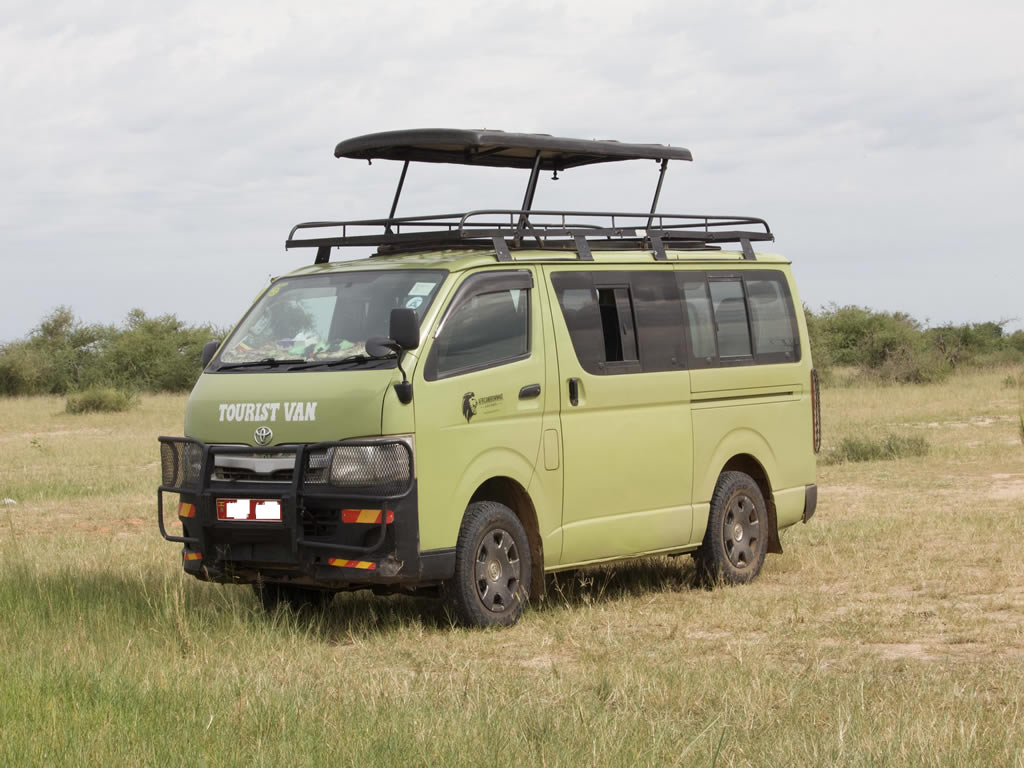
The park’s main circuits (Kasenyi Plains, Mweya Peninsula, Kazinga Channel road) are manageable in a standard 4×4 saloon-height crossover in the dry season, but a pop-top or roof-tent 4×4 is the better all-round choice for QENP because it copes with the Ishasha sector’s rougher tracks and gives you elevated game-viewing through the roof hatch.
- Toyota RAV4 or similar compact 4×4 — economical, easy to drive, ideal for couples sticking to Kasenyi and Mweya.
- Toyota Land Cruiser Prado / GX with pop-up roof — the most popular self-drive choice, comfortable on tarmac and confident on murram and the Ishasha tracks.
- Land Cruiser with rooftop tent — best for travellers combining QENP with camping at Ishasha or Kidepo-style multi-park itineraries.
Whichever vehicle you choose, confirm it comes with a functioning spare tyre, jack, jump-start cables, a snorkel or high air intake if travelling in the wet season, and a fully charged phone with offline maps — mobile signal is patchy away from Mweya.
Game-Viewing Circuits: Where to Drive
1. Kasenyi Plains — Best for Lions
The open grassland east of Kasenyi gate is QENP’s premier predator circuit and the most productive area for spotting lion prides, along with Uganda kob, buffalo, hyena and side-striped jackal. Early morning (6:30–9:00 am) game drives here give the best light and the most active predator sightings before the heat sets in.
2. Mweya Peninsula — Best for a Quick Loop
A compact network of tracks around the Mweya Safari Lodge area, good for a short drive on arrival or before departure, with regular sightings of buffalo, warthog, hippo and elephant, plus sweeping views over the Kazinga Channel.
3. Kazinga Channel — Best Boat Safari, Not a Drive
The 32 km channel linking Lake Edward and Lake George is best experienced on a two-hour UWA or lodge boat cruise rather than by road — it delivers some of the highest concentrations of hippo and elephant in Africa, plus excellent birding, and works well as a midday activity when driving heat makes game-viewing slower.
4. Ishasha Sector — Best for Tree-Climbing Lions
About 100 km south of Mweya, Ishasha is famous for lions that climb into the branches of fig trees to escape heat and tsetse flies. The sector is quieter, the tracks rougher, and a 4×4 with good ground clearance is essential, especially after rain. Because Ishasha is remote, plan to overnight nearby (Ishasha Wilderness Camp or Enjojo Lodge) rather than attempting a same-day round trip from Mweya.
5. Kyambura Gorge — Best for Chimpanzee Tracking
A dramatic rift valley gorge on the park’s eastern edge where a guided walk (not a drive) offers a chance to track a habituated chimpanzee community, alongside black-and-white colobus and red-tailed monkeys.
Sample 3-Day Self-Drive Itinerary
- Day 1: Drive from Kampala via Mbarara to Katunguru gate (5.5–6 hrs); afternoon self-guided game drive on the Mweya Peninsula; overnight at Mweya or Katunguru.
- Day 2: Early morning game drive across the Kasenyi Plains for lions and kob; midday Kazinga Channel boat cruise; afternoon transfer south to Ishasha and check in at an Ishasha-area lodge or campsite.
- Day 3: Sunrise self-drive through the Ishasha circuit tracking the tree-climbing lions; late morning departure back to Kampala or onward to Bwindi Impenetrable National Park for gorilla trekking.

This route works equally well in reverse, and can be extended to four or five days by adding a full day at Kyambura Gorge for chimpanzee tracking or a night game drive from Mweya.
Road Conditions & Driving Tips
- Stick to a maximum speed of 40 km/h on game tracks — this is both a UWA rule and essential for spotting wildlife safely.
- Never leave the designated tracks; off-road driving damages the ecosystem and is prohibited.
- Keep at least 20–25 metres from lions, elephants and buffalo, and never exit the vehicle except at designated viewpoints.
- Black-cotton soil sections near Kasenyi and Ishasha become extremely slippery in the rains (March–May, September–November); a 4×4 with good tyres is essential in these months.
- Fill up with fuel at Kikorongo, Katunguru or Kasese before entering remote sectors — there are no fuel stations inside the park itself.
- Download offline maps (Maps.me or Google Maps offline) before you travel, as network coverage inside the park is limited to Mweya and a few ridgelines.
- Carry your park ticket, driving permit and vehicle documents at all times — rangers check tickets at internal junctions.
Where to Stay for a Self-Drive Safari
| Area | Good For | Example Accommodation |
| Mweya Peninsula | Easy access to Kasenyi & Kazinga Channel | Mweya Safari Lodge, Mweya Hostel |
| Katunguru / Kazinga | Budget-friendly, close to main gate | Simple Lodge, Bush Lodge Kazinga |
| Ishasha Sector | Tree-climbing lion circuit | Ishasha Wilderness Camp, Enjojo Lodge |
| Kyambura | Chimpanzee tracking access | Kyambura Gorge Lodge |
Best Time for a Self-Drive Safari in Queen Elizabeth
The dry seasons — December to February and June to September — offer the firmest tracks and easiest self-driving conditions, along with the best game visibility as animals concentrate around the Kazinga Channel and remaining water sources. The wetter months bring lush scenery and excellent birding but require more cautious driving, particularly around Kasenyi and on the approach to Ishasha.
| Self-Drive Checklist Before You Enter the Park
• Valid international driving permit or East African driving licence • UWA park entry ticket and self-guided game drive permit • Spare tyre, jack and basic toolkit checked before departure • Full fuel tank and jerry can for remote sectors • Offline map downloaded, plus a paper map as backup • Binoculars, sunscreen, drinking water and a cooler box |
Plan Your Queen Elizabeth Self-Drive Safari
Queen Elizabeth National Park rewards travellers who want the freedom of self-drive without the logistical complexity of Uganda’s more remote parks. With a well-equipped 4×4, a realistic itinerary, and the route and safety tips above, you can independently track lions on the Kasenyi Plains, cruise the Kazinga Channel, and photograph the famous tree-climbing lions of Ishasha at your own pace. Whether you are renting a self-drive Land Cruiser from Entebbe or continuing an existing Uganda road trip, Queen Elizabeth National Park remains one of East Africa’s most accessible and rewarding self-drive safari destinations.