
Camping Gear Rental In Uganda: Renting Tents, Rooftop Tents & Full Camp Kits for Your Self-Drive Safari
Murchison Falls • Queen Elizabeth • Bwindi • Lake Mburo • Kidepo Valley
Camping Gear Rental In Uganda, Uganda has quietly become East Africa’s favourite self-drive camping destination. Rolling savannah in Murchison Falls, crater lakes near Queen Elizabeth National Park, misty ridgelines around Bwindi, and star-filled skies over Lake Mburo all sit within a day’s drive of Kampala or Entebbe — and camping is by far the most affordable, immersive way to experience them. The catch for most visitors, especially those flying in without their own equipment, is gear: where do you get a reliable tent, a rooftop tent that actually fits your rental 4×4, a stove, cool box, and camp chairs without buying everything new for a two-week trip?
That is exactly what camping gear rental in Uganda solves. A growing number of Kampala- and Entebbe-based outfitters now rent out everything from budget ground tents to fully kitted rooftop tent and 4×4 combos, so you can build a comfortable, safe camp anywhere from the Nile’s banks to the edge of the Ishasha plains. This guide breaks down what you can rent, what it costs, where to collect and return gear, and how to choose a rental company that won’t leave you stranded with a leaking tent in the middle of the bush.
Why Rent Camping Gear Instead of Buying
Unless you camp several times a year, renting almost always makes more financial and logistical sense in Uganda:
- No baggage headaches: airlines charge heavily for oversized luggage, and tents, mats, and cook sets are bulky. Renting locally means you fly in with just a daypack.
- Gear suited to Uganda’s climate: local rental companies stock tents rated for equatorial rain and humidity, not gear designed for European or American conditions.
- Cost efficiency for short trips: a 10–14 day rental typically costs a fraction of buying an equivalent tent, mattress, and kitchen set outright.
- Bundled with vehicle hire: most Ugandan self-drive companies rent 4x4s and camping gear together, often with a discount versus sourcing each separately.
- Local knowledge: rental staff know which campsites in Murchison Falls or Queen Elizabeth suit a rooftop tent versus a ground tent, and can advise on fees and permits.
| Quick Tip
Book your camping gear at the same time as your rental car. Bundled self-drive + camping packages in Uganda are usually 10–20% cheaper than hiring a vehicle and gear from two separate companies, and you collect everything in one place. |
What Camping Gear You Can Rent in Uganda
1. Ground Tents
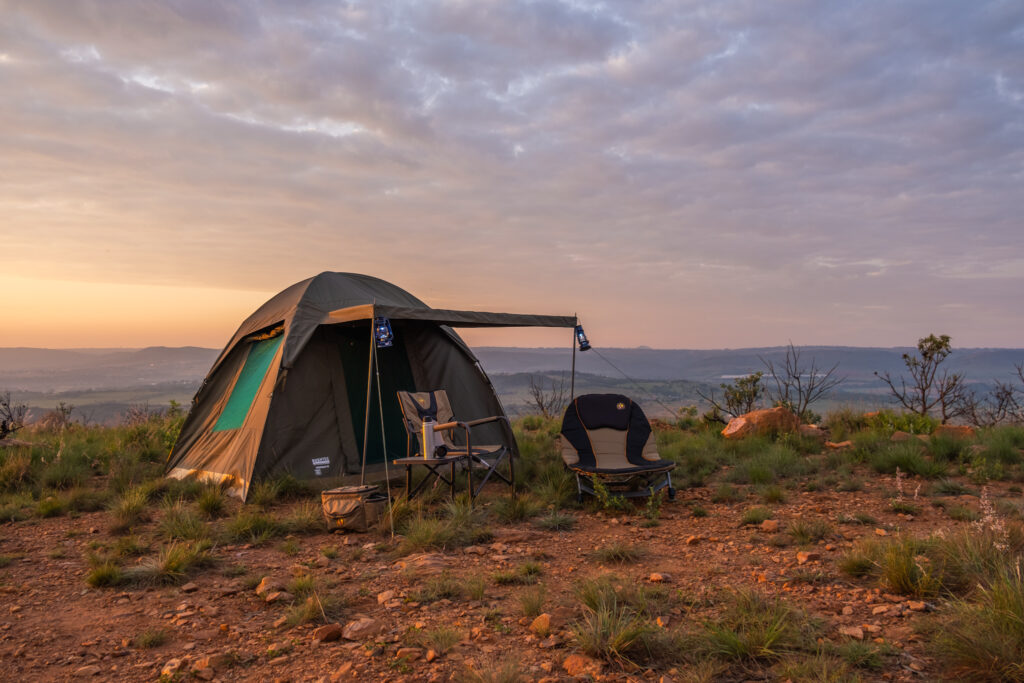
Two-to-four person dome and tunnel tents are the most commonly rented item, ideal for budget campers, backpackers, and anyone using a standard sedan or RAV4 rather than a rooftop-tent-equipped 4×4. Most rental fleets include a waterproof rainfly, groundsheet, and mesh panels for ventilation — essential during Uganda’s two rainy seasons (March–May and September–November).
2. Rooftop Tents
Rooftop tents mounted on Land Cruisers, Land Rovers, and Toyota Hiluxes have become the signature way to camp in Uganda’s parks. They lift you off the ground — a real advantage around Queen Elizabeth National Park and Murchison Falls, where hippos, buffalo, and elephants move through campsites at night — and set up in under five minutes with a fold-out ladder and built-in foam mattress. Rental companies typically rent these already mounted on a 4×4 rather than as a standalone item, since fitting requires roof rails and load bars matched to the specific vehicle.
3. Sleeping Bags, Liners & Sleeping Mats
Rentable sleeping bags are usually rated to around 5–10°C, sufficient for Uganda’s highlands (Bwindi, Kigezi) and cooler nights near Kidepo Valley, while lighter liners suit the warmer lowlands around Murchison Falls and Queen Elizabeth. Self-inflating sleeping mats or the built-in rooftop tent mattress complete the sleep setup.
4. Camp Kitchen & Cooking Equipment
A full camp kitchen rental typically includes a two-burner gas stove with a spare cylinder, a set of pots and pans, cutlery and enamel plates, a kettle, a chopping board and knife, and a basic wash basin. Some companies also rent charcoal grills for evening braais at established campsites.

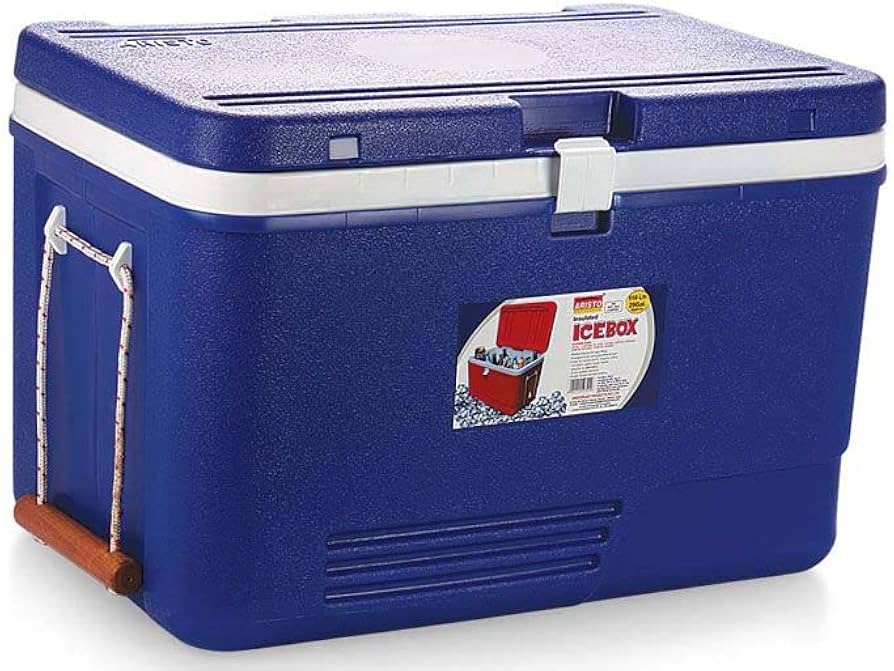
5. Cool Boxes & Fridges
For longer self-drive routes — say a 12–21 day loop through the Northern Circuit and western parks — a 12V compressor fridge/freezer that plugs into the vehicle’s cigarette lighter or a dual-battery system keeps meat, dairy, and cold drinks safe for days without needing ice. Passive cool boxes are a cheaper alternative for shorter trips.
6. Camp Furniture
Folding camp chairs, a collapsible table, and sometimes a gazebo or shade awning round out most rental packages, along with a rechargeable LED lantern or solar light for the evenings.
7. Power & Lighting
Solar panels, portable power stations, headlamps, and rechargeable lanterns are increasingly offered as add-ons, useful since most public campsites inside Uganda’s national parks have no mains electricity.
8. Full Camping + 4×4 Combo Packages
The most popular option for visitors flying into Entebbe is a single bundled package: a 4×4 (often a Land Cruiser Prado, Land Cruiser hardtop, or Toyota RAV4) fitted with a rooftop tent, paired with a complete camp kitchen, cool box, chairs, table, and lighting. This is the fastest way to be self-drive-camping-ready within hours of landing.
Where to Rent Camping Gear in Uganda
Camping gear rental is concentrated around Uganda’s main entry points and gateway towns, so you can collect close to where your trip actually begins:
- Kampala: the largest concentration of rental companies, offering the widest range of tents, rooftop-tent 4x4s, and full kitchen sets, with free or low-cost delivery to Entebbe Airport.
- Entebbe: many companies offer airport meet-and-greet handover, ideal if you’re landing and driving straight out to Murchison Falls or Lake Mburo without an overnight in Kampala.
- Kasese: convenient for travellers focusing on Queen Elizabeth National Park and the Rwenzori foothills, cutting out a long drive back to the capital to collect gear.
- Kabale: useful for Bwindi- and Mgahinga-focused itineraries in the far southwest, near the gorilla trekking trailheads.
Most established rental companies also offer one-way drop-off (for an added fee) if you’re flying out of a different point than you flew in, or ending a long loop itinerary somewhere other than Entebbe.
Camping Gear Rental Prices in Uganda (Indicative, 2026)
Prices vary by company, season, and rental duration (longer rentals bring the daily rate down significantly). The figures below are indicative ranges in US dollars to help you budget:

| Item | Daily Rate (USD) | Notes |
| 2-person ground tent | $5 – $10 | Includes rainfly and groundsheet |
| 4-person ground tent | $10 – $15 | Family-size, freestanding |
| Rooftop tent (mounted on 4×4) | $20 – $35 | Usually quoted as part of vehicle rental |
| Sleeping bag | $2 – $4 | Rated 5–10°C |
| Sleeping mat / mattress | $2 – $3 | Self-inflating or foam |
| 2-burner gas stove + cylinder | $5 – $8 | Includes one refill |
| Full camp kitchen set | $8 – $15 | Pots, plates, cutlery, kettle, basin |
| Cool box (passive) | $3 – $6 | 30–50 litre capacity |
| 12V compressor fridge/freezer | $8 – $15 | Runs off vehicle battery |
| Camp chair (each) | $1 – $2 | Folding, with armrests |
| Camp table | $3 – $5 | Folding aluminium |
| LED lantern / solar light | $2 – $3 | Rechargeable |
| Full camping + rooftop-tent 4×4 combo | $90 – $180 | Vehicle, tent, kitchen, fridge, chairs bundled |
| Budgeting Note
Most companies price camping add-ons per day but apply discounts of 10–25% for rentals beyond 7 and 14 days. Always ask for the multi-week rate rather than multiplying the daily rate, and confirm whether gas refills, generator fuel, and delivery to Entebbe are included in the quote. |
Best National Parks in Uganda for a Camping Gear Road Trip
Murchison Falls National Park
Uganda’s largest park, split by the Nile as it thunders through a narrow gorge. Riverside and savannah campsites here suit both ground tents in fenced sites and rooftop tents at more exposed spots, with excellent game viewing on the northern game drive circuit.
Queen Elizabeth National Park
Famous for tree-climbing lions in the Ishasha sector and the Kazinga Channel boat cruise. Campsites near Mweya and Ishasha are well suited to rooftop tents given regular hippo and buffalo movement at night.
Lake Mburo National Park
The closest park to Kampala and Entebbe, making it ideal for a short first or last night of camping to test your rented gear before or after a longer loop further west or north.
Bwindi Impenetrable & Kidepo Valley
Bwindi’s cooler, higher-altitude campsites call for a warmer-rated sleeping bag, while remote Kidepo Valley in the far northeast rewards travellers with dramatic mountain backdrops and some of the least-visited campsites in East Africa — plan for extra fuel and food storage given the distance from major towns.
How to Choose a Camping Gear Rental Company in Uganda
- Inspect before you leave: ask for photos or a video of the actual tent, rooftop unit, and stove you’ll receive, not stock marketing images.
- Check the rainfly and zips: Uganda’s rains are heavy; a worn rainfly or broken zip can ruin a night’s camp. Ask directly about the condition and age of the tent.
- Confirm what’s included: gas refills, a spare tyre for the vehicle, a repair kit, and a contact number for breakdowns or gear failure in the field.
- Ask about delivery and collection: most reputable companies deliver to Entebbe International Airport or a central Kampala hotel and collect at the end of your trip.
- Read recent reviews: prioritise companies with recent, verifiable reviews mentioning camping gear specifically, not just vehicle hire.
- Clarify the damage and cleaning deposit: understand exactly what counts as normal wear versus chargeable damage before you sign.
Sample Camping Gear Checklist for a Uganda Self-Drive Trip
- Tent (ground or rooftop) with rainfly and repair patches
- Sleeping bag rated for the region(s) you’re visiting, plus a liner
- Sleeping mat or confirm rooftop tent mattress condition
- 2-burner stove, spare gas cylinder, lighter/matches
- Pots, pan, kettle, plates, cups, cutlery, chopping board and knife
- Cool box or 12V fridge, plus extra ice packs for the first days
- Folding chairs and table
- LED lantern, headlamp, spare batteries or solar charger
- Basic first-aid kit and insect repellent (essential in all Ugandan parks)
- Water containers or a filter/purification tablets for topping up at camp
Frequently Asked Questions
Is it cheaper to rent camping gear or buy it before arriving in Uganda?
For trips under three weeks, renting is almost always cheaper once you factor in checked-baggage fees and the cost of gear you’ll only use once. Renting also guarantees equipment suited to Uganda’s climate.
Can I rent camping gear without also renting a 4×4?
Yes. Ground tents, sleeping bags, cook sets, and furniture can be rented as standalone items for travellers using public transport, a driver-guide, or their own vehicle. Rooftop tents, however, are almost always rented already mounted on a vehicle.
Do I need a permit to camp inside Uganda’s national parks?
Yes — camping inside Uganda Wildlife Authority-managed parks requires a camping fee paid at the park gate or booked in advance, separate from the park entrance fee. Your rental company or tour operator can usually advise on current rates and availability.
What size vehicle do I need for a rooftop tent rental?
Rooftop tents are fitted to mid-size and large 4x4s with reinforced roof rails — typically Land Cruisers, Land Rovers, and pickups such as the Hilux or Fortuner — rather than smaller SUVs like a standard RAV4.
How far in advance should I book camping gear in Uganda?
During peak dry seasons (December–February and June–September), book at least 4–6 weeks ahead, since rooftop-tent 4×4 combos in particular are limited in number and get booked out quickly.
Final Thoughts
Camping gear rental has made self-drive safari camping in Uganda genuinely accessible — you no longer need to own a rooftop tent or a camp kitchen to spend a week waking up to elephants outside Murchison Falls or hippos grunting along the Kazinga Channel. Whether you need a single ground tent for a weekend at Lake Mburo or a fully kitted rooftop-tent 4×4 for a three-week loop through the Northern and Western Circuits, matching the right gear to your route, season, and vehicle is the difference between a magical trip and a miserable, rain-soaked one. Book early, ask the right questions, and let a reputable local rental company carry the logistics so you can focus on the wildlife.