Is It Safe to Rent a Car in Uganda?
Uganda, often called the “Pearl of Africa,” is one of East Africa’s most breathtaking destinations. With Bwindi Impenetrable National Park, the Rwenzori Mountains, Queen Elizabeth National Park, and the source of the Nile all within reach, it’s no wonder that independent travelers are increasingly choosing to rent a car and explore on their own terms. But the question that looms large for most visitors is: Is it actually safe to rent a car in Uganda?
The short answer is yes — with the right preparation. Renting a car in Uganda can be a safe, rewarding, and cost-effective way to experience the country. However, it comes with unique challenges that differ significantly from driving in Europe, North America, or even other parts of Africa. This comprehensive guide covers everything you need to know — from road conditions and legal requirements to the best rental companies and practical safety tips — so you can make an informed decision.
The State of Car Rental Safety in Uganda
Uganda’s car rental industry has grown significantly over the past decade, driven by rising tourism and increased demand for flexible travel. Today, dozens of licensed rental agencies operate in Kampala and at Entebbe International Airport, offering vehicles ranging from compact sedans to heavy-duty 4×4 safari vehicles.
The general consensus among experienced travelers and travel advisories is that renting a car in Uganda is manageable but requires heightened awareness and preparation. The key risks are not primarily crime-related — they are mostly road-related. Uganda’s road network varies dramatically, from well-maintained urban highways to deeply potholed rural tracks that can challenge even the most experienced off-road drivers.
| 💡 Key Insight: According to the Uganda Road Fund (2024), approximately 64% of Uganda’s road network consists of unpaved roads. During the rainy seasons (March–May and October–November), many of these become impassable without a 4×4 vehicle. |
Conditions in Uganda: What to Expect
Urban Roads — Kampala and Major Cities
Roads within Kampala and between major urban centers like Entebbe, Jinja, Mbarara, and Gulu are generally paved and maintained. However, urban driving in Uganda — especially Kampala — presents its own challenges:
- Extreme traffic congestion, especially during morning (7–9 AM) and evening (5–8 PM) rush hours
- Aggressive driving behavior by boda-boda (motorcycle taxi) riders who weave unpredictably through traffic
- Potholed roads even within city limits, particularly in older residential areas
- Poorly marked lanes and road signs that can be confusing or absent
- Frequent speed bumps (“sleeping policemen”) that are sometimes unmarked
- Flooding during heavy rains that makes roads temporarily impassable
Inter-City and National Highways
Uganda’s main national highways — including the Kampala–Entebbe Expressway, the Kampala–Masaka highway, and the Kampala–Jinja road — are generally in reasonable condition but require vigilance:
- Highway speeds are high and overtaking maneuvers by trucks and buses can be dangerous
- Night driving is strongly discouraged due to poor or absent road lighting
- Vehicles may be parked on the road without warning lights or hazard markers
- Pedestrians and animals frequently cross highways, especially in rural sections
- Speed limits are often ignored by local drivers
Rural and Safari Roads
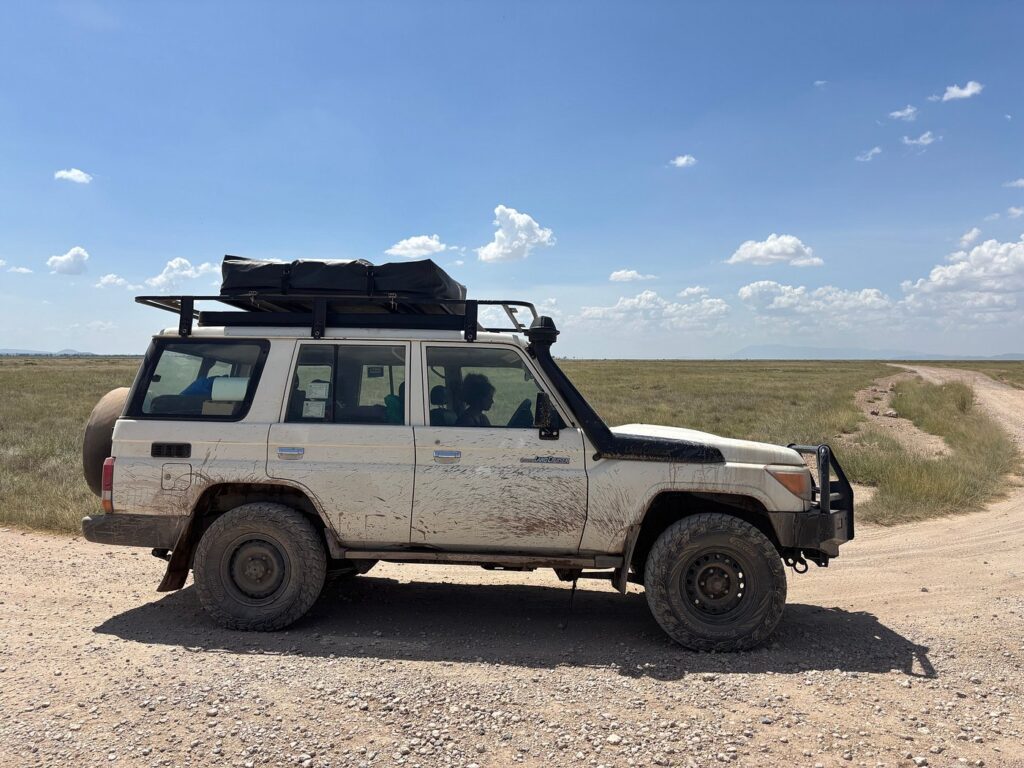
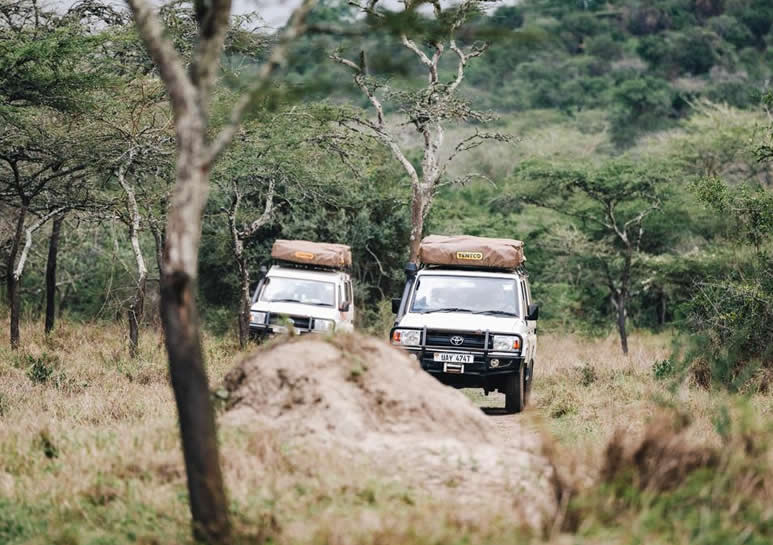
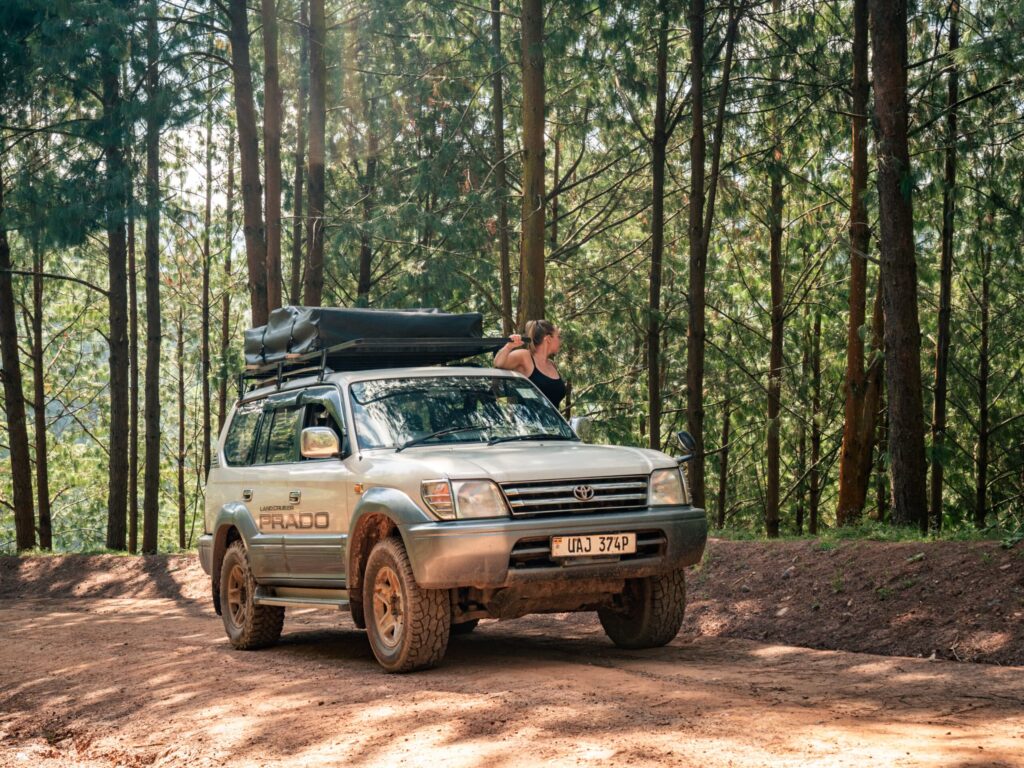
If your journey takes you to Uganda’s national parks or rural areas, you will almost certainly encounter unpaved, deeply corrugated, or muddy roads. A 4×4 vehicle with high clearance is not optional — it is essential. Roads to popular destinations such as Bwindi Impenetrable Forest, Kidepo Valley National Park, and Kibale National Park can be rugged, especially after rainfall.
| Destination | Road Condition Assessment |
| Bwindi Impenetrable Forest | Largely unpaved; 4×4 essential year-round |
| Queen Elizabeth National Park | Mix of paved and dirt; manageable in dry season |
| Murchison Falls National Park | Paved approach; rough tracks inside the park |
| Kidepo Valley National Park | Remote; very rough tracks; 4×4 strongly advised |
| Kibale National Park | Mixed; some sections challenging in wet season |
| Lake Mburo National Park | Relatively accessible; good for 2WD in dry season |
| Rwenzori Mountains | Extremely rugged; specialist vehicles recommended |
Legal Requirements for Renting a Car in Uganda
Driver’s License
To legally rent and drive a car in Uganda, you need a valid driver’s license. The following are accepted:
- A valid Ugandan driver’s license (if you are a resident)
- A valid foreign driver’s license from your home country (accepted for up to 90 days for tourists)
- An International Driving Permit (IDP) — highly recommended alongside your national license, as some rental companies and police checkpoints may require it
Uganda is a signatory to the Geneva Convention on Road Traffic (1949), which means international driving permits issued under this convention are legally recognized. It is strongly advised to obtain an IDP before traveling.
Minimum Age Requirements
Most car rental companies in Uganda require drivers to be at least 23 years of age. Some companies may accept drivers aged 21–22 but will charge a young driver surcharge. A minimum of 2–3 years of driving experience is typically required.
Traffic Laws and Regulations
Uganda drives on the left-hand side of the road, following British road rules — a legacy of colonial administration. Key traffic laws include:
- Speed limits: 50 km/h in urban areas; 80 km/h on highways; 30 km/h in school zones
- Seat belts are compulsory for all occupants in the front and rear
- Mobile phone use while driving is illegal unless using a hands-free device
- Drink-driving limit: Blood Alcohol Content (BAC) of 0.08% — though zero tolerance is advisable
- Children under 12 must not sit in the front passenger seat
- Vehicles must carry a first aid kit, fire extinguisher, and warning triangles
| ⚠️ Important: Police roadblocks and checkpoints are common throughout Uganda. Always carry your driving license, passport, vehicle registration, and insurance documents. Cooperate calmly and professionally at checkpoints. Unofficial ‘on-the-spot fines’ (i.e., bribes) are sometimes requested — you are entitled to request an official ticket and pay at the relevant authority. |
Insurance: What You Need and What to Watch Out For
Insurance is one of the most critical aspects of renting a car in Uganda. Do not skip this section.
Third-Party Liability Insurance
Third-party liability insurance is mandatory by Ugandan law for all vehicles on the road. Any legitimate rental company will include this in the rental agreement. This covers injury or damage caused to third parties (other drivers, pedestrians, property).
Collision Damage Waiver (CDW)
CDW reduces your financial liability if the rental vehicle is damaged. However, it almost always comes with a significant deductible (excess). Read the terms carefully, as:
- Many policies exclude damage to tyres, windshields, the undercarriage, and the roof
- Off-road damage is frequently excluded — critical if you are driving in national parks
- The deductible can range from USD 500 to USD 2,000 or more
Comprehensive Coverage
For safari and off-road driving, comprehensive coverage that specifically includes off-road use is strongly recommended. Confirm in writing that the policy covers the specific terrain you plan to drive on. Some premium rental companies offer all-inclusive packages with zero excess — these are worth the higher daily rate for peace of mind.
Choosing a Safe and Reputable Car Rental Company
The quality of car rental companies in Uganda varies widely. Choosing a reputable company is one of the most important decisions you will make. Here is what to look for:
Key Criteria for Selecting a Rental Company
- Licensing and registration: Ensure the company is registered with the Uganda Tourism Board (UTB) and the Uganda Revenue Authority (URA)
- Vehicle age and maintenance: Ask how old the vehicles are. Reputable companies maintain fleets under 5 years old
- 24/7 roadside assistance: Essential for remote travel
- Clear rental agreement: All terms, including insurance details, should be in writing
- GPS devices: Available or included, particularly important in areas with poor signage
- Spare tyres and equipment: Should include at least one full-size spare, jack, and tool kit
- Customer reviews: Check Google Reviews, TripAdvisor, and SafariBookings for verified feedback
Self-Drive vs. Chauffeur-Driven Options
Many travelers to Uganda opt for a chauffeur-driven rental, especially for safari trips. This option pairs you with an experienced local driver who knows the roads, terrain, and national park protocols intimately. While more expensive than self-drive, it significantly reduces risk and often enhances the overall experience.
| Factor — Self-Drive | Chauffeur-Driven |
| Cost | Lower daily rate |
| Flexibility | Maximum freedom and control |
| Road Knowledge | Requires navigation skills |
| Safety | Dependent on your skill and alertness |
| Night Driving | High risk — not recommended |
| Best For | Experienced off-road drivers |
| Stress Level | Higher in challenging terrain |
Practical Safety Tips for Driving in Uganda
Before You Drive
- Inspect the vehicle thoroughly before signing any paperwork and document existing damage with photos/video
- Confirm that all lights, brakes, and the horn are functioning properly
- Verify the spare tyre is present and properly inflated
- Download offline maps (Google Maps or Maps.me) as mobile data can be unreliable in remote areas
- Share your itinerary with someone you trust — include expected arrival times and overnight stops
- Carry sufficient cash as many rural areas have no ATM or card payment facilities
While Driving
- Always drive on the left side of the road
- Avoid driving after dark whenever possible — road hazards are significantly more dangerous at night
- Be especially cautious of boda-bodas — they are the leading cause of road accidents in Uganda
- Reduce speed significantly when passing through villages and market areas
- Keep windows up and doors locked when driving through urban areas
- Do not drive through floodwater — depth is often impossible to judge accurately
- Stay alert for stray animals, children, and pedestrians crossing roads unexpectedly
- Use hazard lights when slowing down suddenly or if your vehicle breaks down
Emergency Preparedness
- Save the emergency numbers: Uganda Police (999), Ambulance (0800 999 000), and your rental company’s 24/7 line
- Carry a basic first aid kit in addition to any provided by the rental company
- Keep a charged power bank for your phone
- Carry extra drinking water, especially for remote routes
- Know the location of the nearest hospital on your route
Common Scams and How to Avoid Them
While Uganda is generally a safe destination, travelers should be aware of a few common issues related to car rental:
- Undisclosed damage charges: Always photograph the vehicle inside and out before and after rental, and get a written sign-off on condition
- Fuel disputes: Confirm whether the vehicle is provided full-to-full or on a different arrangement, and document the fuel level at pickup
- Unofficial checkpoints: Stick to official police checkpoints only; if unsure, you can ask to drive to the nearest police post
- Inflated ‘on-the-spot fines’: Request an official ticket and pay at the police station if you believe a fine is unjustified
- Unlicensed operators: Only rent from companies with verifiable addresses, phone numbers, and online presence
Cost of Renting a Car in Uganda (2025 Estimates)
Car rental prices in Uganda vary based on vehicle type, rental duration, and whether a driver is included. Below are approximate daily rates:
| Vehicle Type | Approximate Daily Rate |
| Economy Sedan (e.g., Toyota Corolla) | USD 40 – 60 / day |
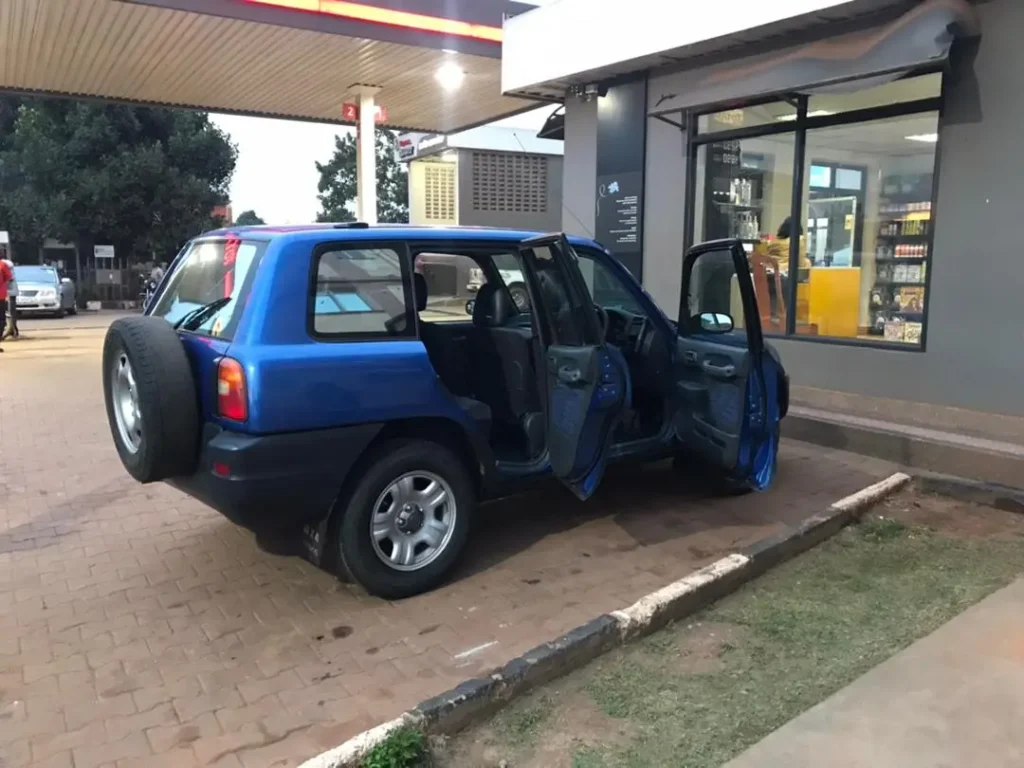
| Mid-size SUV (e.g., Toyota RAV4) | USD 65 – 90 / day |
| 4×4 Safari Vehicle (e.g., Land Cruiser) | USD 100 – 180 / day |
| Minivan / People Carrier (7–9 seats) | USD 80 – 130 / day |
| Driver/Chauffeur Fee (additional) | USD 25 – 50 / day |
| Airport surcharge (Entebbe) | USD 10 – 30 (one-time) |
| CDW Insurance (if not included) | USD 15 – 30 / day |
Note: Prices may be higher during peak tourist seasons (June–August and December–January). Always request a fully itemized quote before confirming your booking.
Special Considerations for Safari Driving
If you plan to drive within Uganda’s national parks yourself, there are specific rules and safety considerations you must follow:
- All vehicles entering national parks must pay a vehicle entry fee (currently UGX 30,000 / approximately USD 8 per vehicle per entry)
- Speed limits inside national parks are typically 40 km/h or lower to protect wildlife
- Leaving your vehicle is prohibited in most areas unless specifically permitted by a ranger
- Off-road driving outside designated tracks is forbidden and can result in heavy fines
- Driving at night inside national parks is generally not permitted for safety reasons
- A 4×4 vehicle with high ground clearance is not just recommended — it is required for most safari routes
| 🌿 Pro Tip: For gorilla trekking in Bwindi, the road leading to the park headquarters at Buhoma can be extremely challenging even in a 4×4 vehicle after rain. Hiring a local driver who knows this road well can save hours and prevent dangerous situations. |
Is Renting a Car in Uganda Right for You?
Ultimately, the decision to rent a car in Uganda depends on your experience level, travel style, and planned itinerary. Here is an honest assessment:
| ✅ Renting a car is a great option if you:
• Have experience driving in developing countries or off-road environments • Are comfortable navigating in areas with limited signage • Plan to visit multiple destinations and value flexibility • Travel in a group, making the cost per person competitive with guided tours • Are visiting well-paved destinations (Entebbe, Jinja, Kampala suburbs) |
| ❌ Consider a guided tour or chauffeur if you:
• Have never driven in Africa before • Are uncomfortable navigating without reliable GPS or mobile data • Plan to visit remote national parks like Kidepo or Bwindi in rainy season • Are traveling solo and have no one to share driving fatigue with • Want to focus entirely on the wildlife and landscape experience |
Conclusion
Renting a car in Uganda is absolutely safe and feasible — provided you go in with the right knowledge, the right vehicle, and the right mindset. The country’s road network, while improving, still demands respect and preparation. The rewards, however, are immense: the freedom to explore gorilla forests at dawn, to stop at a roadside market, to watch elephants crossing the track ahead of you, or to take the scenic route through the Rift Valley escarpment on your own schedule.
Uganda’s people are warm, welcoming, and generally very willing to help travelers who find themselves in difficulty. Road signage is improving, mobile connectivity is available across most major routes, and a growing number of professional, reputable rental companies offer excellent vehicles and support.
Prepare thoroughly, drive defensively, respect the terrain and traffic conditions, choose a reputable rental company, and invest in proper insurance. Do these things, and your Ugandan road trip will be among the most memorable journeys of your life.