
Volcanoes National Park, Rwanda
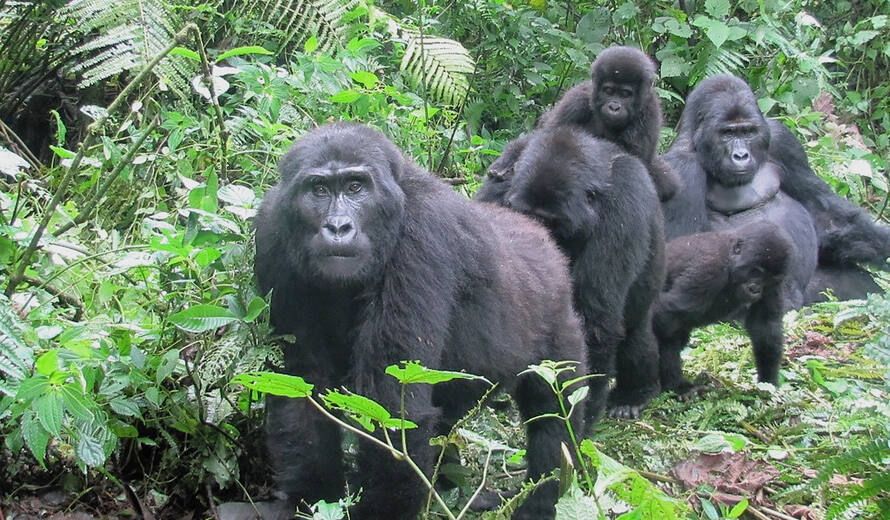
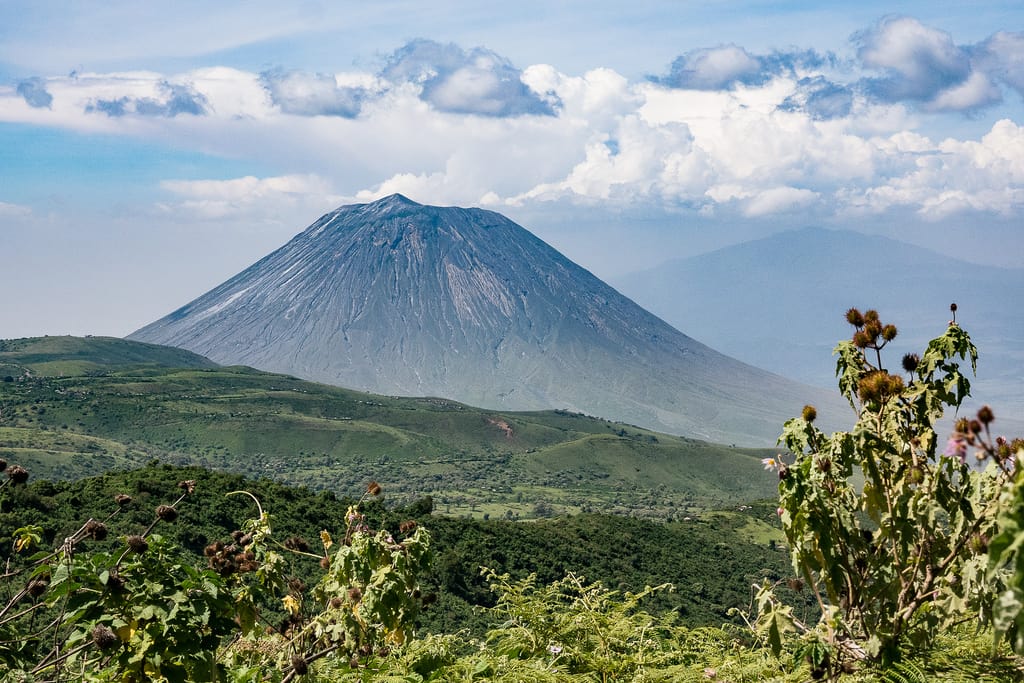
Volcanoes National Park (Parc National des Volcans) is Rwanda’s most famous protected area and one of the greatest wildlife destinations on Earth. Tucked into the northwestern corner of the country along the Virunga Massif, this small but extraordinary park is home to roughly a third of the world’s remaining mountain gorillas, a thriving population of endangered golden monkeys, and five of the eight volcanoes that give the range its name. For travelers planning a Rwanda safari, Volcanoes National Park gorilla trekking is almost always the centerpiece of the trip — and for good reason. Few wildlife encounters anywhere in the world compare to sitting a few meters from a wild gorilla family in the misty bamboo forest below Mount Bisoke.
This guide covers everything you need to plan a visit: where Volcanoes National Park is located, how much a gorilla trekking permit costs in 2026, the best time to visit, how to book, what else there is to do besides gorilla trekking, where to stay, what to pack, and answers to the most common questions travelers ask before booking a trip to this iconic Rwandan national park.
| Quick Facts: Volcanoes National Park
• Location: Northwestern Rwanda, near Musanze (Ruhengeri), bordering the DRC and Uganda • Size: Approximately 160 sq km (part of the larger Virunga Massif ecosystem) • Established: 1925 (one of Africa’s oldest national parks) • Famous for: Mountain gorilla trekking, golden monkey trekking, volcano hiking • Gorilla permit price: US $1,500 per person (2026 standard rate) • Nearest town: Musanze / Kinigi park headquarters • Distance from Kigali: About 100–110 km, roughly 2–2.5 hours by road • Best time to visit: June–September and December–February (dry seasons) |
Where Is Volcanoes National Park Located?
Volcanoes National Park sits in the extreme northwest of Rwanda, in the Musanze and Burera districts, roughly 100 to 110 kilometers from the capital, Kigali. The park forms the Rwandan portion of the Virunga Massif, a chain of eight volcanoes that stretches across the borders of Rwanda, Uganda, and the Democratic Republic of Congo. On the Ugandan side, the same ecosystem continues into Mgahinga Gorilla National Park, while the Congolese side is protected as Virunga National Park.
The park headquarters and trekking briefing point is in Kinigi, a small town about 15 minutes’ drive from Musanze. Most lodges, gorilla trekking briefings, and ranger stations are centered around Kinigi, making it the logical base for any visit to Volcanoes National Park.
Getting to Volcanoes National Park
The drive from Kigali International Airport to Volcanoes National Park takes approximately two to two and a half hours on a well-maintained, tarmacked road, making it one of the most accessible gorilla trekking destinations in Africa compared with Uganda’s Bwindi Impenetrable Forest, which typically requires a much longer overland transfer or a domestic flight.
- By road: Self-drive or private transfer via the RN4 highway from Kigali through Base and Ruhengeri to Kinigi — roughly 100–110 km.
- By organized tour: Most tour operators include return transport from Kigali as part of a gorilla trekking package.
- By air: Charter flights and helicopter transfers to Kinigi are available for travelers seeking a faster, scenic alternative
Best Time to Visit Volcanoes National Park
Rwanda has two dry seasons and two rainy seasons, and while gorilla trekking is possible year-round (permits are valid in any month), trail conditions and visibility are noticeably better in the dry months.
| Season | Months | Conditions |
| Long dry season | June – September | Best trekking conditions; firmer trails, clearer skies, peak season — book permits early |
| Short dry season | December – February | Good trekking conditions; fewer crowds than June–September |
| Short rains | October – November | Green landscapes, occasional afternoon showers, lower rates at some lodges |
| Long rains | March – May | Muddy, slippery trails; lush scenery; lowest visitor numbers and some discounted rates |
Because gorilla families move daily within the forest, trekking difficulty depends as much on which family you are assigned as it does on the season. Even in the rainy months, treks can be short and easy — or long and steep — depending on where the gorillas are feeding that day.
Gorilla Trekking in Volcanoes National Park
Gorilla trekking is the single biggest draw to Volcanoes National Park. Rwanda is home to roughly a dozen habituated gorilla families available for tourism, each with its own personality, size, and typical trekking difficulty. Groups are capped at eight visitors per gorilla family per day, and each trek is accompanied by armed rangers, trackers, and an experienced guide.
Gorilla Trekking Permit Cost in Rwanda
| Permit Type | Price (per person) | Notes |
| Standard gorilla trekking permit | US $1,500 | Valid for one hour with a habituated gorilla family |
| Gorilla Habituation Experience | US $1,500 | Up to four hours with a semi-habituated family (limited availability) |
| East Africa resident rate | Discounted (varies) | Available to citizens and residents of EAC member states |
| Rwandan national rate | Heavily discounted | Available to Rwandan citizens with valid ID |
Permits are issued by the Rwanda Development Board (RDB) and should be booked well in advance — often 3 to 6 months ahead for the peak June–September and December–February windows, since only around 96 permits are issued per day across all habituated families.
How to Book a Gorilla Trekking Permit
- Book directly through the Rwanda Development Board (RDB) website or an authorized RDB agent.
- Book through a licensed Rwandan tour operator, who can bundle permits with transport and accommodation.
- Pay in full at the time of booking; permits are non-transferable and tied to your passport details.
- Arrive at the Kinigi park headquarters by 7:00 a.m. on trek day for briefing and group allocation.
What to Expect on a Gorilla Trek
Trekking days begin with an early morning briefing at Kinigi park headquarters, where visitors are organized into groups of a maximum of eight and assigned to a specific gorilla family based on fitness level and trekking preference. Trackers head out ahead at dawn to locate the gorillas, allowing guides to lead a fairly direct route once the group sets off. Treks can last anywhere from 30 minutes to several hours each way depending on where the family is feeding, with the actual time spent observing the gorillas fixed at one hour by park regulation.
| Gorilla Trekking Rules
• Minimum age for gorilla trekking is 15 years old • Maintain at least 7 meters (about 21 feet) distance from the gorillas at all times • Do not trek if you have a cold, flu, or other contagious illness — gorillas are highly susceptible to human diseases • No flash photography is permitted • Maximum group size per gorilla family is 8 visitors, for one hour of viewing |
Golden Monkey Trekking
Volcanoes National Park is one of only a handful of places in the world where visitors can trek endangered golden monkeys. These striking, acrobatic primates live in large troops of 30 to 100 individuals in the bamboo zones of the park and are considerably easier to trek than gorillas, with treks typically lasting one to two hours round trip on gentler terrain.
- Golden monkey permit cost: approximately US $100 per person
- Duration of viewing: one hour with the habituated troop
- Difficulty: easier than gorilla trekking, suitable for most fitness levels
- Often combined with gorilla trekking as a two-day activity package
Other Activities in Volcanoes National Park
Dian Fossey Tomb Hike
A moderately challenging hike leads through bamboo forest to the Karisoke Research Center and the tomb of Dian Fossey, the American primatologist who dedicated her life to studying and protecting Rwanda’s mountain gorillas. The hike takes roughly two to three hours each way and offers insight into decades of gorilla conservation history, alongside the graves of several gorillas Fossey studied, including her favorite, Digit.
Volcano Hiking: Bisoke, Karisimbi & Muhabura
| Volcano | Elevation | Hike Difficulty & Duration |
| Mount Bisoke | 3,711 m | Moderate; 6–7 hours round trip; crater lake at the summit |
| Mount Karisimbi | 4,507 m | Very strenuous; 2-day summit hike with overnight camping |
| Mount Muhabura | 4,127 m | Strenuous; full-day hike; less frequently climbed |
Musanze Caves & Twin Lakes
Just outside the park, the Musanze Caves offer an easy half-day excursion through volcanic lava tunnels, while the nearby twin lakes of Burera and Ruhondo make for a scenic and relaxed add-on to a gorilla trekking itinerary, popular for canoe trips and lakeside walks.
Cultural Visits
- Iby’Iwacu Cultural Village: traditional dance, storytelling, and demonstrations by former poachers turned conservationists
- Local community walks around Kinigi and Musanze
- Batwa cultural experiences highlighting the region’s original forest-dwelling community
Wildlife & Biodiversity
Beyond its famous mountain gorillas and golden monkeys, Volcanoes National Park protects a rich Afromontane ecosystem of bamboo forest, open grassland, swamp, and heath that supports over 200 bird species — including several Albertine Rift endemics — along with forest buffalo, black-fronted duiker, spotted hyena, and occasional forest elephant, though sightings of the larger mammals are far less predictable than the primates.
Where to Stay Near Volcanoes National Park
| Category | Example Lodges | Approx. Price Range (per night) |
| Ultra-luxury | Bisate Lodge, Singita Kwitonda, One&Only Gorilla’s Nest | US $1,200 – $3,000+ |
| Luxury / mid-range | Virunga Lodge, Mountain Gorilla View Lodge, Five Volcanoes Boutique Hotel | US $300 – $900 |
| Budget / mid-market | Kinigi Guest House, Da Vinci Hotel Volcanoes, community guesthouses | US $60 – $180 |
Nearly all accommodation options are concentrated around Kinigi and Musanze, within a 10–30 minute drive of the park headquarters, making early morning trekking briefings easy to reach regardless of budget.
What to Pack for Gorilla Trekking
| Gorilla Trekking Packing List
• Waterproof hiking boots with ankle support • Waterproof jacket or poncho (weather changes quickly at altitude) • Long-sleeved shirt and long trousers (protection from nettles and vegetation) • Gardening gloves (for gripping vegetation on steep sections) • Gaiters (optional but useful against stinging nettles and mud) • Sun hat, sunglasses, and sunscreen • Insect repellent • Daypack with 1–2 liters of water and energy snacks • Camera without flash; binoculars for birdwatching • Cash (Rwandan francs or USD) for porter tips and souvenirs |
Health & Safety Considerations
- Yellow fever vaccination is required for entry into Rwanda if arriving from an endemic country.
- Anti-malarial precautions are recommended, though Volcanoes National Park’s high altitude means lower malaria risk than lowland parks.
- Altitude can affect fitness levels; the park sits between roughly 2,400 and 4,500 meters.
- Travelers with any cold, flu, or contagious illness will not be permitted to trek, to protect the gorillas.
- Hiring a porter (around US $15–20) is strongly encouraged; it supports the local community and eases the trek.
Sample 3-Day Volcanoes National Park Itinerary
| Day | Activity |
| Day 1 | Arrive Kigali, transfer to Musanze/Kinigi (2–2.5 hrs), check in, relax at lodge |
| Day 2 | Morning briefing at Kinigi HQ, gorilla trekking, afternoon at leisure or Musanze Caves |
| Day 3 | Golden monkey trekking or Dian Fossey tomb hike, transfer back to Kigali |
Travelers combining Rwanda with Uganda often extend this itinerary to include Bwindi Impenetrable Forest or Lake Kivu, while those continuing south sometimes pair Volcanoes National Park with a broader East Africa self-drive safari itinerary through Tanzania and beyond.
Frequently Asked Questions
How much does it cost to trek gorillas in Rwanda?
A standard gorilla trekking permit in Rwanda costs US $1,500 per person, covering park entry, ranger and tracker services, and one hour with a habituated gorilla family.
Is gorilla trekking in Volcanoes National Park dangerous?
Gorilla trekking is considered very safe when park rules are followed. Mountain gorillas are generally calm around habituated groups of visitors, and experienced rangers and trackers accompany every trek. The greatest physical risk comes from the terrain itself — steep, muddy, and occasionally slippery trails — rather than the animals.
What is the minimum age for gorilla trekking?
The Rwanda Development Board sets a strict minimum age of 15 years old for gorilla trekking permits.
Where is the cheapest place to go gorilla trekking?
Uganda’s Bwindi Impenetrable Forest and Mgahinga Gorilla National Park offer lower permit prices than Rwanda, typically around US $700–800 per person, making Uganda the more budget-friendly gorilla trekking destination, while Rwanda’s Volcanoes National Park is positioned as the premium, more accessible option.
How do I book a gorilla trekking permit in Rwanda?
Permits can be booked directly through the Rwanda Development Board or through a licensed Rwandan tour operator, who can also arrange transport, accommodation, and porters. Booking several months in advance is strongly recommended for the June–September and December–February peak seasons.
Can I combine gorilla trekking with other Rwanda safari activities?
Yes. Many travelers combine gorilla and golden monkey trekking with a visit to the Dian Fossey tomb, a volcano hike, Lake Kivu, or Akagera National Park for a broader Rwanda safari experience.
Final Thoughts
Volcanoes National Park remains one of the most rewarding and accessible wildlife destinations in Africa. With a short drive from Kigali, well-organized permit systems, comfortable lodging options across every budget, and the unforgettable experience of sitting quietly beside a wild mountain gorilla family, it’s easy to see why this small corner of Rwanda draws travelers from around the world. Whether the focus is gorilla trekking, golden monkeys, a volcano summit, or simply the scenery of the Virunga Massif, Volcanoes National Park delivers an experience that stays with visitors long after they leave the mist-covered slopes behind.