
Why 4×4 Rooftop Tent Rentals Are Trending in Uganda
A complete 2026 guide to Uganda’s fastest-growing way to self-drive safari — from the Pearl of Africa’s rental fleets to Murchison Falls, Queen Elizabeth, Kidepo and beyond.
Why 4×4 Rooftop Tent Rentals Are Trending in Uganda, Ask any overlander who has driven through Uganda in the last two years what changed, and they’ll point to the roof of their vehicle. Rooftop tents — once a niche accessory for hardcore off-roaders — have become one of the most requested add-ons at self-drive rental companies in Kampala, Entebbe and Jinja. Travellers are trading hotel bookings and safari lodges for a canvas tent bolted to a Land Cruiser, and the trend shows no sign of slowing down.
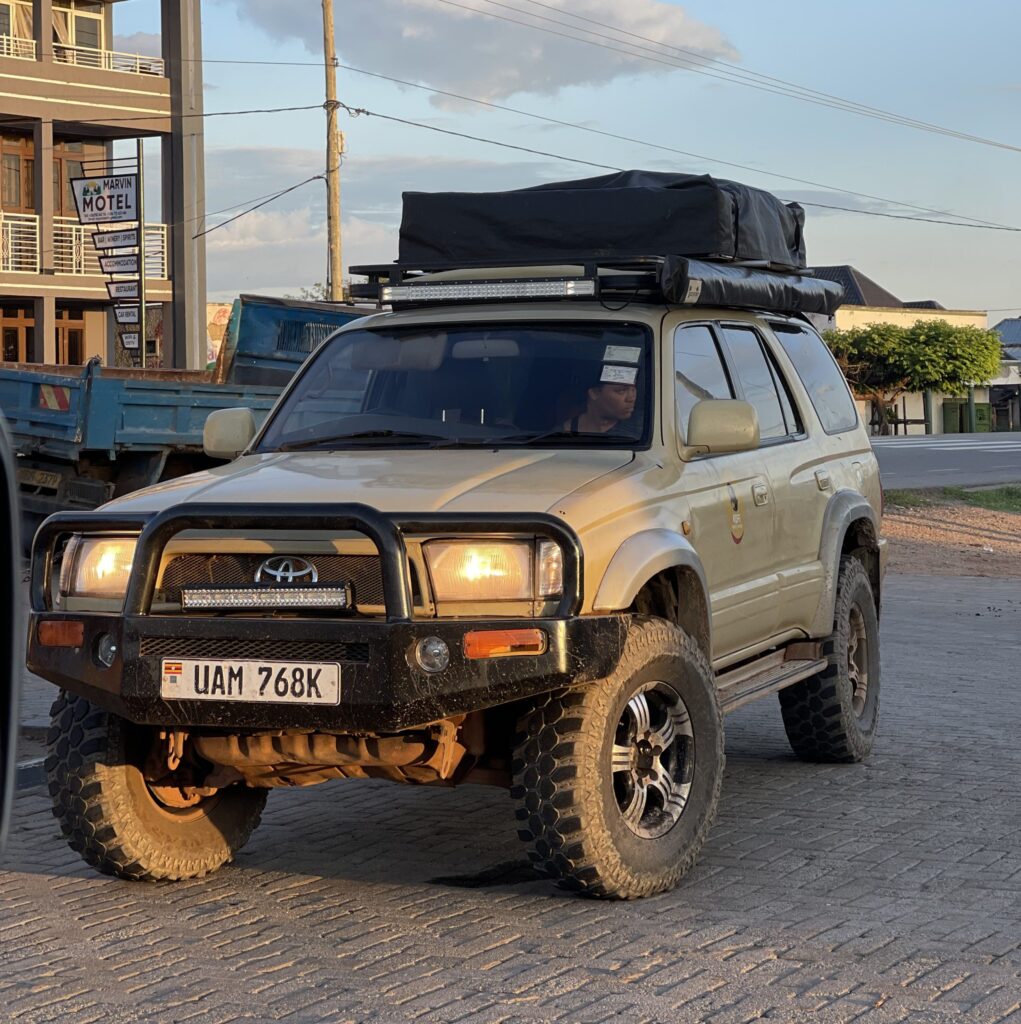
This guide breaks down exactly why 4×4 rooftop tent rentals are booming in Uganda right now, what it costs, which vehicles work best, and how to plan a trip that makes the most of this uniquely African way to travel.
| Quick Answer
Rooftop tent rentals are trending in Uganda because they combine the freedom of self-drive travel with the affordability of camping, added safety from wildlife encounters, and an Instagram-ready way to experience national parks like Murchison Falls, Queen Elizabeth and Kidepo Valley without being tied to fixed lodge itineraries. |
The Rise of Self-Drive Safari Tourism in Uganda
Uganda’s tourism board and private tour operators have spent the last decade promoting the country as a self-drive destination, and it is working. Improved roads into Murchison Falls National Park, Queen Elizabeth National Park and the Kidepo Valley, combined with clearer park entry procedures, have made independent travel far less intimidating than it once was. As more travellers realise they can drive themselves between parks, demand for the right vehicle setup — one that lets them sleep wherever the day ends — has grown alongside it.
Rooftop tents fit this shift perfectly. A traveller who lands in Entebbe can pick up a fully kitted 4×4, load up on supplies in Kampala, and be camped beside the Nile by nightfall without booking a single lodge in advance.

Cost Savings Compared to Lodges and Luxury Camps
Uganda’s luxury safari lodges are excellent, but they are priced for a different market. A self-drive traveller with a rooftop tent can cut accommodation costs dramatically by using budget-friendly campsites inside or near the parks instead of premium lodges, while still waking up to the same sunrise over the savannah.
| Accommodation Type | Typical Cost (per night) | Flexibility |
| Luxury safari lodge | USD 250 – 600+ | Fixed booking, limited dates |
| Mid-range lodge/camp | USD 90 – 180 | Moderate, needs advance booking |
| Rooftop tent (self-drive) | USD 15 – 35 (campsite fee) | Very high — change plans daily |
For a two-week Uganda itinerary, this difference can mean saving hundreds of dollars — money many travellers reinvest into gorilla trekking permits, chimpanzee tracking, or an extra few days on the road.
Freedom and Flexibility on the Road
A rooftop tent removes the single biggest constraint of traditional safari travel: the fixed itinerary. Renters are not locked into a lodge’s check-in time or a tour operator’s schedule. If a game drive runs late, or a herd of elephants blocks the road near Ishasha, there is no rush to reach a booked room before dark — the accommodation is already strapped to the roof.
- Change destinations mid-trip without cancellation fees
- Wake up inside the park for early morning game drives
- Combine spontaneous stops with a loosely planned route
- Avoid the logistics of arranging multiple lodge bookings in advance

A Safer Way to Camp in Wildlife Areas
Ground tents are still common in Uganda, but a rooftop tent adds a meaningful layer of separation between campers and the animals that move through camp sites after dark — hyenas, buffalo and elephants are regular nighttime visitors near Queen Elizabeth and Murchison Falls. Sleeping several feet off the ground, accessed by a fold-out ladder, gives many travellers, especially first-time safari campers, real peace of mind.
| Safety Note
A rooftop tent reduces close encounters with ground-level wildlife but does not replace standard bush-camping precautions — always follow ranger guidance, keep food secured, and never leave the tent unnecessarily during the night. |
Comfort That Ground Camping Can’t Match
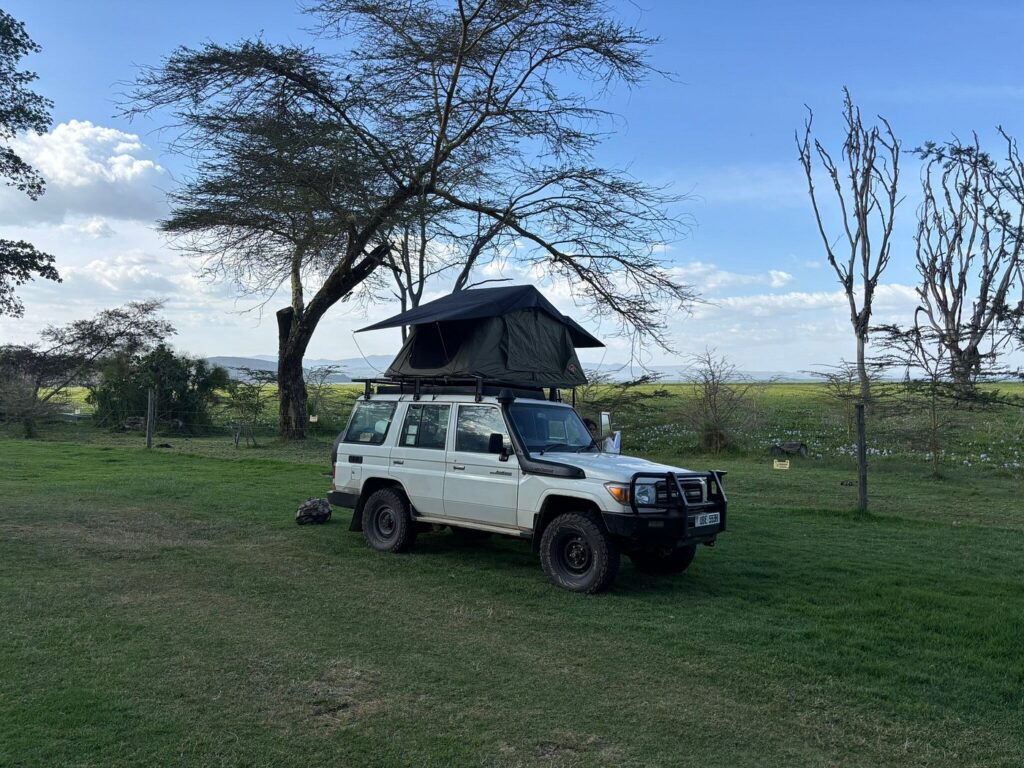
Modern rental rooftop tents in Uganda come with built-in mattresses, mosquito mesh, rainflys rated for the wet season, and setup times of under five minutes. Compared to pitching a ground tent after a long drive, popping open a rooftop tent is fast, keeps bedding dry and clean, and avoids the discomfort of sleeping on uneven or damp ground — a major factor during Uganda’s rainy months.
Social Media and the ‘Overlanding’ Aesthetic
Instagram and YouTube have played a real role in this trend. Footage of Land Cruisers with pop-up rooftop tents parked against the backdrop of the Rwenzori Mountains or the Nile at Murchison Falls has turned self-drive camping into aspirational travel content. Many renters now specifically request a rooftop tent setup because it fits the overlanding aesthetic they have seen from travel influencers exploring East Africa.
Growing Rental Fleets Across Uganda
Where rooftop tents were once hard to find, Kampala– and Entebbe-based rental companies have expanded their fleets significantly to meet demand. This has driven prices down and made the option accessible to a wider range of travellers, not just dedicated overlanders.
Popular Rental Vehicles with Rooftop Tents
| Vehicle | Best For | Tent Style |
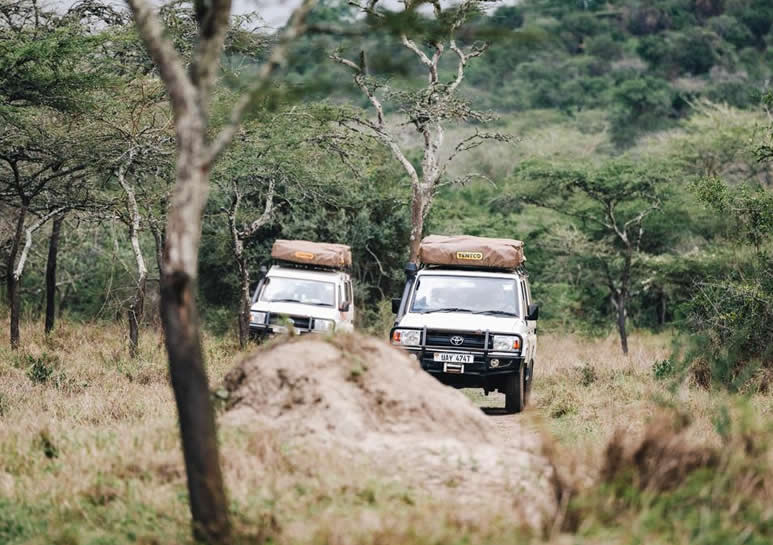
| Toyota Land Cruiser 76/78 Series | Long overland routes, tough terrain | Hard-shell or soft pop-up |
| Toyota Land Cruiser Prado | Comfort-focused family trips | Soft pop-up, 2–3 person |
| Toyota Hilux Double Cab | Budget-friendly self-drive | Single or double rooftop tent |
| Toyota RAV4 (with roof rack) | Shorter, lighter routes | Compact 2-person tent |
Best Uganda Destinations for Rooftop Tent Camping
- Murchison Falls National Park — riverside campsites along the Victoria Nile
- Queen Elizabeth National Park — Ishasha sector, famous for tree-climbing lions
- Kidepo Valley National Park — remote, dramatic landscapes with fewer crowds
- Lake Mburo National Park — a relaxed stop on the way to or from Bwindi
- Ssese Islands and Jinja — Nile-side camping outside the main parks
What to Look for When Renting
- A tent rated for East Africa’s rainy season, with a full rainfly
- Confirmed 4×4 drivetrain, not just an SUV badge — many park roads require it
- Included camping gear: table, chairs, cooking equipment and a fridge/cooler box
- Clear breakdown and roadside assistance policy, especially for remote parks like Kidepo
- A rental company that provides a route briefing, not just the keys
Typical Rooftop Tent Rental Costs in Uganda
Rates vary by vehicle size, tent quality and season, but most renters can expect a 4×4 with a rooftop tent fitted to fall within the following ranges:
| Vehicle Type | Daily Rate (approx.) | Included |
| Hilux with single rooftop tent | USD 70 – 100 | Tent, basic camp kit, unlimited km* |
| Land Cruiser Prado with tent | USD 100 – 140 | Tent, camp kit, fridge box |
| Land Cruiser 76/78 with tent | USD 120 – 180 | Tent, full camp kit, roof rack storage |
*Terms vary by rental company; always confirm mileage limits, insurance excess and park fee inclusions before booking.
Final Thoughts
The trend toward 4×4 rooftop tent rentals in Uganda reflects a broader shift in how travellers want to experience East Africa — independently, affordably, and with the freedom to follow the road rather than a fixed itinerary. Whether it’s the cost savings over lodges, the added safety around wildlife, or simply the appeal of waking up under canvas beside the Nile, rooftop tents have earned their place as one of Uganda’s most in-demand self-drive upgrades.
For travellers planning a Uganda road trip in 2026, booking a 4×4 with a rooftop tent early is worth it — especially during peak dry season months (June–September and December–February) when fleets book out fast.