Self-Drive or Driver-Guide in Uganda? The Complete 2026 Comparison Guide
Self-Drive or Driver-Guide in Uganda, Costs, road conditions, safety, and which option fits your Uganda safari style
Uganda’s gravel park roads, forested mountain tracks, and long cross-country distances make the choice between self-drive and driver-guide one of the first — and most consequential — decisions any visitor makes when planning a safari. Both options can deliver an unforgettable trip through Bwindi, Queen Elizabeth, Murchison Falls, and Kidepo, but they suit very different budgets, comfort levels, and travel styles. This guide breaks down exactly how self-drive and driver-guide safaris compare in Uganda, so you can book the option that matches your trip.
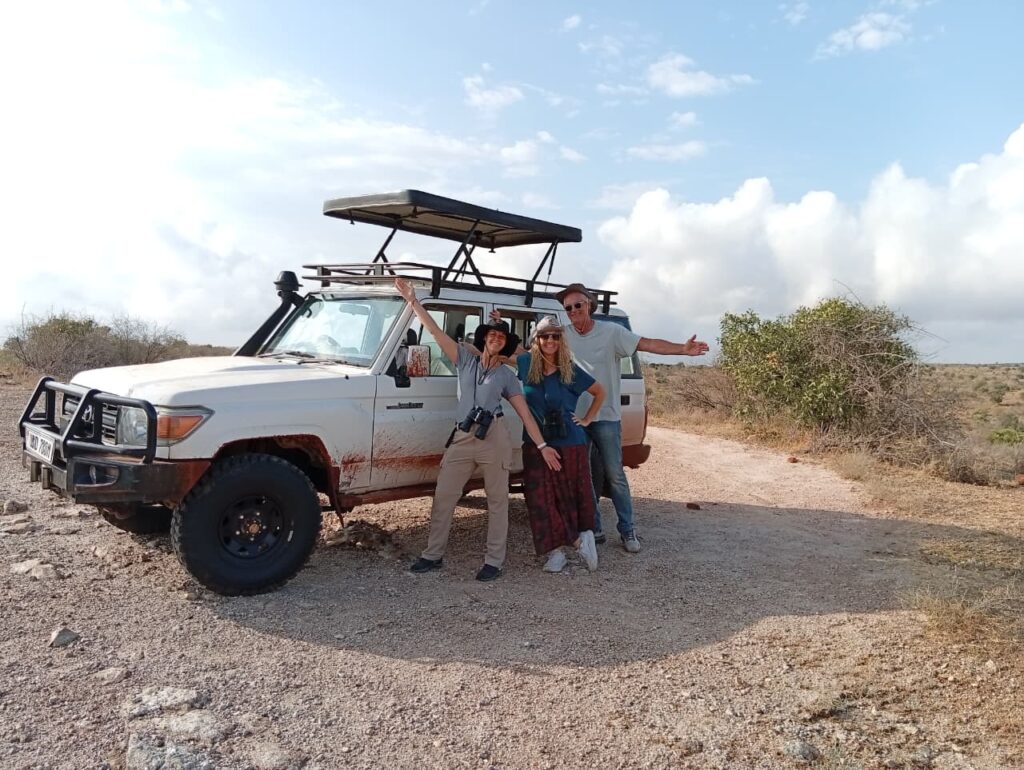
| Quick Answer
First-time visitors to Uganda, groups without 4×4 or East African driving experience, and travelers on tight schedules generally get more value from a driver-guide. Experienced overlanders, budget travelers with extra time, and those who want full route flexibility often prefer self-drive. |
Why This Decision Matters More in Uganda Than Elsewhere
Unlike Kenya’s or South Africa’s tarmacked park circuits, a large share of Uganda’s safari roads are unpaved, seasonally muddy, and shared with cyclists, boda-bodas, and livestock. Distances between parks are also considerable — Kampala to Bwindi is roughly 8–9 hours, and Murchison Falls to Kidepo Valley can take a full day. Add in park-specific rules (armed ranger escorts in some zones, strict game-drive routes, ferry crossings on the Nile) and the self-drive vs. driver-guide decision shapes almost every other part of your itinerary, from vehicle choice to daily driving hours to overall cost.
Both approaches are legal, common, and well-supported by Uganda’s tourism infrastructure. The right one depends on your experience behind the wheel, how much of the trip you want to spend navigating versus watching wildlife, and your budget.
Self-Drive Safaris in Uganda
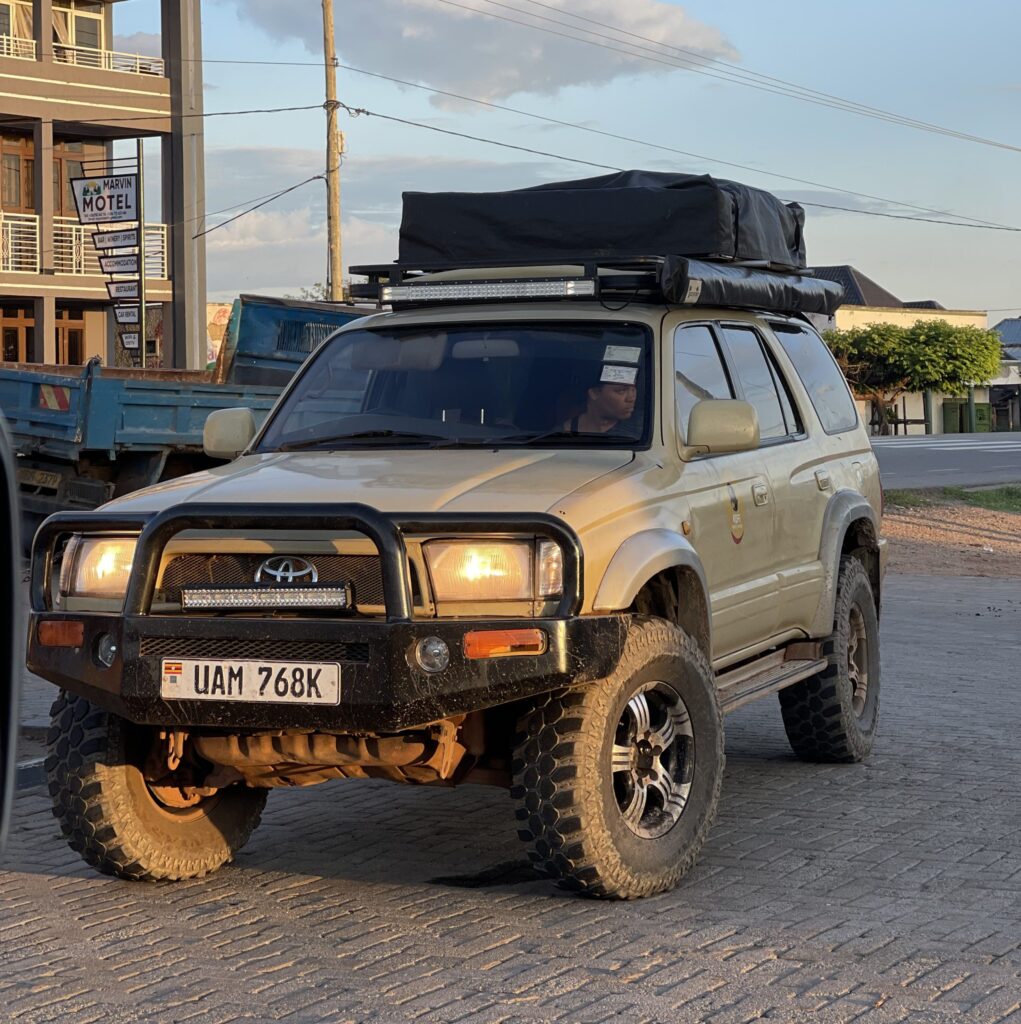
Self-driving means renting a 4×4 vehicle — typically a Toyota RAV4, Land Cruiser Prado, Land Cruiser TX/TZ, or rooftop-tent-equipped Land Cruiser — and navigating Uganda’s parks and highways yourself, using GPS, park maps, and printed or app-based route notes.
Advantages of Self-Drive
- Full flexibility. You set your own pace, linger at sightings, and change plans on a whim without coordinating with a guide.
- Lower daily cost. Renting without a driver is typically 25–40% cheaper per day than the same vehicle with a driver-guide, since you avoid daily guide fees, guide meals, and guide accommodation.
- Hands-on experience. Handling a 4×4 on murram roads, river crossings, and steep crater tracks is part of the appeal for overlanders and adventure travelers.
- Privacy and spontaneity. You decide when to stop for photos, village visits, or an extra night somewhere unplanned.
Challenges of Self-Drive
- Navigation difficulty. Many rural roads are unsigned, and GPS coverage can be unreliable in remote areas like Kidepo or Semuliki.
- Left-hand driving and traffic. Uganda drives on the left, and traffic in Kampala and Entebbe can be chaotic for visitors unused to it.
- No local wildlife expertise. A self-driver loses the guide’s trained eye for spotting wildlife off the road, and misses cultural and ecological commentary during the drive.
- Self-reliance required. You are responsible for tire changes, minor breakdowns, and route decisions in areas with limited phone signal.
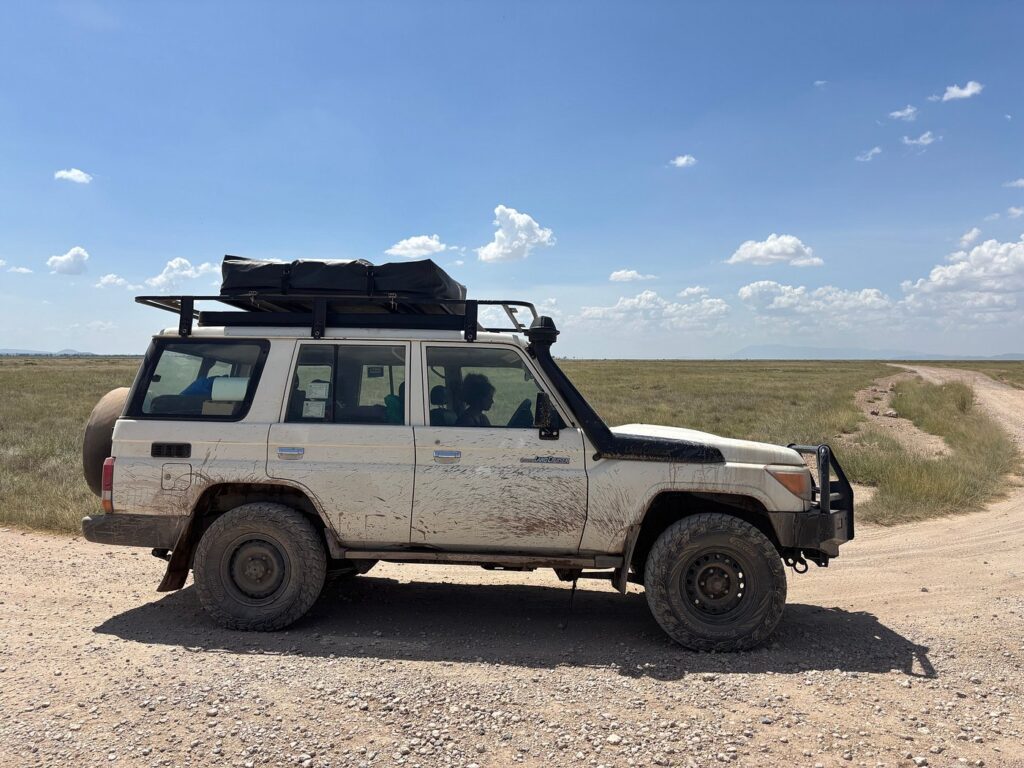
Self-Drive Requirements
- Age and experience: Most rental companies require drivers to be 23–25 years or older with at least 2–3 years of driving experience.
- Documentation: A valid driving license from your home country is usually accepted for up to 90 days; an International Driving Permit (IDP) is strongly recommended and required by some companies.
- Deposit: Expect a refundable security deposit of $500–$1,500 depending on the vehicle, held on a credit card or in cash.
- Insurance: Comprehensive cover with a reduced excess (often $50–$150 excess buy-down per day) is standard for safari rentals; confirm what off-road and undercarriage damage is covered.
Driver-Guide Safaris in Uganda
A driver-guide safari pairs your rental vehicle with an experienced, licensed local driver who also acts as a guide — handling navigation, park permits, ranger coordination, and wildlife spotting, while you focus entirely on the experience.
Advantages of a Driver-Guide
- Local expertise. Professional driver-guides know shortcuts, current road conditions, seasonal closures, and the best game-drive circuits inside each park.
- Better wildlife sightings. Most driver-guides are trained naturalists who can identify birds, primates, and behavior patterns that a self-driver would likely miss.
- Stress-free travel. No route-finding stress, no navigating Kampala’s traffic, and no responsibility for tire changes or roadside repairs.
- Faster park logistics. Guides handle park entry paperwork, gorilla and chimp trekking permits, and ranger communication, saving significant time at gates.
- Safer on long drives. With someone else driving, you can rest, work, or simply take in the scenery on long transfer days.
Trade-Offs of a Driver-Guide
- Higher cost. Daily driver-guide fees ($25–$50/day) plus their meals and accommodation add up over a multi-week trip.
- Less spontaneity. Itineraries are typically pre-agreed, so spontaneous detours require discussion with your guide.
- Shared space. You are sharing the vehicle cabin with someone for the full trip, which some travelers love and others find limiting for privacy.
Choosing a Driver-Guide
- Licensing: Confirm the guide holds a Uganda Tourism Board license and, ideally, UWA (Uganda Wildlife Authority) accreditation for national park driving.
- Experience: Ask how many years they’ve guided in your specific target parks — Bwindi guiding differs a lot from savannah driving in Murchison or Kidepo.
- Communication skill: A strong driver-guide should speak clearly about wildlife behavior, not just point it out — ask for references or reviews before booking.
- Fee structure: Clarify upfront whether the daily fee includes the guide’s meals and lodging, or whether you’re expected to cover these separately.

Self-Drive vs. Driver-Guide: Side-by-Side Comparison
| Factor | Self-Drive | With Driver-Guide |
| Daily cost (incl. vehicle) | $70 – $180 | $100 – $250 |
| Route flexibility | Full control | Agreed itinerary, some flexibility |
| Navigation & logistics | Your responsibility | Handled by guide |
| Wildlife spotting quality | Depends on your experience | Enhanced by trained eye |
| Best for | Confident 4×4 drivers, budget trips | First-timers, families, tight schedules |
| Park permit handling | Self-arranged in advance | Guide coordinates on your behalf |
| Risk in remote areas | Higher (breakdowns, navigation) | Lower (local knowledge, contacts) |
| Cultural / ecological insight | Self-researched | Delivered throughout the trip |
| Ideal trip length | 1–3 weeks | Any length, especially short trips |
2026 Cost Breakdown by Vehicle Type
Rates vary by season, rental duration, and company, but the table below reflects typical current market ranges for both options across Uganda’s most-used safari vehicles.
| Vehicle | Self-Drive (per day) | With Driver-Guide (per day) |
| Toyota RAV4 (2WD/4WD) | $45 – $65 | $75 – $100 |
| Toyota Land Cruiser Prado | $80 – $110 | $115 – $150 |
| Land Cruiser TX/TZ (pop-top) | $120 – $160 | $160 – $200 |
| Land Cruiser w/ Rooftop Tent | $130 – $180 | $170 – $230 |
| Safari Land Cruiser V8 | $160 – $220 | $210 – $270 |
Guide fees of $25–$50 per day are typically added on top of the vehicle rate for driver-guide bookings, and most companies expect you to cover the guide’s meals and simple accommodation during multi-day trips.
| Hybrid Option: Self-Drive with an On-Call Guide
Some Uganda operators offer a middle path — you self-drive the highways between parks, then hire a local park guide for a day or two inside high-density wildlife zones like Queen Elizabeth or Murchison, where spotting skill matters most. This can trim costs while still getting expert eyes in the parks that reward it. |
Which Option Fits Your Trip?
Choose Self-Drive If You…
- Have driven a 4×4 on unpaved or mountainous roads before.
- Want full control over your daily pace and route.
- Are traveling on a tighter budget and have extra planning time.
- Plan a longer overland trip across multiple countries.
Choose a Driver-Guide If You…
- Are visiting Uganda, or East Africa, for the first time.
- Are traveling with children, elderly relatives, or a large group.
- Have a short trip and want to maximize wildlife sightings in limited time.
- Prefer not to navigate left-hand traffic or unmarked rural roads.
- Are combining gorilla or chimp trekking with a wider safari circuit and want the logistics handled.
Road Conditions to Expect in Uganda
Uganda’s main highways connecting Kampala, Entebbe, Mbarara, and Fort Portal are paved and in reasonable condition. Once you turn off toward the parks, conditions change quickly:
- Park access roads: murram (compacted red gravel) that becomes slick and rutted after rain, particularly around Bwindi and Kibale.
- Bwindi and Kigezi highlands: narrow, winding, and often shrouded in mist — low gear and slow speeds are essential.
- Murchison Falls and Queen Elizabeth savannah: flat and generally easier driving, but game tracks can flood in the wet season (March–May, September–November).
- Kidepo Valley: remote, with long stretches between fuel stations — self-drivers should carry extra fuel and a satellite communicator.
| Safety Tip
Whichever option you choose, avoid night driving outside major towns. Wildlife crossings, unlit cyclists, and poorly marked road edges make after-dark travel significantly riskier in rural Uganda. |
How to Book: Step-by-Step
- Define your itinerary. Decide your route, park priorities, and total trip length before contacting rental companies — this determines vehicle size and whether a guide is worth the added cost.
- Get quotes for both options. Compare at least three Uganda-based rental companies on vehicle condition, insurance terms, and whether driver-guide fees are quoted separately.
- Verify credentials. For self-drive, confirm license requirements and IDP rules; for driver-guide, ask for the guide’s UTB/UWA accreditation and recent references.
- Confirm and pay a deposit. A 20–30% deposit is standard; balance is usually due on vehicle pickup at Entebbe or Kampala.
- Inspect the vehicle at pickup. Photograph the vehicle, check spare tires and jack, test 4WD engagement, and review the insurance excess documentation before leaving the yard.
Frequently Asked Questions
Is self-driving in Uganda safe for tourists?
Yes, for confident 4×4 drivers who plan routes carefully, avoid night driving, and choose a well-maintained rental vehicle. Uganda’s main tourist roads are manageable, though park access roads demand more driving skill than a typical paved safari circuit.
Do I need a 4×4 for a Uganda safari?
For most national parks, yes. Murram roads, river crossings, and steep sections around Bwindi and Kidepo are difficult or impassable in a 2WD vehicle, especially in the rainy seasons.
Can I switch from self-drive to a driver-guide mid-trip?
Many rental companies allow you to add a driver-guide partway through a trip, particularly for the most technical sections such as Bwindi’s mountain roads. Confirm this option and its cost when booking.
How much should I tip a driver-guide?
A common range is $15–$25 per day for a driver-guide, given directly at the end of the trip, reflecting service quality and trip length. This is separate from the daily guide fee paid to the company.
Is it cheaper to self-drive for a short trip?
Not always. On trips under five days, the time saved on navigation and permit logistics with a driver-guide can outweigh the modest cost difference, especially if your route includes gorilla trekking permits or tight park-to-park timing.