Is It Possible to Combine Camping and Lodges on a Self-Drive Trip in Uganda?
Is It Possible to Combine Camping and Lodges on a Self-Drive Trip in Uganda, A practical guide to mixing budget camping and comfortable lodges on your own self-drive safari across Uganda
Short answer: yes — and it is actually the strategy most experienced self-drive travelers in Uganda end up using. Uganda’s national parks and reserves are set up for exactly this kind of flexibility. Campsites sit inside or beside almost every major park, while lodges ranging from simple cottages to luxury tented camps are scattered along the same routes. Because you are driving your own vehicle, you decide night by night — or park by park — whether you want to pitch a tent under the stars or sleep in a proper bed with a hot shower waiting for you.
This guide breaks down exactly how to plan a hybrid camping-and-lodge self-drive itinerary in Uganda: why it works, what it costs, which parks suit which style, the gear and vehicle considerations, and a sample 13-day route that blends both.
Why Combine Camping and Lodges in Uganda?
Uganda rewards flexibility more than almost any other East African safari destination. The country is compact, road networks connect parks fairly directly, and campsites and lodges are often within a few minutes of one another at park entrances. Combining the two accommodation styles lets you:
- Control your budget by camping through expensive stretches (like multiple nights near gorilla trekking areas) and splurging on a lodge night to recover.
- Break up long game-drive days with a comfortable bed and reliable hot water, especially after muddy tracks in Queen Elizabeth or Murchison Falls.
- Experience both sides of Uganda’s wilderness — the raw immersion of camping beside a channel full of hippos, and the polish of a lodge veranda overlooking the same view.
- Reduce booking pressure — campsites rarely sell out, so you can slot them in around lodges that need to be reserved months ahead in peak season (June–September, December–January).
| Traveler Insight
Most self-drive itineraries in Uganda naturally alternate every 2–3 nights: a camping stretch through a park’s wilder zones, followed by a lodge night in a town or at a premium viewpoint. This rhythm also gives you a chance to recharge devices, do laundry, and resupply. |
Camping vs Lodges: A Side-by-Side Comparison
Before mixing the two, it helps to understand where each option genuinely shines. Here is how camping and lodge stays compare across the factors that matter most to self-drive travelers.
| Factor | Camping | Lodges |
| Cost per night | $10–$40 (campsite fees + gear) | $120–$600+ depending on category |
| Comfort level | Basic to moderate; sleeping bag/mat | Beds, en-suite bathrooms, sometimes hot showers |
| Wildlife immersion | Very high — night sounds, closer to nature | High, but more buffered from the elements |
| Flexibility | Excellent — pitch almost anywhere permitted | Requires advance booking, especially in high season |
| Vehicle needs | Rooftop tent or ground tent + 4×4 recommended | Any self-drive vehicle; road condition still matters |
| Best for | Budget travelers, adventurers, longer trips | Honeymooners, families, travelers wanting rest days |
How to Plan a Hybrid Itinerary
1. Map Your Route Around Camp-and-Lodge Clusters
Start by listing the parks on your route, then check what is available at each: most Uganda Wildlife Authority (UWA) campsites sit inside the park boundary, while lodges cluster just outside gates or along scenic viewpoints. Parks like Queen Elizabeth, Murchison Falls, and Lake Mburo all have both options within a short drive of each other, making them ideal hybrid stops.

2. Camp Where the Wilderness Experience Matters Most
Reserve camping nights for parks where proximity to wildlife sounds and open landscapes add the most value — Lake Mburo’s open savanna, the Kazinga Channel area in Queen Elizabeth, or Murchison Falls’ riverside campsites. These are also generally the more affordable parks to camp in, with well-maintained UWA or community-run sites.
3. Book a Lodge Where Comfort or Logistics Matter
Use lodges around gorilla trekking days in Bwindi or Mgahinga, where an early, cold start benefits from a proper bed and hot breakfast, and in Kibale before chimpanzee tracking. Lodges are also the more practical choice in Kampala or Entebbe at the start and end of your trip.
4. Book Lodges Early, Keep Camping Flexible
Lodges — especially mid-range and luxury properties near gorilla permits — fill up months in advance during peak season. Reserve those first, then build your camping nights around the gaps. Campsites can typically be arranged on arrival or with a day or two of notice.
5. Pack for Both Scenarios
A hybrid trip means your packing list has to cover two different comfort levels. Bring your camping gear (or rent a rooftop-tent-equipped 4×4) but also pack one or two smarter outfits for lodge evenings, plus a dry bag to keep camping gear separate from lodge luggage.
| Vehicle Tip
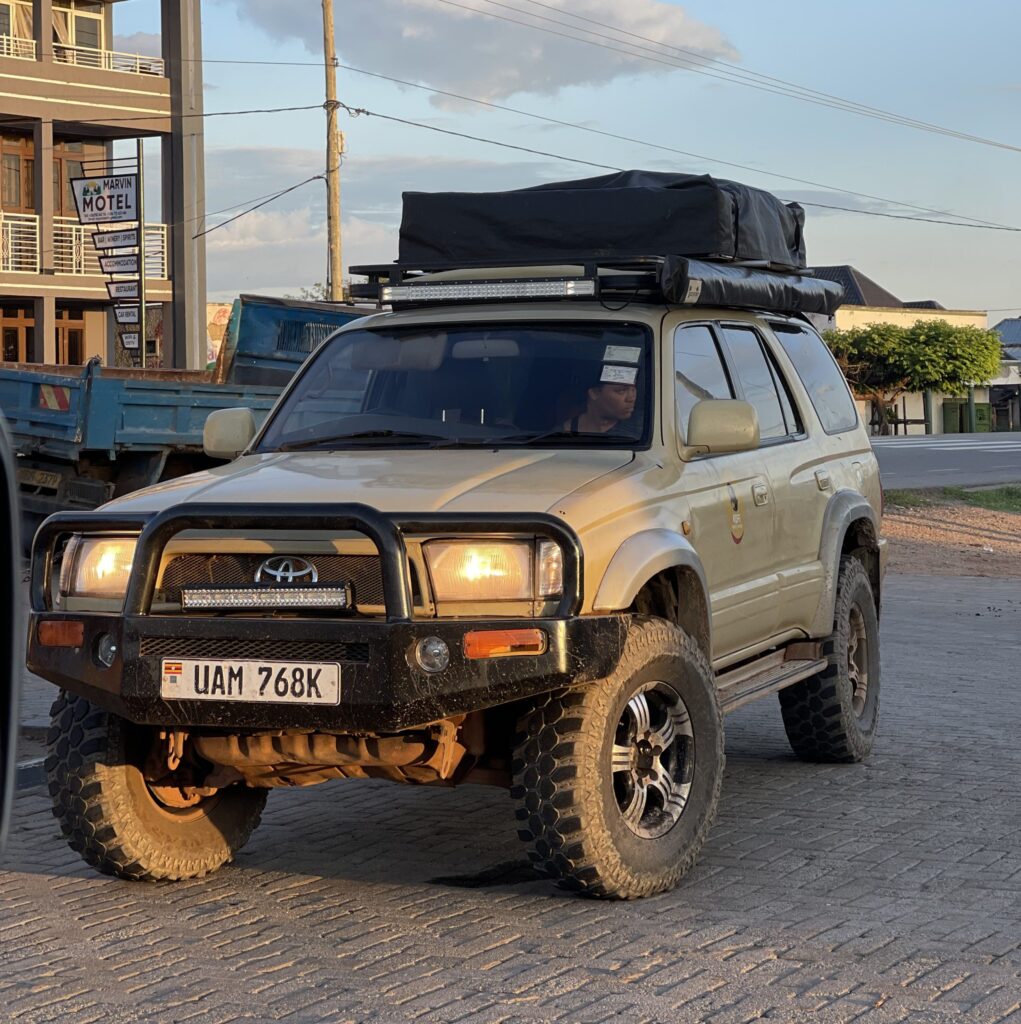
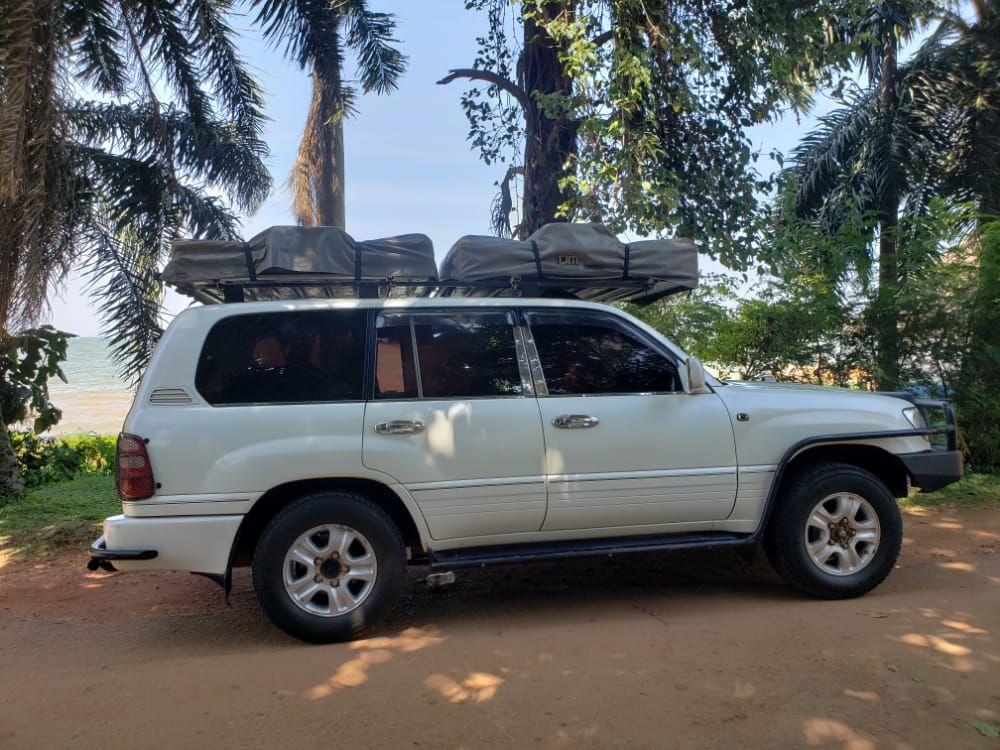
If camping is part of your plan, renting a 4×4 with a rooftop tent solves accommodation and transport in one booking. It also gives you a raised, ventilated sleeping space that keeps you comfortable even in areas with more insects or uneven ground. |
Sample 13-Day Hybrid Self-Drive Itinerary
This route alternates camping and lodge stays across five of Uganda’s most-visited parks, giving a realistic sense of how the mix works in practice.
| Days | Location | Accommodation |
| Day 1–2 | Kampala → Lake Mburo National Park | Camping (Rwonyo Campsite) |
| Day 3–5 | Bwindi Impenetrable Forest | Lodge (mid-range gorilla lodge) |
| Day 6–7 | Queen Elizabeth National Park | Camping (rooftop tent, Kazinga Channel) |
| Day 8–9 | Kibale Forest National Park | Lodge (forest-edge cottage) |
| Day 10–12 | Murchison Falls National Park | Camping (Red Chilli Rest Camp) |
| Day 13 | Return to Kampala | Lodge (airport-area hotel) |
This pattern — two to three camping nights, then a lodge night — keeps costs manageable while still giving you rest and recovery time before demanding activities like gorilla and chimpanzee trekking.
Estimated Cost Breakdown
Costs vary by season and vehicle type, but as a rough guide for a self-driving couple:
- Camping: $10–$25 per person per night at UWA campsites, plus $15–$30/day for a rooftop-tent 4×4 rental premium over a standard vehicle.
- Budget–mid-range lodges: $80–$180 per person per night, often including breakfast.
- Luxury lodges (Bwindi, Queen Elizabeth premium properties): $250–$600+ per person per night.
- A hybrid 13-day trip mixing roughly 60% camping and 40% lodges typically runs noticeably cheaper than an all-lodge itinerary, while still including two or three comfort nights.
Frequently Asked Questions
Is it safe to camp while self-driving in Uganda?
Yes, within UWA-managed or established community and lodge-run campsites. These sites have ranger presence, marked boundaries, and are used regularly by self-drive travelers. Wild, unmanaged camping outside designated sites is not recommended.
Do I need a 4×4 to combine camping and lodges?
A 4×4 is strongly recommended for the camping legs, particularly in Murchison Falls and Queen Elizabeth where roads can be rough or muddy in the wet season. Many lodges are reachable by 2WD, but since your route will include both, a 4×4 keeps every leg accessible.
Can I switch between camping and lodges last minute?
Lodge availability is the limiting factor, especially in peak season and around gorilla trekking dates — book those ahead. Campsites are far more flexible and can usually be arranged with short notice or even on arrival.
Which parks are best for camping, and which for lodges?
Lake Mburo, Murchison Falls, and Queen Elizabeth have excellent, well-established campsites. Bwindi and Kibale, where early starts and cold mornings precede trekking, are generally more comfortable as lodge stays.
Final Thoughts
Combining camping and lodges on a Uganda self-drive trip is not just possible — it is the approach that lets you experience the country on your own terms. You get the affordability and immersion of camping where it counts, and the comfort of a lodge where you need it, all while keeping full control of your route in your own rented vehicle. With a bit of early lodge booking and a flexible camping plan, a hybrid itinerary is one of the most rewarding ways to explore Uganda’s parks.