
Self drive National Parks in Uganda
Murchison Falls • Queen Elizabeth • Kidepo Valley • Lake Mburo • Bwindi • Kibale • Semuliki
Why Self-Drive Through Uganda’s National Parks
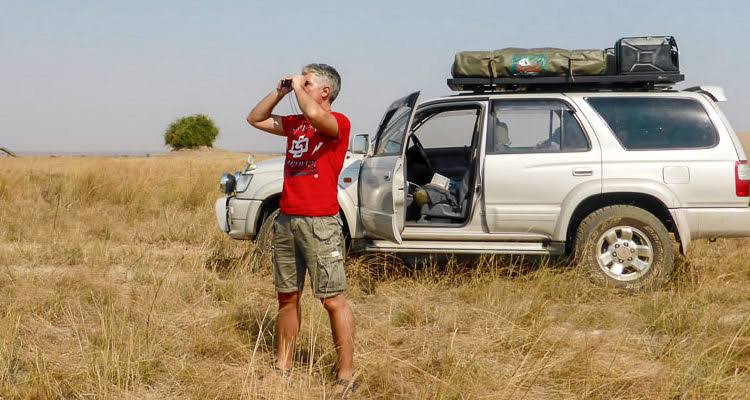
Self drive National Parks in Uganda , Uganda, the Pearl of Africa, is one of the few East African destinations where independent travelers can genuinely self-drive through world-class national parks without joining a guided convoy. From the thundering waters of Murchison Falls to the tree-climbing lions of Queen Elizabeth National Park and the remote, elephant-rich plains of Kidepo Valley, Uganda’s road network and park infrastructure have matured enough that a well-prepared traveler with a reliable 4×4 can explore at their own pace, stop wherever the light is best, and build an itinerary around their own interests rather than a fixed group schedule.
This guide walks through every major self-drive national park in Uganda, the vehicle and permit requirements you need to know before you set off, road conditions you should expect, navigation tips, and a sample itinerary to help you plan a trip that is both safe and unforgettable.
| Quick Answer
Yes, self-driving in Uganda’s national parks is legal, popular, and well supported by rental companies offering 4×4 vehicles with rooftop tents, GPS units, and 24/7 breakdown support. Most parks charge a daily vehicle entry fee in addition to per-person park entry fees. |
Why Choose a Self-Drive Safari in Uganda?
Self-driving is not just a budget alternative to a guided safari — for many travelers it is the preferred way to experience Uganda. Here is why:
- Freedom and flexibility: stop for photographs, wildlife sightings, or roadside village life whenever you like, without waiting on a group.
- Cost control: renting a 4×4 and self-catering or camping is typically 30–50% cheaper than a fully guided package for couples or small families.
- Deeper immersion: driving yourself through the bush, navigating river crossings, and reading animal tracks on dirt roads creates a far more memorable connection to the landscape.
- Custom pacing: spend an extra day at Ishasha’s tree-climbing lions or skip a park entirely if it doesn’t fit your interests.
- Growing infrastructure: UWA (Uganda Wildlife Authority) has improved signage, park roads, and ranger check-in points at all major gates, making navigation far easier than a decade ago.
What You Need Before You Self-Drive in Uganda
1. Driving Permit and Documents
Visitors can drive in Uganda using a valid International Driving Permit (IDP) alongside their home country license, or a driving license from a country recognized under Uganda’s traffic regulations. Always carry your passport, visa or East Africa Tourist Visa, vehicle rental agreement, and park entry permits together in one folder — ranger checkpoints will ask for these at every gate.
2. The Right Vehicle
A 4×4 with high ground clearance is non-negotiable for Uganda’s national parks. Park tracks range from graded murram roads to deep mud, loose sand, and river-adjacent tracks that become impassable in a two-wheel-drive sedan, especially in the rainy seasons (March–May and September–November).
| Vehicle Type | Best For | Approx. Daily Rate (USD) |
| Toyota RAV4 | Couples, budget self-drive, all parks in dry season | $45 – $65 |
| Toyota Land Cruiser Prado | Families, all-season reliability, comfort | $80 – $120 |
| Toyota Land Cruiser (Rooftop Tent) | Overlanding, camping inside parks | $100 – $160 |
| Toyota Hilux Double Cab (4×4) | Groups, rugged terrain, gear-heavy trips | $90 – $140 |
| Toyota Vitz / Sedan (2WD) | City and tarmac routes only — not recommended in parks | $30 – $45 |
3. Park Entry Fees and Vehicle Fees
Every UWA-managed park charges a separate vehicle entry fee (typically USD 30–40 per vehicle for foreign-registered rentals, less for East African-registered ones) in addition to per-person park fees, which vary by park and nationality (foreign non-resident, foreign resident, or East African citizen). Multi-day passes and multi-park passes can reduce costs if you’re combining several parks in one trip.
4. GPS and Navigation
Mobile signal disappears quickly inside most parks, so download offline maps (Maps.me or Google Maps offline areas) before you leave Kampala or Entebbe. Many rental companies now include a dedicated GPS unit pre-loaded with UWA park tracks, ranger posts, and campsite waypoints — ask for this when booking, especially for Kidepo Valley and Murchison Falls, where junctions are easy to miss.

The Best National Parks in Uganda for Self-Drive Safaris
1. Murchison Falls National Park
Uganda’s largest national park is also its most self-drive-friendly. The Buligi game tracks north of the Nile offer excellent self-drive game viewing for lions, giraffes, elephants, and buffalo, and the park’s main roads are well graded and clearly signed. Don’t miss the short detour to the top of the Falls, where the Nile forces itself through a 7-metre gorge with tremendous force.
- Best gate for self-drivers: Kichumbanyobo Gate (from Masindi) or Tangi Gate (from the north).
- Road condition: graded murram, generally good in dry season; some sections slippery after rain.
- Highlight drive: the Buligi Circuit for big game, best at sunrise.
2. Queen Elizabeth National Park
Famous for the tree-climbing lions of Ishasha and the Kazinga Channel, Queen Elizabeth is one of the most rewarding parks to self-drive thanks to its diverse ecosystems — savannah, crater lakes, wetlands, and forest — all connected by manageable dirt roads.
- Best gate for self-drivers: Kabatoro Gate (Mweya) or Ishasha sector in the south.
- Road condition: good murram roads in the main Mweya/Kasenyi sectors; Ishasha sector requires higher clearance.
- Highlight drive: Kasenyi track at dawn for lion prides, then Ishasha for tree-climbing lions.

3. Kidepo Valley National Park
Remote, rugged, and spectacular, Kidepo Valley in Uganda’s far northeast rewards self-drivers with some of the country’s most dramatic scenery and the least crowded game drives. This is not a beginner’s self-drive park — distances are long, fuel stations are scarce, and a reliable 4×4 with extra fuel and water is essential.
- Best gate for self-drivers: Katurum Gate via Kotido or Kaabong.
- Road condition: long stretches of remote murram and dirt; carry a spare tyre and extra fuel.
- Highlight drive: Narus Valley for buffalo, elephant, and cheetah sightings.
4. Lake Mburo National Park
The closest major park to Kampala and Entebbe, Lake Mburo is Uganda’s easiest introduction to self-driving. Its compact size, network of well-maintained tracks, and status as the only Ugandan park where zebra roam freely make it ideal for a first self-drive day trip or a stopover en route to the southwest.
- Best gate for self-drivers: Nshara Gate or Sanga Gate, both close to the Masaka–Mbarara highway.
- Road condition: excellent, mostly graded and easy to navigate.
- Highlight drive: the lakeshore loop for zebra, eland, and impala.
5. Kibale Forest National Park
Best known for chimpanzee trekking, Kibale’s park roads are more about access than game drives, but the surrounding Crater Lakes region offers a scenic self-drive detour through some of Uganda’s most photogenic landscapes.
- Best gate for self-drivers: Kanyanchu Visitor Centre, off the Fort Portal–Kamwenge road.
- Road condition: tarmac to the park, murram within the reserve — generally easy.
6. Semuliki National Park
Tucked into the Albertine Rift near the DRC border, Semuliki is Uganda’s least-visited major park and a rewarding off-the-beaten-path self-drive destination for birders, with hot springs and lowland rainforest accessible via reasonable dirt roads from Fort Portal.
| Safety Tip
Always check in at the ranger post or gate before entering any park circuit, carry a printed or offline map, and avoid night driving inside parks — most UWA regulations require visitors to be at their lodge or campsite by 7:00 PM. |
Best Time for a Self-Drive Safari in Uganda
| Season | Months | Self-Drive Conditions |
| Dry Season (Peak) | December – February, June – August | Best road conditions; firm murram tracks; easiest self-driving |
| Short Rains | September – November | Occasional muddy sections; still very manageable in a 4×4 |
| Long Rains | March – May | Some park tracks become slippery or seasonally impassable; a 4×4 with good tyres is essential |
Sample 7-Day Self-Drive Itinerary
| Day | Route |
| 1 | Entebbe/Kampala → Lake Mburo National Park (game drive, overnight) |
| 2 – 3 | Lake Mburo → Queen Elizabeth National Park via Ishasha sector (tree-climbing lions) |
| 4 | Queen Elizabeth → Kazinga Channel boat cruise → Kasenyi game drive |
| 5 – 6 | Queen Elizabeth → Kibale Forest (chimp trekking) → Fort Portal Crater Lakes |
| 7 | Fort Portal → Kampala/Entebbe (return vehicle) |
Frequently Asked Questions
Is it safe to self-drive in Uganda’s national parks?
Yes. Uganda’s parks are patrolled by UWA rangers, and the main circuits are well used by tourist traffic. Standard precautions apply: don’t leave your vehicle near wildlife, stay on designated tracks, and travel with a charged phone and offline map.
Do I need a 4×4 for every park?
For Lake Mburo and the main Murchison Falls or Queen Elizabeth circuits in dry season, a high-clearance vehicle is usually sufficient. For Kidepo Valley, Ishasha, or any park visit during the rainy season, a genuine 4×4 is strongly recommended.
Can I combine a self-drive with a fly-in safari?
Absolutely — many travelers self-drive the accessible southwestern circuit (Lake Mburo, Queen Elizabeth, Bwindi) and fly into Kidepo or Murchison Falls to save time, then rent a vehicle locally for game drives within the park.
| Plan Your Trip
Ready to book your self-drive 4×4 and map out a custom Uganda national parks itinerary? Reach out to our team for vehicle recommendations, permit assistance, and a route built around the parks that matter most to you. |