Are Child Seats Available for Rental in Uganda?
Are Child Seats Available for Rental in Uganda, A complete 2026 guide to booking infant, toddler, and booster car seats with your Uganda self-drive or chauffeur-driven rental — costs, safety standards, top providers, and practical tips for families.
| Quick Answer
Yes — child car seats are available for rental in Uganda. Most established rental companies in Kampala, Entebbe, and near the national parks offer infant, toddler, and booster seats as an add-on, typically for USD 5–15 per day. Availability is highest with mid-size and larger fleet operators, so it’s best to request one at the time of booking rather than on arrival. |

Planning a family safari or self-drive road trip through Uganda often raises one practical question before the excitement of gorilla trekking or game drives even begins: how do you keep young children safe on the road? Uganda’s highways, park access roads, and murram tracks can be uneven, and long transfer days between Kampala, Murchison Falls, Queen Elizabeth National Park, or Bwindi mean children may spend several hours in the car at a stretch. This guide walks through everything families need to know about renting child car seats in Uganda — what’s available, what it costs, how the law treats child restraints, and how to make sure the seat you get actually fits your child and your rental vehicle.
Why Child Seat Safety Matters on Uganda’s Roads
Uganda’s road network mixes well-paved highways with sections of gravel, dirt, and pothole-heavy stretches, especially inside national parks and on rural routes leading to lodges and trekking start points. Sudden braking, speed bumps, and rough terrain make a properly fitted child restraint far more important than on a short urban commute. A correctly sized and installed seat reduces the risk of injury in the event of a sudden stop or collision, and it also keeps toddlers and young children more comfortable and settled during the long drive times that are typical of Ugandan safari itineraries — some transfers between parks can take four to six hours or more.
Beyond the safety case, a good child seat simply makes the trip more pleasant. Children who are secured comfortably, at the right height to see out the window, tend to nap better and fuss less than those perched on a booster that doesn’t fit or, worse, riding unrestrained on a parent’s lap.
What Does Ugandan Law Say About Child Car Seats?
Uganda’s traffic regulations require all vehicle occupants to wear seatbelts, but enforcement and specific statutory requirements for child restraint systems are less developed and less consistently enforced than in many Western countries. This means you generally will not be turned away at a checkpoint for traveling without a child seat, but the absence of strict legal enforcement is not a reason to skip one. Most reputable tour operators, self-drive rental companies, and safari lodges in Uganda strongly recommend — and many now proactively offer — child seats as standard practice, both for genuine safety reasons and because international visitors increasingly expect it.
If you are booking through a tour operator rather than a pure self-drive rental, it is worth asking directly whether child seats are included in the vehicle package or charged separately, since practices vary widely between companies.
Types of Child Seats You Can Rent in Uganda
Rental fleets in Uganda generally stock three main categories of child restraint, mirroring international age and weight bands. Availability of each type varies by company and by season, so booking in advance — ideally two to four weeks before your trip — significantly improves your chances of getting the right fit.
Infant Car Seats (Rear-Facing)
- Designed for newborns up to roughly 12–15 months or about 13 kg.
- Rear-facing orientation with a five-point harness for maximum head and neck support.
- Often compatible with a detachable carry handle, useful for lodge stops.
Convertible / Toddler Seats
- Suitable for children roughly 9 months to 4 years, or 9–18 kg.
- Can typically switch between rear-facing and forward-facing as the child grows.
- The most commonly requested seat type for safari families with toddlers.
Booster Seats
- Designed for children roughly 4–10 years, or 15–36 kg, who have outgrown a harnessed seat.
- Raises the child so the vehicle’s existing seatbelt sits correctly across the chest and hips rather than the neck or stomach.
- Lightweight and easy to move between vehicles if you’re switching cars mid-trip.
How Much Does It Cost to Rent a Child Seat in Uganda?
Child seat rental is usually priced as a flat daily add-on rather than a percentage of the vehicle rate, which makes it easy to budget for. Most companies charge somewhere between USD 5 and USD 15 per seat per day, and many offer a discounted weekly or trip-length rate if you’re renting for ten days or more, which is common for multi-park Uganda itineraries.
| Seat Type | Approx. Age | Approx. Weight | Typical Daily Rate (USD) |
| Infant seat (rear-facing) | 0 – 15 months | Up to 13 kg | 5 – 12 |
| Convertible / toddler seat | 9 months – 4 years | 9 – 18 kg | 6 – 15 |
| Booster seat | 4 – 10 years | 15 – 36 kg | 4 – 10 |
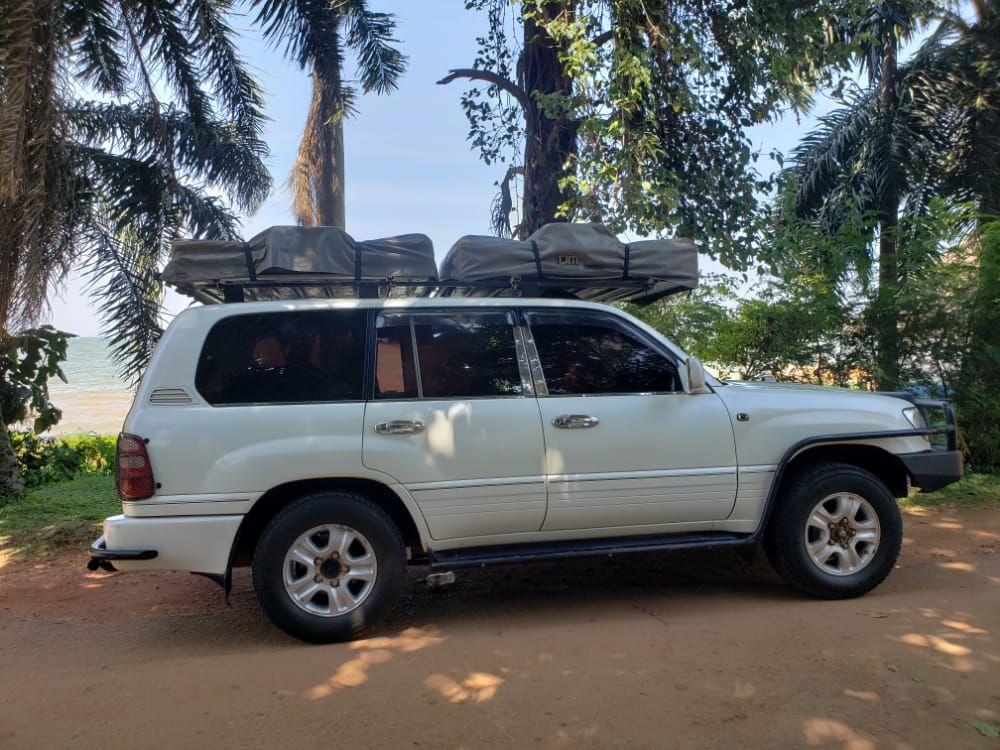
A few companies bundle a child seat into family-oriented vehicle packages — for example, a 7-seat Land Cruiser or Toyota Noah rented specifically as a ‘family safari vehicle’ — at no extra charge. It’s always worth asking whether a bundled rate is available before paying for the seat separately.
| Booking Tip
Request your child seat at the same time you book the vehicle, and confirm the make, model, and weight range by email or WhatsApp. Popular seat sizes — especially infant and convertible seats — are limited in number across most fleets and can sell out during the June–September and December–January peak safari seasons. |
How to Book a Child Seat With Your Rental Car
- Choose your vehicle first. Confirm the rental company operates the vehicle class you need (4×4, minivan, or sedan) for your route and terrain.
- Specify your child’s age and weight, not just ‘a car seat.’ This lets the company match you with an infant, convertible, or booster seat.
- Ask about installation. Reputable companies will fit the seat for you at pickup and show you how the harness and buckle system works.
- Confirm the daily rate and whether it’s charged for the full rental period or only the days you need it.
- Get written confirmation of the seat booking alongside your vehicle confirmation, ideally with a photo of the specific seat model if possible.
- Inspect the seat at pickup for wear, harness condition, and expiry date (most seats have a usable lifespan of 6–10 years printed on the shell).
Where to Find Rental Companies Offering Child Seats
Child seat availability tends to be strongest with established self-drive and chauffeur rental companies based in Kampala and Entebbe, since these operators maintain larger, more diverse fleets and serve a higher volume of international family travelers. Smaller local operators near individual parks may have one or two seats on request but shouldn’t be relied upon without advance confirmation.
- Kampala and Entebbe-based self-drive and 4×4 rental companies — the widest seat selection and easiest advance booking.
- Chauffeur-driven safari transfer companies — often bundle a seat into family safari vehicle packages.
- Some lodges and tour operators in gorilla trekking regions (Bwindi, Mgahinga) can arrange a seat for the vehicle transfer portion of a trip, even if trekking days don’t require one.

Tips for Traveling With Children on a Uganda Self-Drive Safari
- Build in extra stops. Plan for a break every 1.5–2 hours on long transfer days so children can stretch and re-settle.
- Bring your own base if you’re particular about fit. Some families travel with a lightweight, FAA-approved travel seat or an inflatable travel booster as a backup, especially for infants.
- Pack sun and insect protection. Window shades and child-safe insect repellent are worth having for open sections of park roads.
- Check the isofix or seatbelt system in your specific vehicle. Older 4×4 models common in safari fleets may only support seatbelt installation rather than ISOFIX, so confirm compatibility with your seat type.
- Ask about a spare seat for multi-vehicle convoys if your group is splitting across two cars for a game drive.
What If a Child Seat Isn’t Available?
If your rental company can’t supply a suitable seat — which can happen during peak season or in more remote pickup locations — a few practical alternatives exist. Some international airlines allow FAA- or UN-approved car seats to be checked as luggage at no extra cost, so traveling with a compact, lightweight seat from home is a reliable backup. Inflatable travel booster seats are another lightweight option for children old enough to use a booster, though they are not suitable for infants. As a last resort, contacting a second rental company or a dedicated family-travel tour operator in Kampala often turns up availability even when your primary choice is fully booked.
Frequently Asked Questions
Do I need to bring my own child seat to Uganda?
No — most established rental companies and tour operators offer child seats for rent. Bringing your own is optional and mainly useful as a backup during peak season or if you have a strong preference for a specific seat model.
Is it safe to rent a used child seat?
Reputable companies maintain and rotate their child seat inventory and check harnesses and shells for wear. It’s reasonable to inspect the seat yourself at pickup and ask about its age — most seats have a usable lifespan of 6 to 10 years from the manufacture date printed on the shell.
Can I get a child seat for a one-day game drive rather than a full self-drive rental?
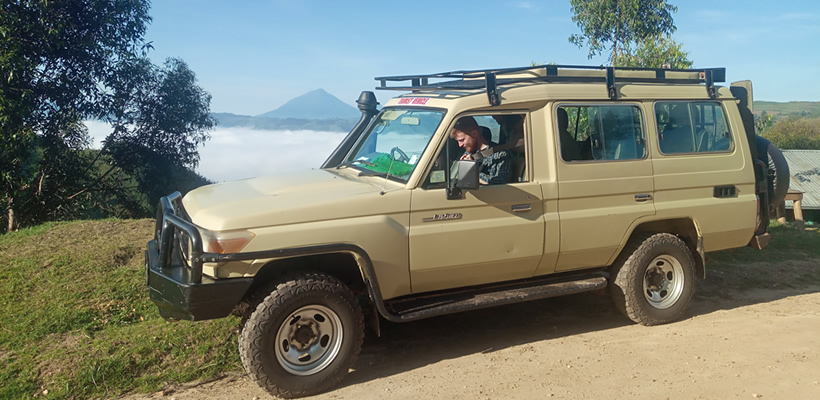
Yes. Many chauffeur-driven day tour operators, particularly around Murchison Falls and Queen Elizabeth National Park, can arrange a child seat for a single-day vehicle booking on request.
At what age can a child use a regular seatbelt without a booster in Uganda?
There’s no strict statutory cutoff enforced in Uganda, but the general international safety guideline is that a child should be tall enough (usually around 135–150 cm) for the vehicle’s seatbelt to sit properly across the chest and hips before dropping the booster.
How far in advance should I book a child seat?
Two to four weeks ahead is a safe margin, and earlier is better during the June–September and December–January peak seasons when infant and convertible seats are in highest demand.
Final Thoughts
Renting a child seat in Uganda is straightforward as long as you plan slightly ahead: confirm the vehicle first, specify your child’s age and weight, and get the seat booking in writing alongside your rental agreement. With Uganda’s mix of long transfer distances and varied road surfaces, a properly fitted seat is one of the simplest ways to keep young travelers safe and comfortable through gorilla trekking transfers, savannah game drives, and everything in between.