
Fuel Prices in Uganda 2026 | Complete Guide for Self Drive Safaris
Everything Self-Drive Travelers Need to Know Before Hitting the Road (2026 Guide)
Petrol & Diesel Costs • Regional Price Variations • Fuel Budgeting • Where to Fill Up • Money-Saving Tips
If you’re planning a self-drive safari through Uganda — whether it’s a weekend run to Murchison Falls, a two-week loop through Queen Elizabeth and Bwindi, or a full overland circuit into Rwanda and Tanzania — fuel is one of the biggest line items in your trip budget, and one of the easiest to get wrong. Uganda’s pump prices are deregulated, meaning they shift from station to station and town to town, sometimes by a significant margin. This guide breaks down current fuel prices, explains why they vary, and gives you a practical framework for budgeting and refueling on the road.
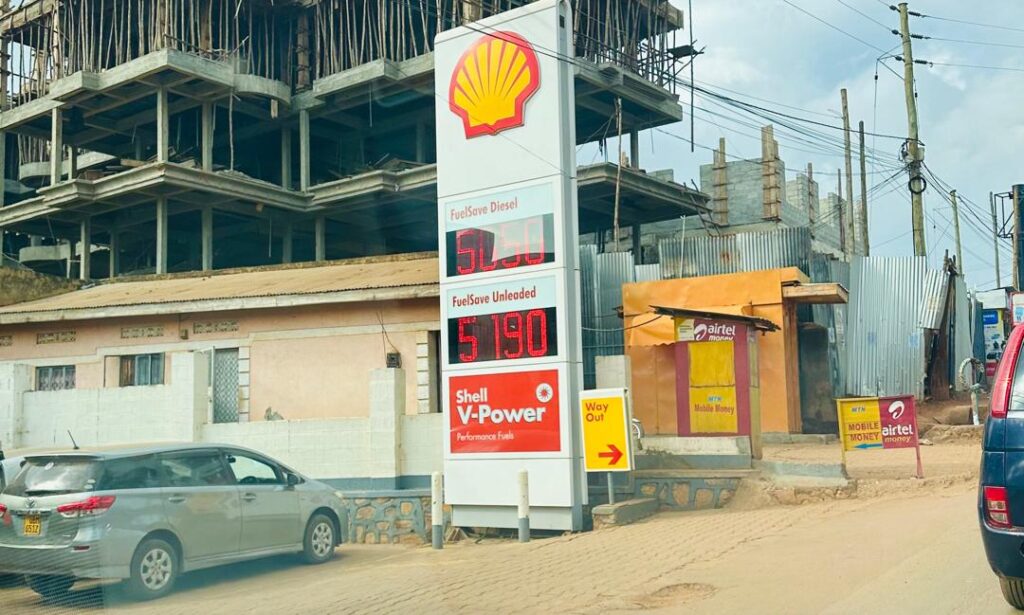
Current Fuel Prices in Uganda (2026)
Uganda runs a deregulated fuel market, so prices are set by individual dealers rather than the government — unlike Kenya, Rwanda, and Tanzania, where pump prices are regulated. That means the price you pay depends heavily on which station, which town, and which week you’re filling up. As of mid-2026, national average pump prices sit at roughly the levels below.
| Fuel Type | Typical Price (UGX/litre) | Approx. (USD/litre) |
| Petrol (unleaded) | 5,200 – 6,600 | $1.40 – $1.75 |
| Diesel | 5,000 – 6,600 | $1.35 – $1.75 |
| Premium / additive-blend petrol | 6,300 – 6,700 | $1.65 – $1.80 |
These are indicative ranges, not fixed rates — treat every figure in this article as a planning estimate rather than a quote. Fuel prices in Uganda move with global crude oil benchmarks, the shilling’s exchange rate, and supply conditions along the Mombasa–Kampala corridor, so it’s normal for prices to shift by several hundred shillings within a single month. Always confirm the current rate at the pump before you budget your route.
| GOOD TO KNOW
• Uganda’s fuel market is deregulated — dealers set their own prices, so shopping around genuinely saves money. • Diesel and petrol prices are often close to each other in Uganda, unlike some neighboring markets where diesel is consistently cheaper. • Most 4×4 rental vehicles used for self-drive safaris (Land Cruisers, RAV4s, Land Rovers) run on diesel — confirm your vehicle’s fuel type before you fill up. |
Why Fuel Prices Vary Across Uganda
New self-drive travelers are often surprised at how much prices swing between locations. A few factors explain the spread:
- Distance from Kampala and the Mombasa corridor: fuel is trucked in from the coast, so prices climb the further you get from the capital and major supply routes.
- Station brand and location: international brands like Shell, Total Energies, and Vivo Energy tend to sit mid-range, while independent stations can be cheaper — or, in remote areas, notably more expensive.
- Remote and border towns: fuel near national parks and border crossings (Kasese, Kisoro, Kihihi, remote pumps near Kidepo) is consistently the most expensive because of transport costs and lower competition.
- Supply disruptions: periodic shortages caused by import delays, exchange rate shifts, or global oil price spikes can push prices up sharply and unevenly across regions.
- Exchange rate movements: because fuel is imported and priced in US dollars at source, a weaker shilling quickly shows up at the pump.
Regional Price Snapshot for Self-Drive Routes
For trip planning, it helps to think in terms of the corridors most self-drive travelers actually use. As a rule of thumb, expect prices to rise the further you travel from Kampala and Entebbe toward park gates and border areas.
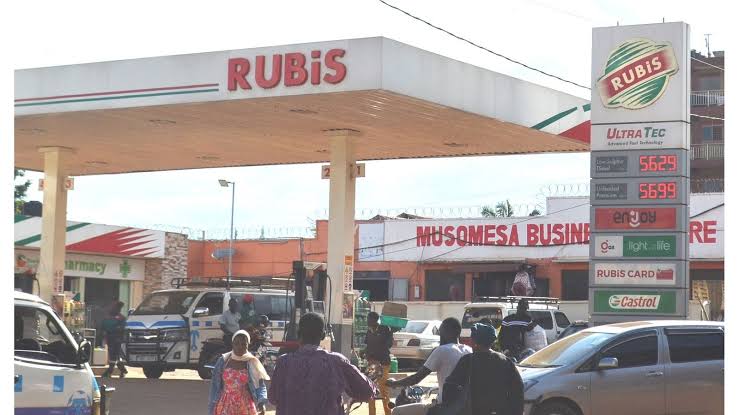
| Route / Region | Fuel Availability | Price vs. Kampala |
| Kampala & Entebbe | Excellent — Shell, Total, Vivo, Stabex, independents | Baseline (lowest) |
| Mbarara / Masaka corridor | Good — reliable major-brand stations | Slightly higher |
| Kasese / Queen Elizabeth NP | Moderate — fill up in Kasese town before the park | Noticeably higher |
| Fort Portal / Kibale | Good — decent town coverage | Moderate increase |
| Kisoro / Bwindi (south) | Limited — fewer stations, plan ahead | Highest on this list |
| Gulu / Murchison Falls (north) | Moderate — stations in Gulu and Masindi, sparse near the park | Higher, variable |
| Kidepo Valley NP (far northeast) | Very limited — fill up fully in Kitgum or Gulu | Significantly higher / carry reserve fuel |
Budgeting Fuel for a Self-Drive Trip
Once you know roughly what fuel costs and where it’s cheapest, the next step is turning that into a trip budget. Most self-drive 4x4s used on Uganda safaris — Land Cruisers, RAV4s, and similar SUVs — average somewhere between 8 and 12 litres per 100 km on a mix of tarmac and murram roads, with heavier vehicles and rough park tracks pushing consumption toward the higher end.
| Route Example | Approx. Distance | Est. Fuel Cost (2 pax, diesel 4×4) |
| Kampala → Murchison Falls (return) | ~650 km | $85 – $110 |
| Kampala → Queen Elizabeth NP (return) | ~800 km | $105 – $135 |
| Kampala → Bwindi (Buhoma, return) | ~940 km | $125 – $160 |
| Kampala → Kidepo Valley NP (return) | ~1,120 km | $150 – $195 |
| 10-day Uganda self-drive circuit | ~1,800 – 2,200 km | $260 – $360 |
These figures assume a mid-size diesel 4×4 with two passengers and normal road conditions; adjust upward for larger vehicles, rooftop tents (added wind resistance and weight), rougher park tracks, or multiple in-park game drives. Build in a buffer of at least 10–15% above your calculated estimate to cover detours, park loops, and price variation along the way.

| MONEY-SAVING TIPS FOR SELF-DRIVE FUEL BUDGETS
• Fill up in Kampala, Entebbe, or Mbarara before heading into remote regions — prices rise steadily the closer you get to park gates and borders. • Compare two or three stations if you’re in a town for a while; price differences of UGX 100–300 per litre between brands are common. • Track your vehicle’s actual consumption in the first 1–2 days and recalculate your route budget from real numbers rather than estimates. • Carry a card and cash — most major-brand stations accept cards, but smaller independents near parks are often cash-only. |
Where to Fill Up: Reliable Stations on Common Routes
For self-drive safety and reliability, stick to recognized brands wherever possible — Shell, Total Energies, Vivo Energy (Shell-branded), and Stabex are the most widely distributed and generally offer more consistent fuel quality than small independents.
- Kampala & Entebbe: dense coverage of all major brands — top up here before any long leg.
- Mbarara: reliable last major fuel hub before heading toward Bwindi, Lake Mburo, or the Rwanda border.
- Kasese: fill up here before entering Queen Elizabeth National Park — options inside and near the park are sparse and pricier.
- Masindi: the standard refueling stop before Murchison Falls National Park’s southern entrance.
- Gulu and Kitgum: essential last-fuel stops before the long, sparsely served run to Kidepo Valley National Park.
- Kabale: useful staging point for both Bwindi and Lake Bunyonyi routes.
Practical Fuel Tips for Self-Drive Travelers
Carry reserve fuel on remote routes
For Kidepo Valley, the remoter stretches of Bwindi’s southern sector, and any extended off-grid overlanding, carry at least one full jerry can (20 litres) of reserve fuel. Distances between reliable stations can exceed 150–200 km in these areas, and park roads consume more fuel than tarmac.
Confirm your rental vehicle’s fuel type
Most self-drive rental Land Cruisers and rooftop-tent overlanding vehicles in Uganda run on diesel, but always confirm with your rental company before your first fill-up — using the wrong fuel is a costly and avoidable mistake.
Fill up before, not after, entering national parks
Fuel stations inside or immediately adjacent to national parks are rare, and where they exist, prices run well above town rates. Treat the last major town before a park gate as your mandatory refueling point.
Watch for supply disruptions
Uganda occasionally experiences localized fuel shortages tied to import delays or global price spikes, which can cause queues or temporary stockouts at individual stations, particularly upcountry. If you’re travelling during a reported shortage, top up whenever you see a station with stock rather than waiting until your tank is low.
| SAFETY NOTE
• Never let your tank run below a quarter on rural or park routes — breakdowns and long waits for assistance are more likely in areas with sparse mobile network coverage. • Store reserve fuel in approved jerry cans, secured outside the passenger cabin where possible, and away from direct sun and cooking equipment at camp. • Confirm current park-route fuel availability with your rental company or lodge before departure, since station closures do happen without notice. |
Frequently Asked Questions
Is fuel cheaper in Kampala than upcountry?
Generally yes. Kampala and Entebbe have the highest station density and competition, which keeps prices at the lower end of the national range. Prices typically rise the further you travel toward park gates and border towns.
Does Uganda have fuel shortages?
Uganda has experienced periodic, localized fuel supply disruptions tied to import logistics and global oil price movements. These are usually short-lived and concentrated in specific towns rather than nationwide, but it’s worth checking current conditions before a long upcountry trip.
Should I budget in Ugandan shillings or US dollars?
Pump prices are quoted and paid in Ugandan shillings, so budget your fuel costs in UGX and convert to your home currency for reference. Card payment is common at major-brand stations in towns and cities; carry shillings in cash for smaller stations and rural areas.
How much fuel should I carry as a reserve?
For standard tarmac routes between major towns, your vehicle’s tank range is usually sufficient. For remote routes — Kidepo, southern Bwindi, or extended overlanding off the main circuit — carry at least one 20-litre jerry can as a buffer.
Final Thoughts
Fuel costs are one of the more manageable variables in a Uganda self-drive budget once you understand the pattern: prices are lowest in Kampala and major towns, climb steadily toward park gates and border regions, and can shift week to week with global oil markets and the exchange rate. Fill up strategically, carry a reserve on remote legs, and build a realistic buffer into your trip budget — and fuel will stay a predictable cost rather than a surprise one.