East Africa Self-drive Visa Guide 2026
East Africa Self-drive Visa Guide 2026, Visa Requirements, Costs, and Cross-Border Vehicle Documents for Uganda, Kenya, Rwanda, and Tanzania Road Trips
East Africa Self-drive Visa Guide 2026, Planning a self-drive safari across East Africa involves more than choosing a 4×4 and mapping a route. Before you ever reach a border post, you need the right visa in your passport and the right paperwork for your vehicle — and the two systems don’t always overlap the way travelers expect. A visa gets you across the border as a person; it does nothing for your rental car, which needs its own set of permits, insurance, and authorization letters to cross with you.

This guide breaks down exactly which visa to apply for, what it costs, how it works with a self-drive itinerary that crosses multiple countries, and which additional vehicle documents you’ll need alongside it. Whether you’re driving from Entebbe to the Maasai Mara, combining gorilla trekking in Uganda with Rwanda’s Volcanoes National Park, or planning a longer loop through Tanzania, this is the visa and documentation checklist to work through before you collect your keys.
Why Visa Planning Is Different for Self-Drive Travelers
Fly-in tourists on a fixed itinerary usually need just one visa for one country. Self-drive travelers are different: the whole appeal of a road trip is crossing borders under your own steam, which means your visa strategy has to match your route from day one — not get sorted out at the last border post.
- Your visa must cover every country your route touches, not just your point of entry.
- The East Africa Tourist Visa (EATV) only works if you apply through the correct portal — the country where you first land.
- A valid visa does not clear your vehicle through customs; that’s a separate temporary import process at every border.
- Some EAC countries (Tanzania, Burundi, South Sudan, DR Congo) sit outside the EATV and need their own visa entirely.
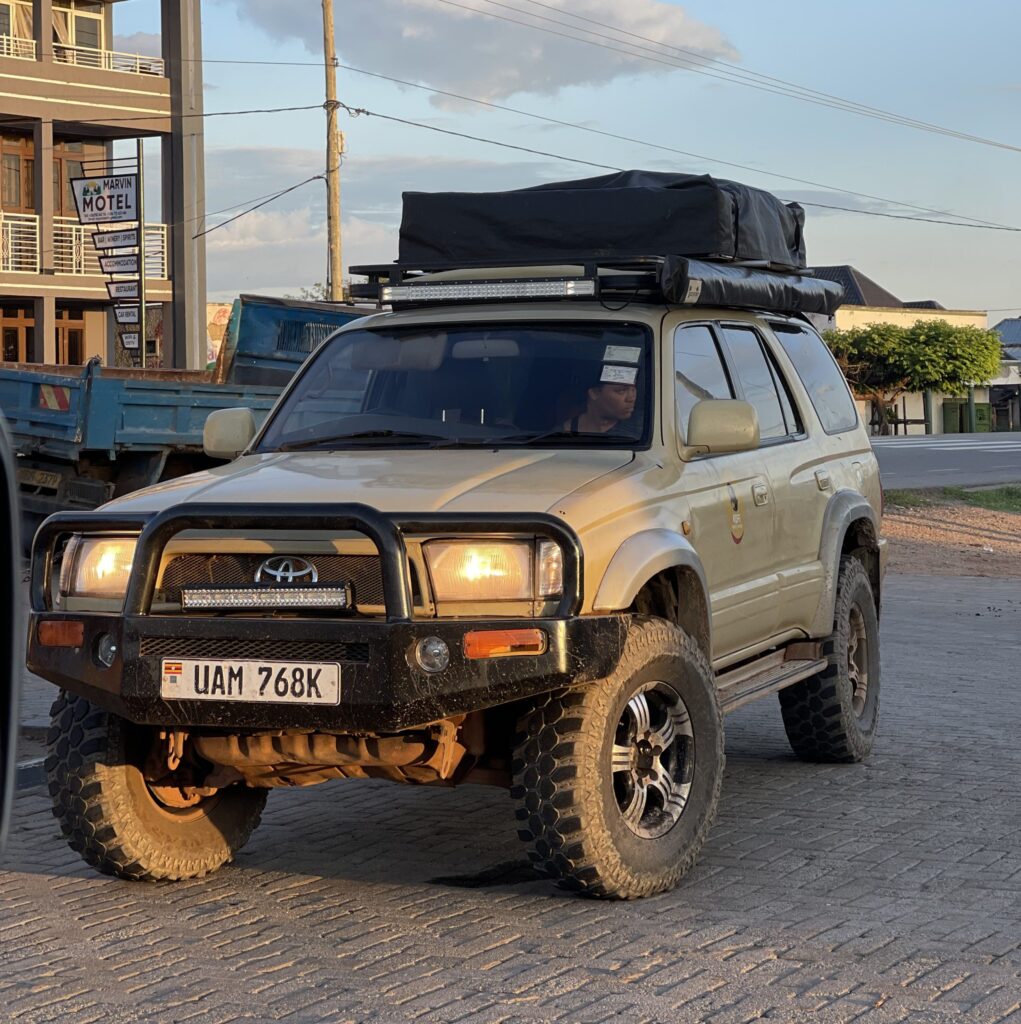
The East Africa Tourist Visa (EATV): The Core Document
The EATV is a joint, multiple-entry visa shared by Kenya, Uganda, and Rwanda, created specifically to make multi-country tourism easier. For most self-drive itineraries that stay within these three countries, it’s the only visa you need.
| Feature | Detail |
| Countries covered | Kenya, Uganda, Rwanda |
| Cost | USD 100 (single joint fee) |
| Validity | 90 days from first entry, multiple entries |
| Where to apply | The immigration portal of your first country of entry only |
| Not covered | Tanzania, Burundi, South Sudan, DR Congo |
The single rule that trips up the most travelers is the point-of-entry requirement: you must apply for the EATV through the immigration system of whichever country you land in first, and you must physically enter that country first. If your flight lands in Entebbe, apply through Uganda’s e-Visa portal — even if Kenya or Rwanda is the bigger part of your trip. Arriving in Uganda holding an EATV issued by Rwanda can result in denial of entry or being forced to buy a fresh single-country visa on the spot.
| Plan the visa around the route, not the other way around
Decide your first country of entry before you touch the EATV application. If your self-drive loop is Uganda → Rwanda → Kenya, apply through Uganda’s portal even if you’re flying via Nairobi to connect. Print your approval letter. Digital-only copies are not accepted at most land borders, and phone battery or signal issues are a common reason for delays. |
Country-by-Country Visa Breakdown
Uganda
Uganda runs almost entirely on its e-Visa system in 2026 — there is no visa-on-arrival option for most nationalities, so applications must be completed online before travel. Options relevant to self-drive travelers:
| Visa type | Cost | Validity |
| Tourist (single-entry) | USD 50 + $1.50 admin fee | Up to 90 days |
| East Africa Tourist Visa | USD 100 | 90 days, multiple entry (Uganda/Kenya/Rwanda) |
| Multiple-entry visa | USD 100–200 | 6–24 months, heavier documentation |
A yellow fever vaccination certificate must be uploaded with the application and is checked again on arrival. Approval letters are typically issued in 2–3 working days, but Uganda’s own guidance recommends applying at least 10 days ahead of travel, and the approval letter itself expires 90 days after issue — so don’t apply too far in advance either.

Kenya
Kenya has broadened its exemptions in recent years: citizens of East African Community member states and most African Union nationals no longer need an eTA. Other travelers apply for Kenya’s eTA online, or use the EATV if Kenya is part of a joint Uganda/Rwanda itinerary and is not the first country entered.
Rwanda
Rwanda offers visa-on-arrival to nearly all nationalities and participates fully in the EATV. Applications for the joint visa, when Rwanda is the first entry point, go through the Irembo portal.
Tanzania
Tanzania is not part of the EATV and requires its own separate eVisa or visa-on-arrival, depending on nationality. If your self-drive route includes a Tanzania leg — for example combining Serengeti or Ngorongoro with a Kenya or Uganda circuit — budget for this as an entirely separate visa application and fee.
Beyond the Visa: What Your Vehicle Needs at the Border
This is the part fly-in travelers never have to think about, and it’s where self-drive trips most often stall at the border. Your visa covers you as a passenger; it does not authorize a foreign-registered vehicle to enter another country. That requires a separate stack of paperwork, arranged partly in advance and partly at the border itself.
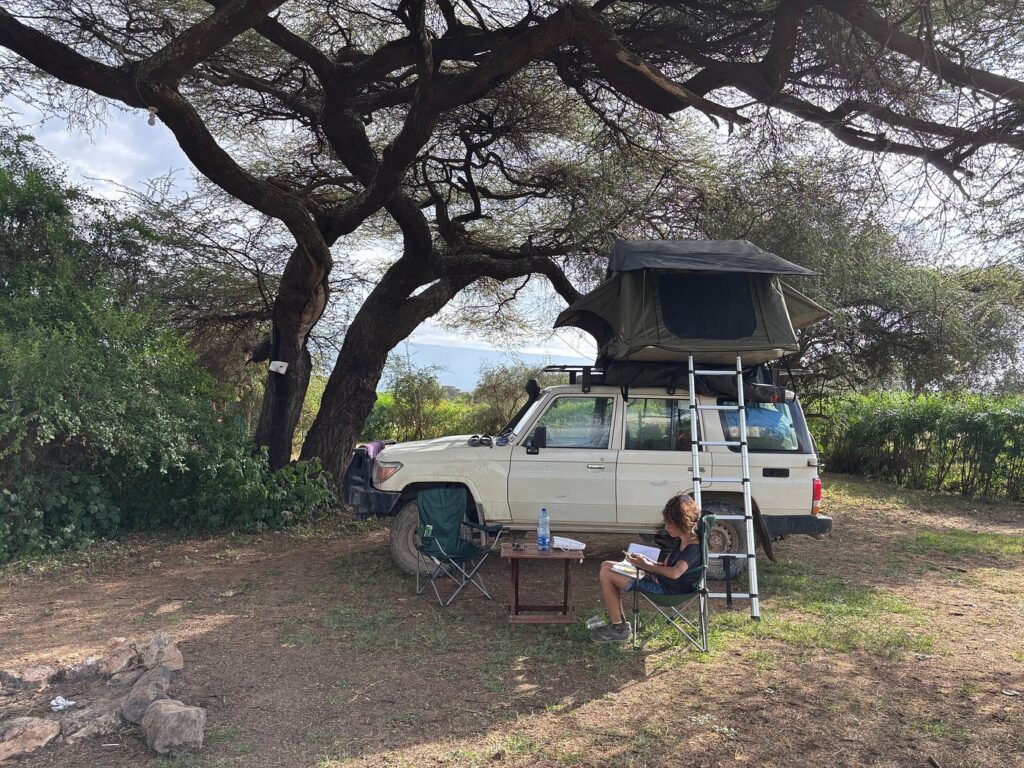
| Document | Purpose | Arranged |
| COMESA Yellow Card | Third-party motor insurance valid across Kenya, Uganda, Tanzania, Rwanda, DRC, and Burundi | In advance, via rental company |
| Temporary Import Permit (TIP) | Customs clearance allowing a foreign-registered vehicle to enter temporarily, typically 14–30 days | At the border, on the spot |
| Letter of Authority | Signed authorization from the vehicle owner naming you as approved driver and confirming export approval | In advance, from rental company |
| Vehicle registration (log book) | Confirms ownership and vehicle details for customs and police checks | Carried at all times |
| Driver’s license + IDP | National license, ideally paired with an International Driving Permit | In advance |
| Yellow fever certificate | Checked alongside visa documents at every border post | Before departure |
Two of these — the COMESA Yellow Card and the Letter of Authority — cannot be obtained at the border. They must be arranged with your rental company before you set off, which is one reason it pays to book with an operator experienced in cross-border self-drive rather than a purely domestic rental firm. The Temporary Import Permit, by contrast, is issued at the border itself alongside customs clearance and is usually free for short stays, though it must be surrendered or renewed if your visit runs longer.
| Free entry window for vehicles
Within the East African Community, vehicles typically get a short free entry window (around 7 days) before a temporary license fee, roughly USD 20 per month, applies. Long self-drive loops that linger in one country should factor this into the budget. |
Step-by-Step: Applying for Your Visa and Vehicle Documents
A practical order of operations for a multi-country self-drive trip:
- Fix your route and confirm your first country of entry — this determines which EATV portal you use.
- Apply for the EATV (or the relevant single-country visas) 10–14 days before departure, uploading your yellow fever certificate.
- Confirm with your rental company that the COMESA Yellow Card and Letter of Authority will be ready before pickup.
- Print all approval letters, insurance stickers, and the Letter of Authority — do not rely on phone copies at land borders.
- At each border, present passport and visa first, then proceed to the customs desk for the vehicle’s Temporary Import Permit.
- Keep every stamped document; you’ll need to present the same paperwork again on exit.
Common Mistakes That Delay Self-Drive Travelers at the Border
| Avoid these
Applying for the EATV through the wrong country’s portal — this is the single most common denial reason. Assuming a visa covers the vehicle. It doesn’t; you still need the COMESA Yellow Card and Temporary Import Permit. Traveling without a printed Letter of Authority when the rental car isn’t registered in your name. Letting the visa approval letter lapse — it typically expires 90 days after issue, regardless of your travel dates. Skipping Tanzania’s separate visa because it ‘felt covered’ by the East Africa Tourist Visa — it is not. |
Frequently Asked Questions
Can I use the East Africa Tourist Visa for a Tanzania self-drive leg?
No. Tanzania is not part of the EATV. You’ll need a separate Tanzania visa or eVisa in addition to whichever visa covers your Uganda, Kenya, or Rwanda legs.
Does the COMESA Yellow Card replace the Temporary Import Permit?
No. The Yellow Card is insurance; the TIP is a customs document. Both are required, and they serve different purposes at the border.
Is an International Driving Permit compulsory?
Requirements vary by country and by border post, but carrying an IDP alongside your national license is strongly recommended and occasionally checked, particularly for travelers whose license isn’t in English.
What happens if my EATV approval letter expires before I travel?
You’ll need to reapply. The approval letter is valid for 90 days from issue, independent of the visa’s own 90-day validity once you enter — so timing the application close to your travel dates matters.
Final Word
A self-drive safari across East Africa rewards travelers who treat documentation as part of the route planning, not an afterthought. Lock in your first country of entry, apply for the correct visa well ahead of time, and confirm your rental company is handling the COMESA Yellow Card and Letter of Authority before you collect the keys. Get the paperwork right, and the borders become a formality — a stamp, a quick customs check, and back on the road toward the next park gate.